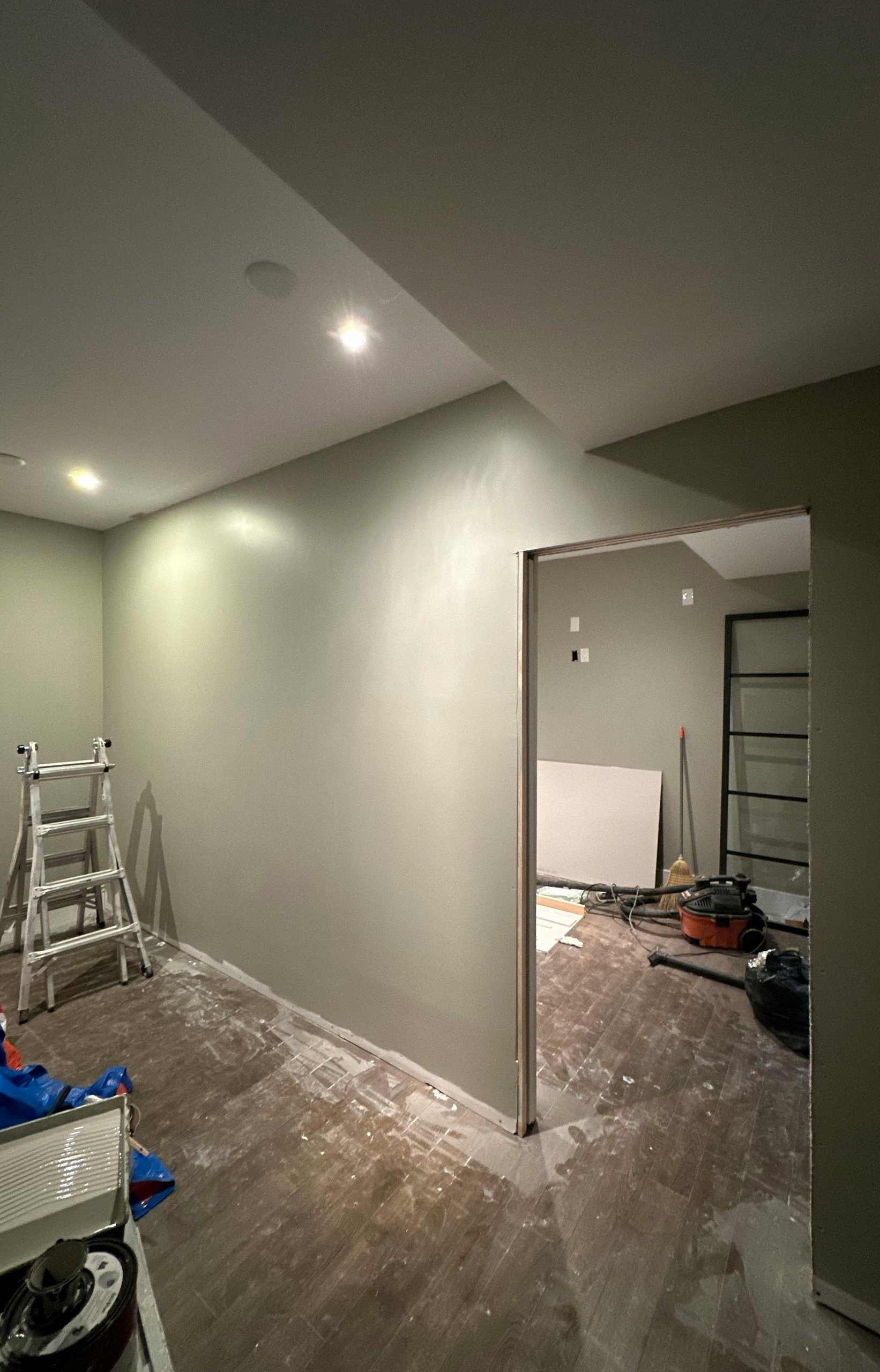
Electrical Planning for Home Renovations
Home renovations often focus on visible improvements such as new flooring, updated kitchens, or expanded living spaces. While these upgrades can dramatically improve the appearance and functionality of a home, one important element is sometimes overlooked during the planning process: the electrical system. Renovations frequently change how a space is used, which means the electrical infrastructure must be able to support new appliances, lighting, and technology.
Proper electrical planning is an essential part of any successful renovation project. Working with a qualified electrician during the early stages of a renovation can help ensure that the finished space is safe, efficient, and capable of supporting modern electrical demands.
Why Electrical Planning Matters
Many homes were built at a time when electrical demands were much lower than they are today. Modern households rely on numerous devices, including computers, televisions, smart home systems, kitchen appliances, and charging stations for mobile devices. Renovation projects often introduce even more equipment that requires reliable power.
Without proper planning, homeowners may find that their electrical system cannot handle the increased load. This can result in tripped breakers, overloaded circuits, or safety risks. Addressing these issues during the renovation phase allows electricians to design solutions that meet the needs of the updated space.
Kitchen Renovations and Electrical Needs
Kitchen remodels are among the most common home renovation projects, and they often require significant electrical planning. Modern kitchens typically include a wide range of appliances such as refrigerators, dishwashers, microwaves, ovens, and small countertop appliances.
Each of these devices requires sufficient power and, in many cases, dedicated circuits. Electrical codes also require certain safety features, including ground fault circuit interrupter outlets in areas where water is present.
During a renovation, electricians can evaluate the kitchen layout and install circuits that safely support the new appliances while maintaining proper code compliance.
Expanding Living Spaces
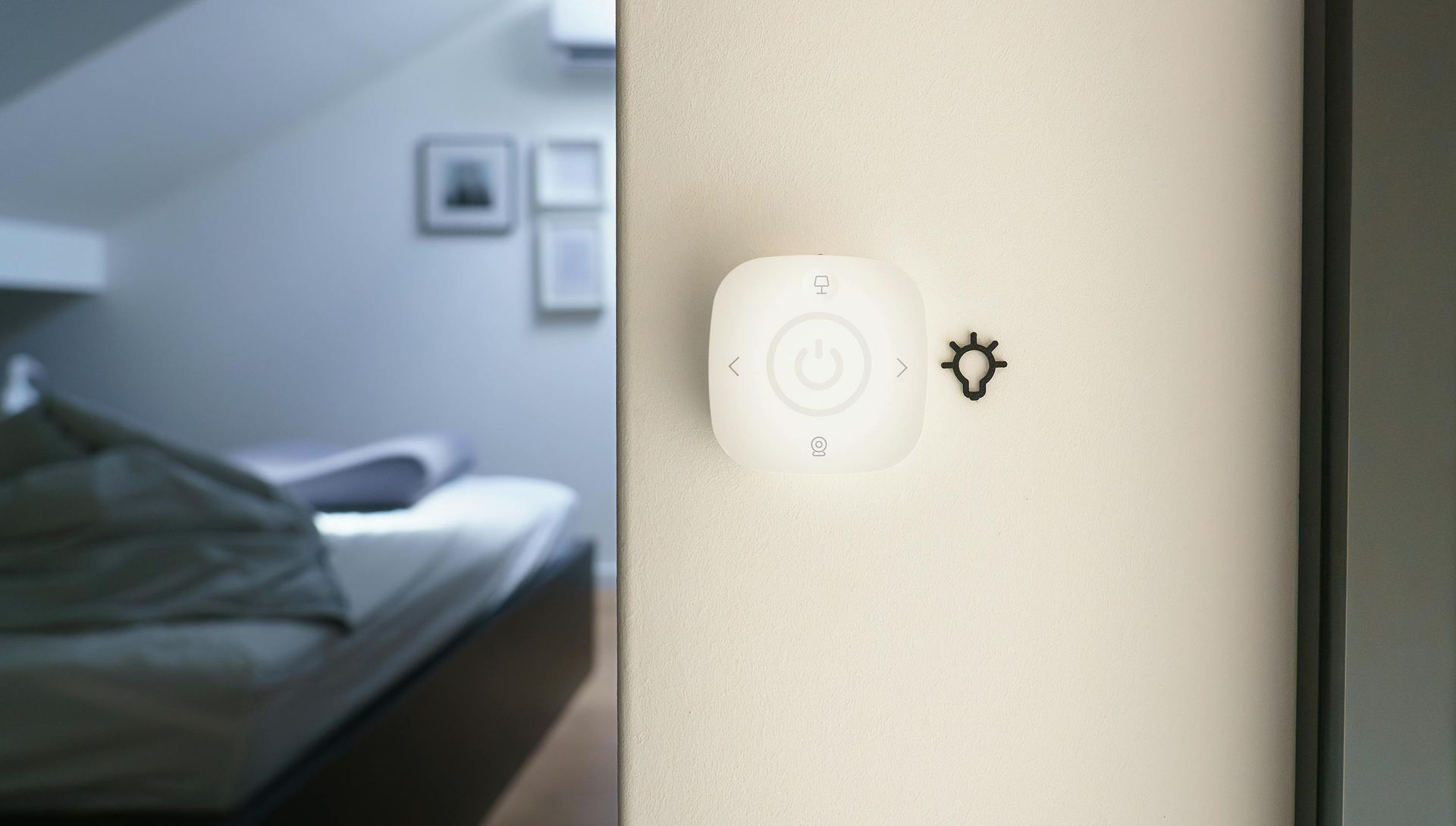
Home additions and finished basements can significantly increase the electrical demands of a property. New living areas require lighting, outlets, and sometimes specialized equipment such as entertainment systems or home office setups.
Planning the electrical layout early in the renovation process helps ensure that outlets are placed conveniently and that lighting supports how the space will actually be used. Electricians can also recommend energy-efficient lighting solutions that enhance both comfort and efficiency.
By designing the electrical system with the finished space in mind, homeowners can avoid the inconvenience of insufficient outlets or poorly placed lighting.
Supporting Modern Technology
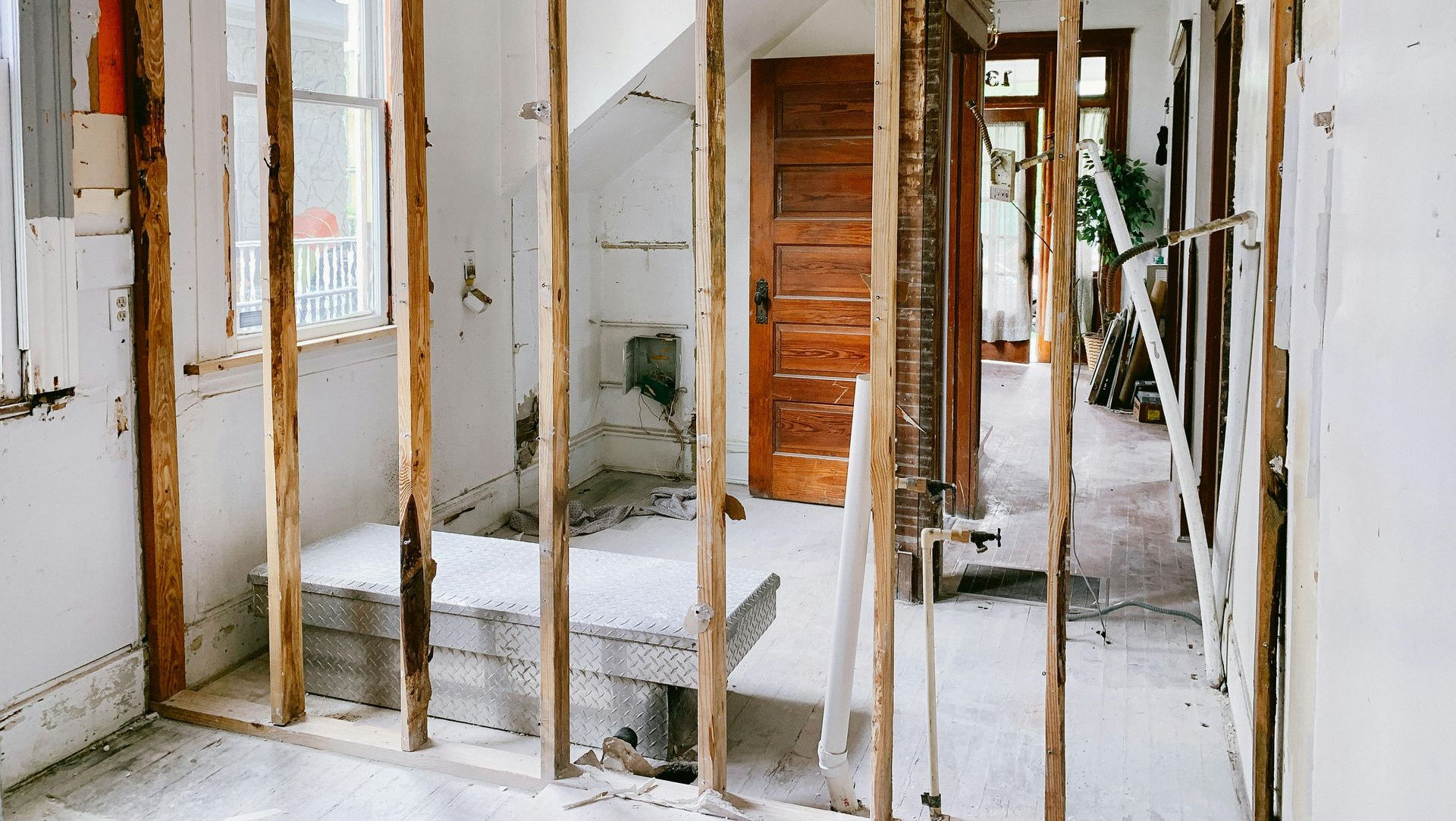
Modern homes rely heavily on technology. Renovations provide an opportunity to prepare electrical systems for smart home devices, security systems, and high-speed networking equipment.
Smart lighting systems, automated blinds, video doorbells, and other connected devices all depend on stable electrical infrastructure. Electricians can install wiring, outlets, and control systems that allow these technologies to function properly.
Planning for these systems during renovations makes installation easier and helps future-proof the home for emerging technologies.

Panel Capacity and Electrical Upgrades
In some cases, renovations require upgrades to the home’s electrical panel. The panel is responsible for distributing electricity throughout the home, and older panels may not have the capacity to support additional circuits.
If a renovation introduces new appliances, HVAC systems, or charging equipment, the electrical panel may need to be expanded or replaced. Addressing this issue during the renovation process ensures the home’s electrical system remains safe and reliable.
An electrician can perform load calculations to determine whether the existing panel is sufficient or if an upgrade is necessary.
Lighting Design and Efficiency
Lighting plays a major role in how renovated spaces look and function. Renovations provide an opportunity to upgrade outdated lighting fixtures and incorporate modern solutions such as recessed lighting, LED fixtures, and under-cabinet lighting.
Energy-efficient lighting not only improves visibility but also reduces energy consumption over time. Thoughtful lighting design can transform the atmosphere of a room while supporting everyday activities.
Electricians help ensure that lighting systems are installed safely and positioned effectively within the space.
Working with a Professional Electrician
Electrical planning should be an integral part of any renovation project. Professional electricians understand building codes, safety standards, and the technical requirements needed to support modern electrical systems.
At Lunar Electric, we help homeowners design and install electrical systems that support their renovation goals. Whether the project involves upgrading a kitchen, expanding living space, or modernizing an older home, our team works to ensure that electrical systems are safe, reliable, and prepared for the future.
Thoughtful electrical planning allows renovation projects to achieve their full potential. By addressing electrical needs early, homeowners can enjoy updated spaces that are not only beautiful but also functional and dependable for years to come.