Generator Installation: Reliable Backup Power for Your Home
Keep Your Home Running
Power outages can happen at any time. Severe storms, fallen trees, damaged power lines, and equipment failures can all interrupt electricity to homes and businesses. While some outages are brief, others can last for many hours or even days. When power is lost, everyday necessities such as refrigeration, lighting, heating, and internet access can quickly become unavailable.
One of the most effective ways homeowners can protect themselves from these disruptions is by installing a
backup generator. A professionally installed generator provides reliable power during outages and allows essential systems in the home to continue operating. Lunar Electric provides generator installation services designed to help homeowners maintain dependable power when the electrical grid goes down.

What Is a Backup Generator?
A backup generator is a device that produces electricity when utility power is unavailable. Instead of relying on the electrical grid, the generator creates its own power supply that can be used to run appliances and electrical systems inside the home.
Generators can power many important household systems, including:
- Refrigerators and freezers
- Heating and cooling systems
- Lights and outlets
- Security systems
- Sump pumps
- Internet equipment
- Medical devices
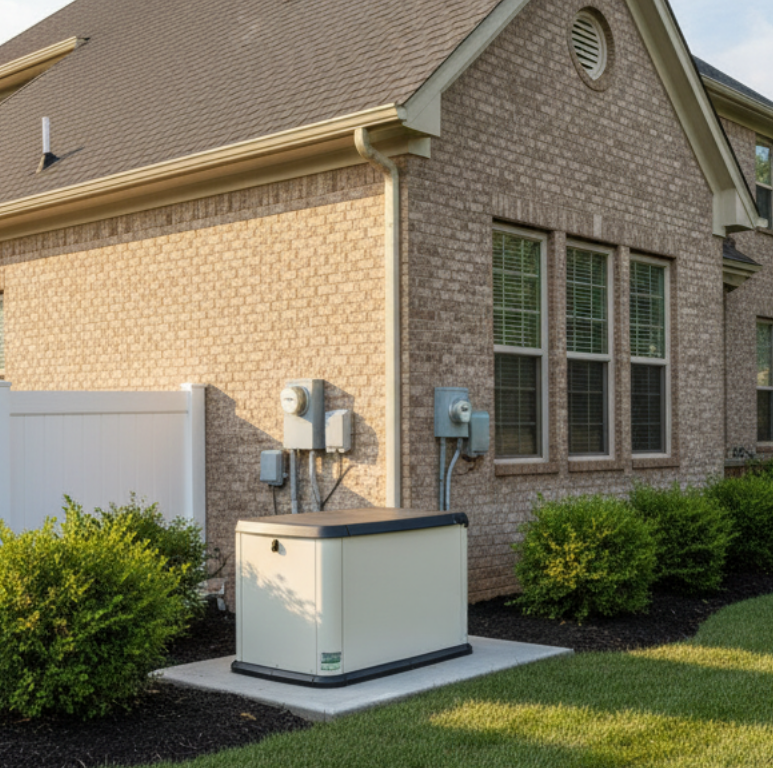
Depending on the size of the generator, homeowners can power either essential circuits or the entire house. Many modern generators are installed as permanent standby systems that activate automatically when an outage occurs.
How Generators Work
Most residential generators operate using an internal combustion engine powered by natural gas or propane. When the generator starts, the engine spins an alternator, which converts mechanical energy into electrical energy.
A key component of the system is the automatic transfer switch. This device monitors the incoming utility power to the home. If the transfer switch detects that power has been lost, it automatically signals the generator to start.
Within seconds, the generator begins supplying electricity to the home. When utility power returns, the transfer switch reconnects the house to the electrical grid and shuts down the generator. This entire process happens automatically, allowing homeowners to maintain power without manually starting equipment.
Why Homeowners Benefit from Backup Generators
Backup generators provide several practical benefits for homeowners, especially during extended outages.
Protecting food and appliances
Refrigerators and freezers stop working during an outage, which can lead to spoiled food and wasted groceries. A generator keeps these appliances running normally.
Maintaining comfort and safety
Heating systems, air conditioning, and lighting continue functioning when a generator is installed. This is especially important during extreme heat or cold.
Preventing water damage
Homes with sump pumps rely on electricity to prevent basement flooding. A generator ensures these systems continue operating during heavy storms.
Supporting work and communication
Many households depend on reliable internet access for remote work, communication, and home security systems. Backup power keeps these systems online.
Providing peace of mind
Knowing that your home will remain powered during an outage can reduce stress and help families feel prepared for unexpected disruptions.
Why Professional Installation Matters
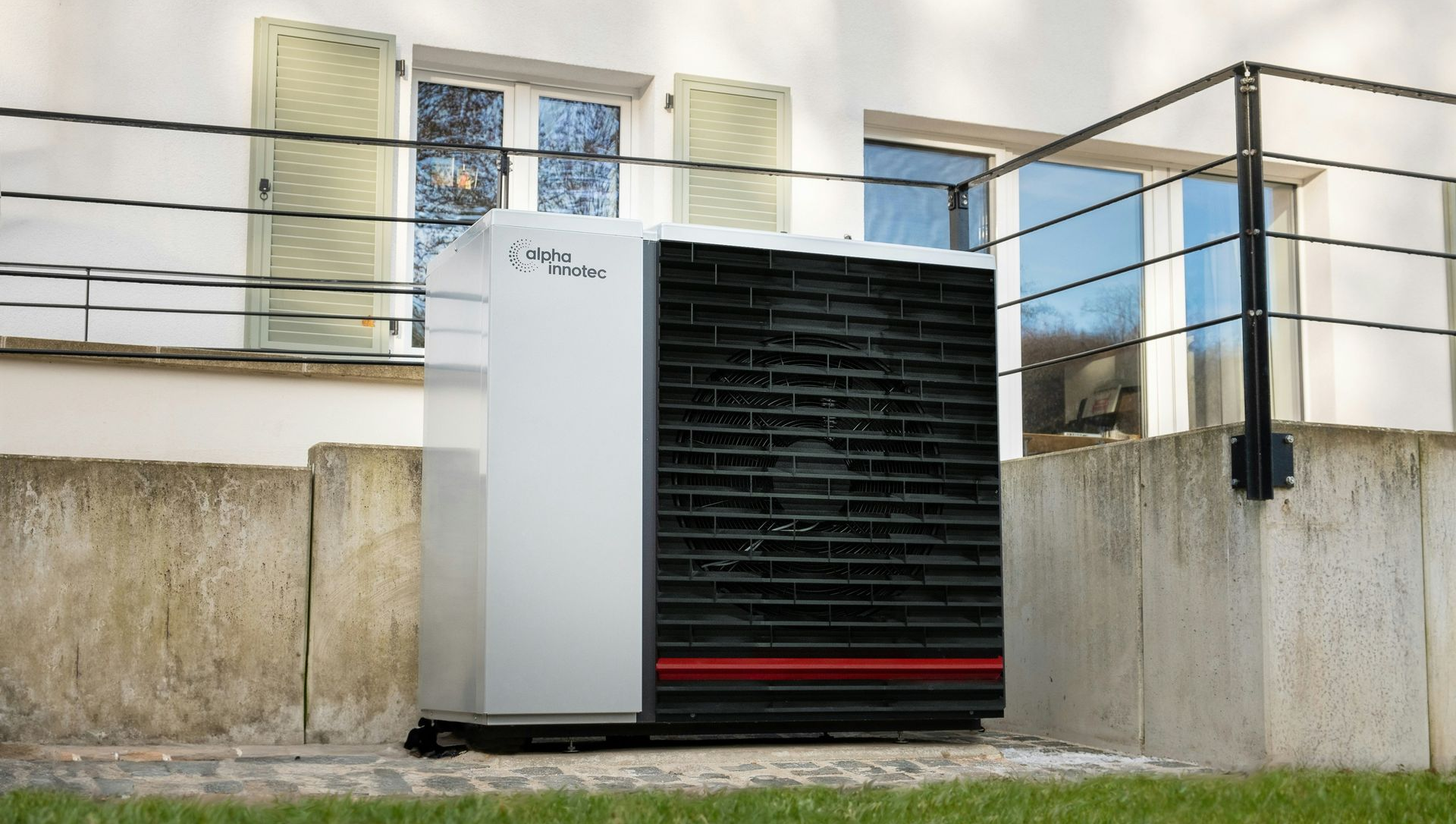
Generators must be installed according to electrical codes and manufacturer guidelines. Improper installation can lead to safety hazards, equipment damage, or unreliable performance.
Professional electricians ensure that the generator, transfer switch, wiring, and fuel connections are installed correctly. Proper installation also ensures that the system operates safely and efficiently during an emergency.
Get Started with Lunar Electric
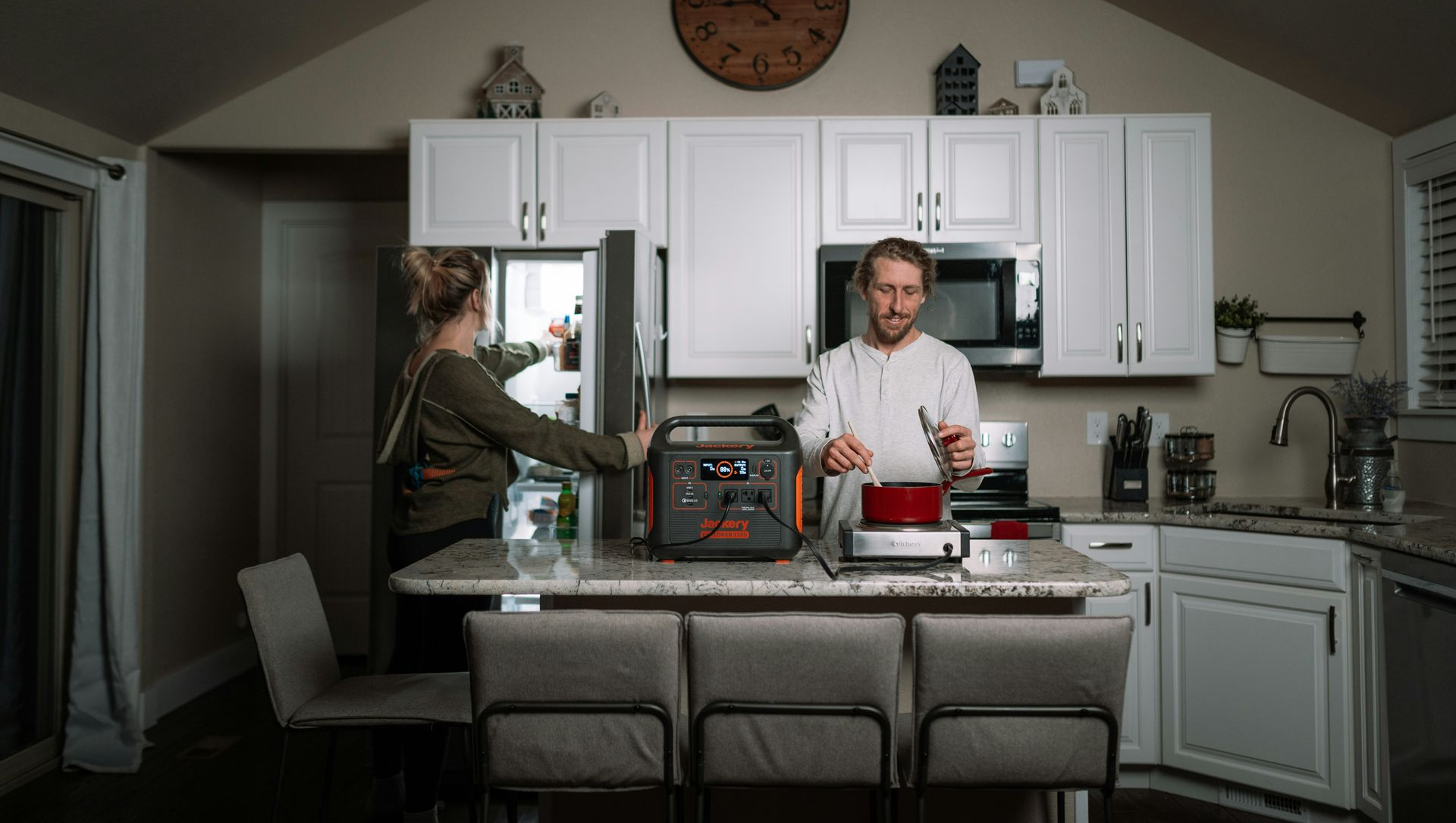
A backup generator can protect your home from the inconvenience and risks associated with power outages. With a professionally installed generator, important systems continue operating and daily life can continue with minimal disruption.
Lunar Electric provides professional generator installation services designed to help homeowners prepare for unexpected outages. Their experienced electricians can evaluate your home’s electrical needs, recommend the right generator system, and complete a safe and reliable installation.
If you are considering installing a backup generator, contact Lunar Electric today to learn how dependable backup power can help protect your home and provide peace of mind.