Is Your Home Ready for Electrification? What to Know Before Switching From Gas to Electric
Prepare for the Transition
Across the country, more homeowners are considering electrification. Whether motivated by efficiency, environmental considerations, or long-term energy independence, the shift from gas-powered systems to electric appliances is becoming more common. However, electrification involves more than simply replacing equipment. A successful transition requires careful evaluation of your home’s electrical infrastructure.
At Lunar Electric, we help homeowners assess whether their properties are prepared for increased electrical demand and what upgrades may be necessary before making the switch.

What Does Home Electrification Mean?
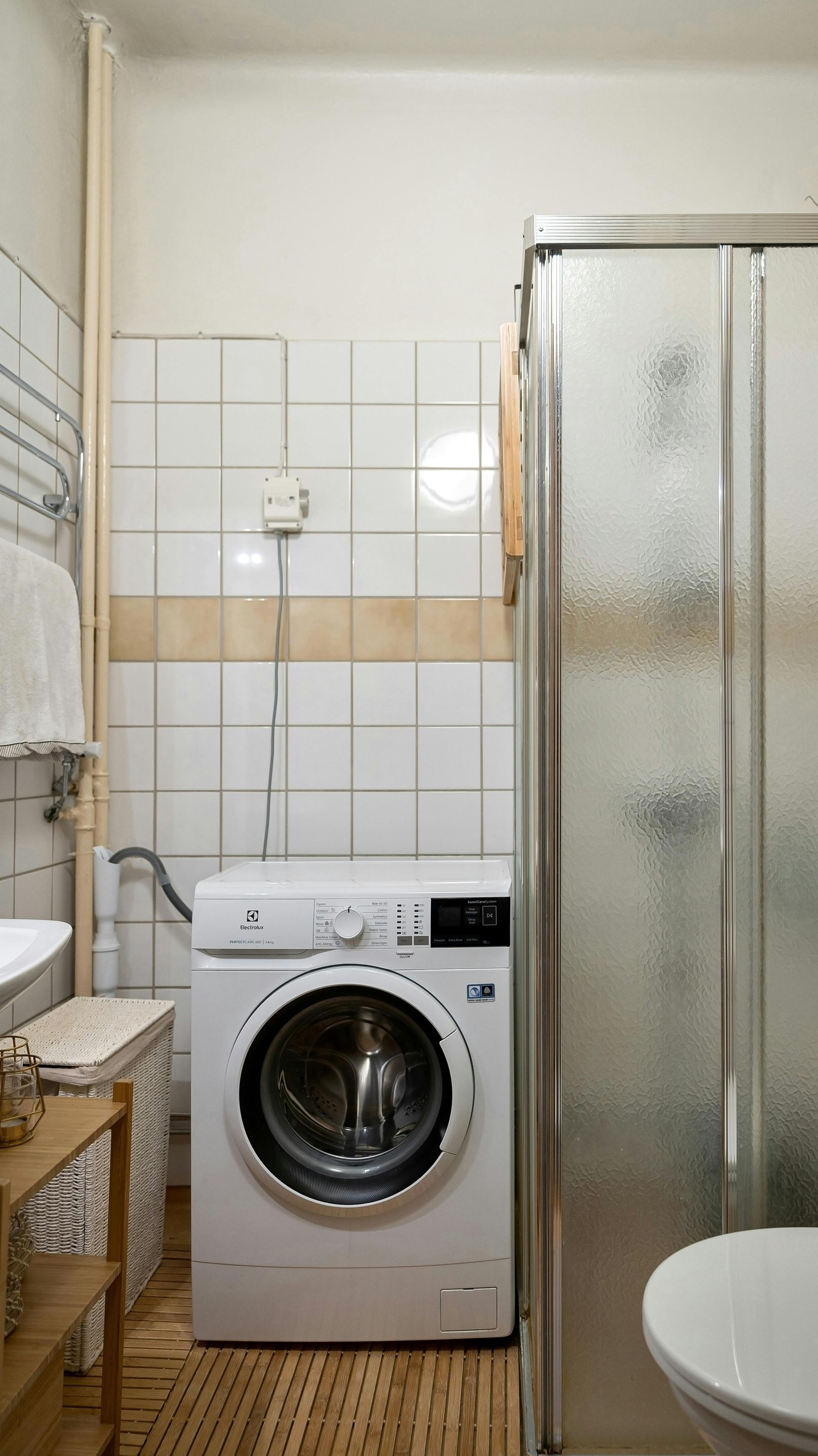
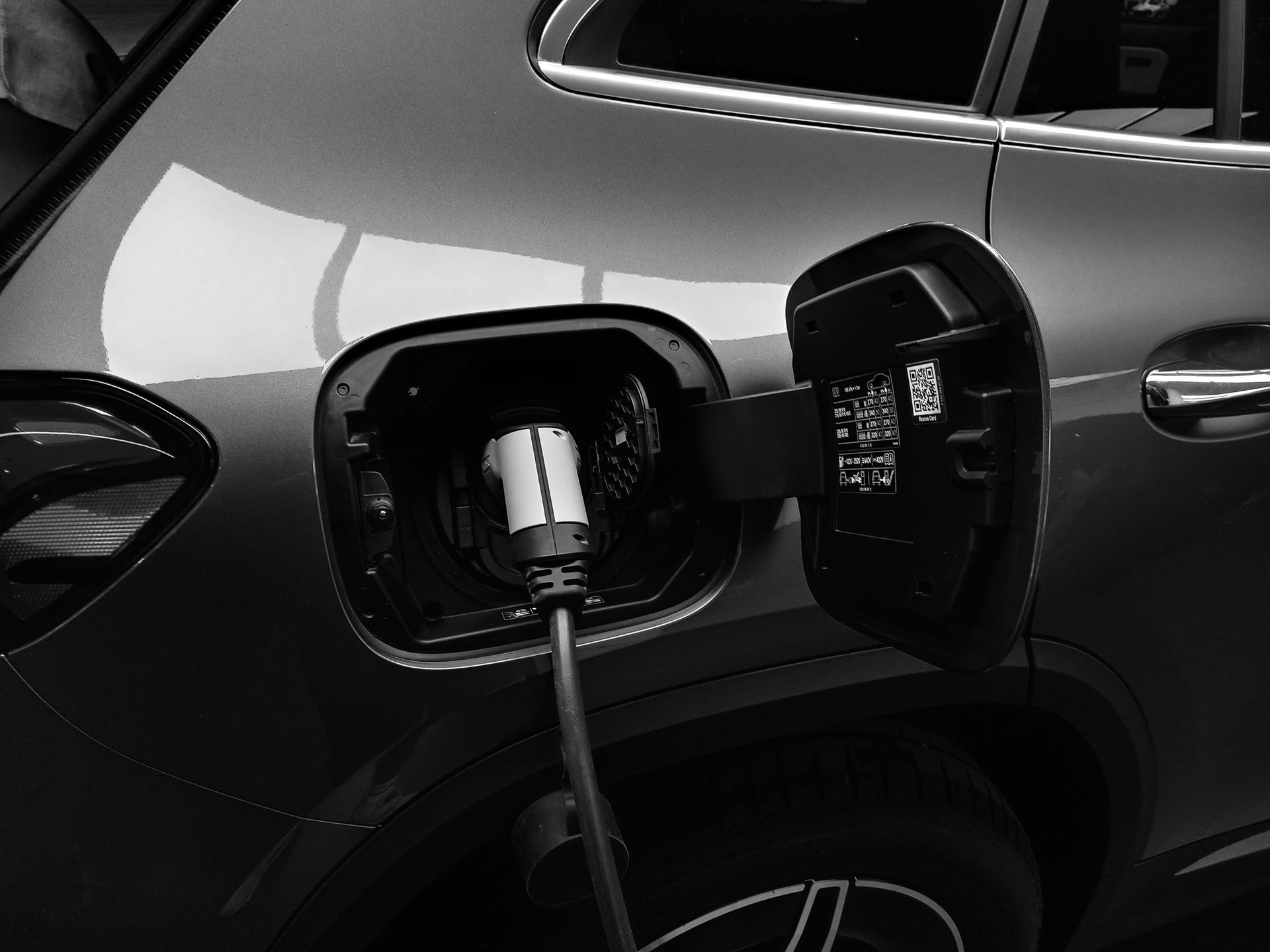
Home electrification typically involves replacing gas-powered systems such as furnaces, water heaters, stoves, and dryers with electric alternatives. It may also include installing electric vehicle chargers, battery storage systems, or solar integration.
While electric appliances can offer efficiency and reduced on-site emissions, they often require substantial power. Heat pump systems, electric ranges, and high-capacity water heaters can significantly increase a home’s electrical load.
Before
making the transition, it is essential to determine whether your current electrical panel and service capacity can safely support these changes.

Evaluating Your Electrical Panel
The electrical panel is the central distribution point for your home’s power. Older homes may have panels rated at 100 amps or less, which may not be sufficient for modern electrification projects. Many updated homes operate with 200-amp service, but even that may require review depending on total demand.
A professional load calculation assesses how much electricity your home currently uses and how much additional capacity new appliances will require. If your panel is already near its limit, adding multiple electric systems could lead to overloaded circuits, frequent breaker trips, or safety risks.
In some cases, a panel upgrade or service upgrade from the utility provider may be necessary before electrification can proceed.

The Importance of Dedicated Circuits
Many electric appliances require dedicated circuits to operate safely and efficiently. Heat pumps, electric ovens, induction cooktops, and EV chargers typically draw significant amperage. Installing dedicated circuits ensures that these devices receive adequate power without affecting other areas of the home.
Failing to plan for proper circuit allocation can result in voltage drops or nuisance tripping. Careful system design helps prevent these issues.
Considering Future Growth
Electrification is often not a single change but a series of upgrades over time. A homeowner may begin with a heat pump installation and later add an EV charger or battery storage system. Planning for future growth during initial upgrades can reduce long-term costs.
For example, installing a higher-capacity panel now may prevent the need for another upgrade later. Taking a forward-looking approach helps ensure that your electrical system remains adaptable.

Preparing for Solar and Battery Integration
Electrification often pairs with renewable energy investments. If you plan to add solar panels or battery storage, your electrical system must accommodate bidirectional power flow and load management. This may involve updated breakers, transfer switches, or smart panel integration.
Battery systems such as Tesla Powerwall installations require professional coordination to ensure safe operation and seamless backup functionality. Proper installation ensures that essential circuits remain powered during outages.
Safety and Code Compliance
Electrical upgrades must comply with local building codes and safety standards. Permitting and inspections protect homeowners and ensure that systems are installed correctly.
Working with a licensed electrical contractor provides assurance that load calculations, wiring, grounding, and panel configuration meet regulatory requirements. Improper installations can create hazards and may complicate future resale or insurance coverage.

Planning for a Smooth Transition
Electrification can offer meaningful benefits, including reduced reliance on fossil fuels and improved energy efficiency. However, preparation is critical. Evaluating your current system, calculating load requirements, and planning for future expansion help prevent costly setbacks.
At Lunar Electric, we specialize in assessing homes for electrification readiness. From panel upgrades to EV charger installations and battery integration, our team ensures that each component works safely and efficiently within your home’s electrical framework.
Transitioning from gas to electric is not simply an appliance swap. It is a comprehensive electrical upgrade that requires thoughtful planning. With proper assessment and professional installation, electrification can become a practical and reliable step toward modern energy independence.