Level 1 and Level 2 EV Charging: What You Should Know
Choosing the Right Setup
As electric vehicles become more common, many homeowners are asking the same question: what kind of charging setup makes the most sense for my home? Understanding the difference between Level 1 and Level 2 EV charging stations is the first step toward making a smart, future-ready decision.
At Lunar Electric, we help homeowners evaluate their electrical systems and install charging solutions that are safe, efficient, and tailored to their needs. Below is a clear breakdown of how Level 1 and Level 2 charging differ, how they work, and who benefits most from each option.

What Is Level 1 EV Charging?
Level 1 charging is the most basic method of charging an electric vehicle. It uses a standard 120-volt household outlet, the same type of outlet found in most living spaces. Most electric vehicles come with a Level 1 charging cord that plugs directly into a standard receptacle.
Because it operates on 120 volts, Level 1 charging delivers a relatively low amount of power. On average, it provides about 3 to 5 miles of driving range per hour of charging. For many drivers, that means overnight charging may provide 30 to 50 miles of range.
Level 1 charging works well in certain situations. It can be suitable for:
- Drivers with short daily commutes
- Households with plug-in hybrid vehicles
- Individuals who drive infrequently
- Temporary charging needs
However, Level 1 charging is slower by design. For drivers who travel longer distances each day or need faster turnaround times, this option can feel limiting.
What Is Level 2 EV Charging?
Level 2 charging operates on 240 volts, similar to the power used by electric dryers or ovens. This higher voltage allows for significantly faster charging speeds. Depending on the vehicle and charger capacity, Level 2 systems can add approximately 20 to 60 miles of range per hour.
Unlike Level 1 charging, Level 2 systems typically require professional installation. They may involve:
- Installing a dedicated 240-volt circuit
- Upgrading the electrical panel if necessary
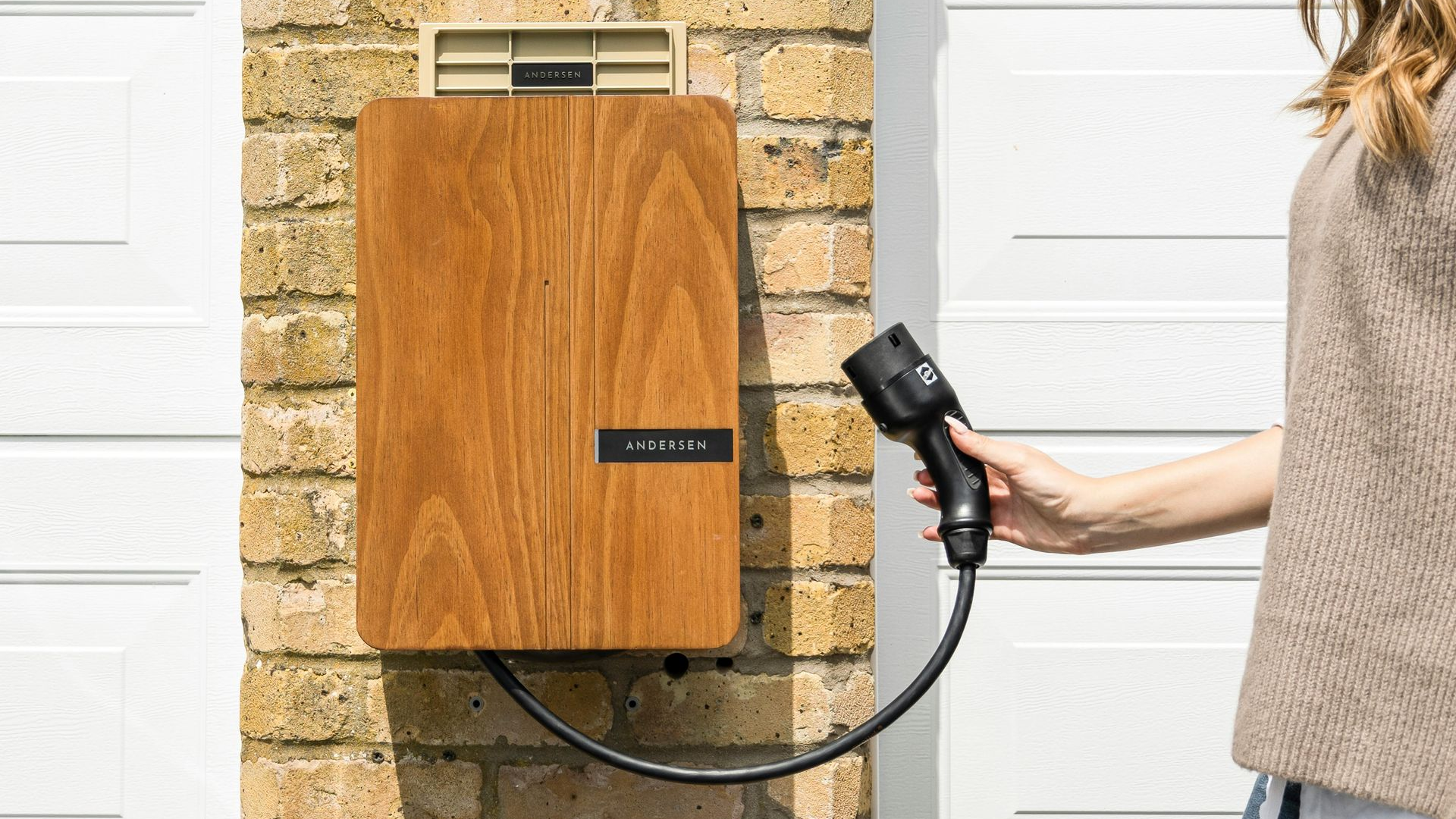
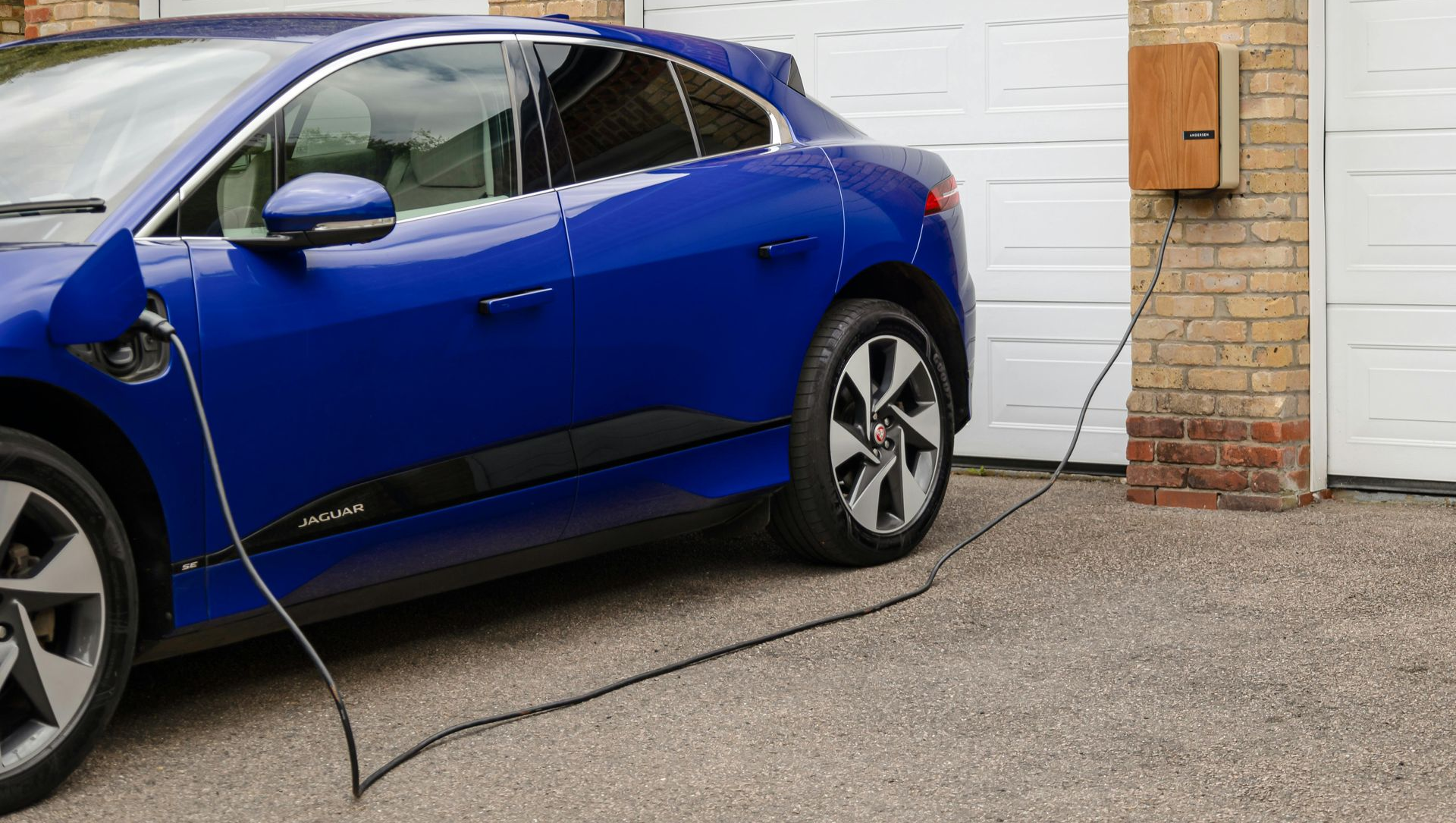
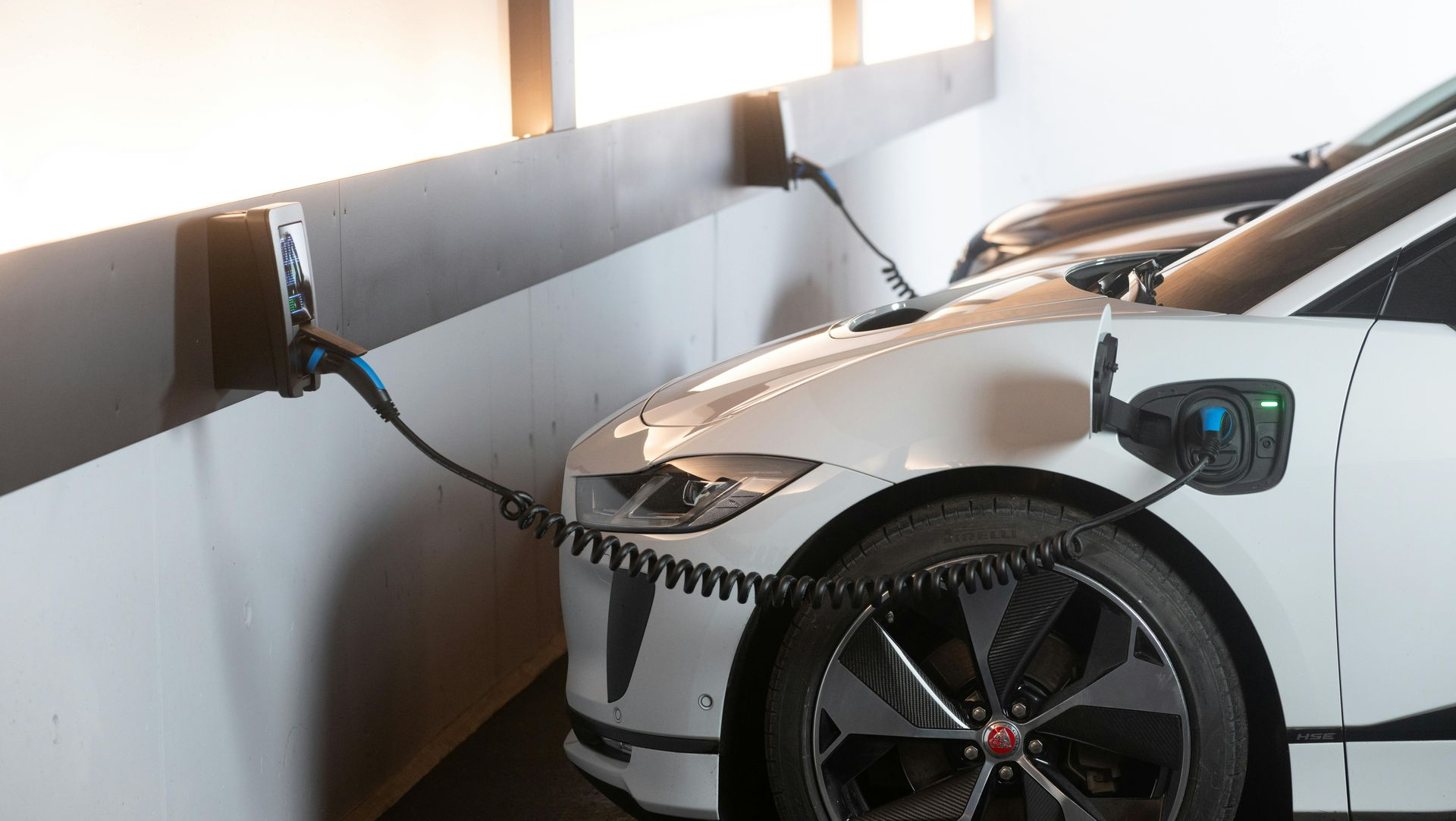
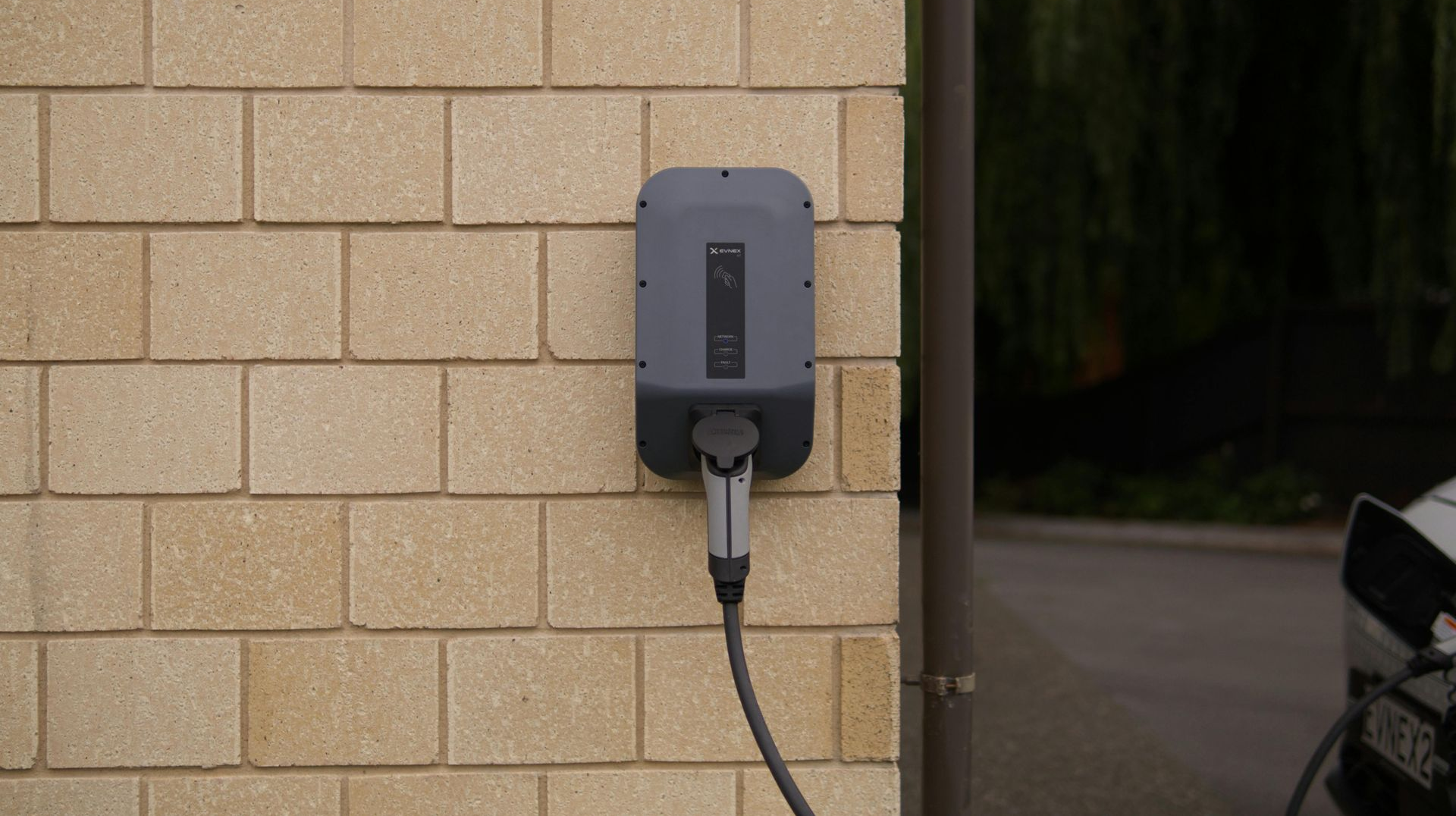
- Adding a hardwired or wall-mounted charging station
- Performing load calculations to ensure system safety
Level 2 charging dramatically
reduces charging time. In many cases, a vehicle can recharge fully overnight, even after a long commute.
How They Work
Both Level 1 and Level 2 chargers deliver alternating current from your home’s electrical system to the vehicle. The vehicle’s onboard charger then converts that power into direct current to charge the battery.
The key difference lies in voltage and amperage. Level 1 uses standard household voltage and lower amperage, resulting in slower charging. Level 2 uses higher voltage and typically higher amperage, allowing more electricity to flow safely to the vehicle in a shorter period of time.
Because Level 2 systems draw more power, proper installation is critical. Electrical panels must have sufficient capacity, and wiring must meet code requirements to ensure safe operation.
Which Option Is Right for You?
The right choice depends largely on driving habits and household needs.
Level 1 may be sufficient if:
- Your commute is under 30 miles per day
- You have ample overnight charging time
- You own a plug-in hybrid rather than a fully electric vehicle
- You want a simple, no-installation solution
Level 2 may be the better option if:
- You drive long distances regularly
- You own a fully electric vehicle
- You want faster, more convenient charging
- Your household has multiple EVs
- You are planning for future vehicle upgrades
Many homeowners initially rely on Level 1 charging but later upgrade to Level 2 for convenience and flexibility. As EV adoption grows, installing a Level 2 charger can also increase property appeal and resale value.
Why Professional Installation Matters
Installing a Level 2 charging station involves more than mounting equipment on a wall. Electrical load calculations, proper breaker sizing, panel capacity assessments, and code compliance are essential for safe and reliable performance.
At Lunar Electric, we evaluate your existing electrical infrastructure to determine whether your panel can support a 240-volt circuit. If necessary, we can recommend upgrades that prepare your home not only for EV charging but also for future electrical demands.
Planning for the Future
Electric vehicles are not a passing trend. As more drivers transition to EVs, home charging becomes a long-term investment. Choosing the right charging level ensures your vehicle remains convenient and practical to own.
Level 1 charging offers simplicity. Level 2 charging offers speed and scalability. Understanding the difference allows you to make an informed decision that aligns with your lifestyle and energy needs.
If you are considering EV charger installation, Lunar Electric can help you determine the safest and most efficient solution for your home.