Understanding Sub Panel Installation and Who Can Benefit From It
Expanding Electrical Capacity Without a Full Service Upgrade
As homes and commercial spaces continue to add new appliances, technology, and electrical demands, many electrical systems are asked to do more than they were originally designed to handle. One solution that can support growing electrical needs without replacing an entire service panel is the installation of a sub panel.
Sub panel installation is a common and practical electrical upgrade that helps improve capacity, organization, and safety when additional circuits are required.
What Is an Electrical Sub Panel
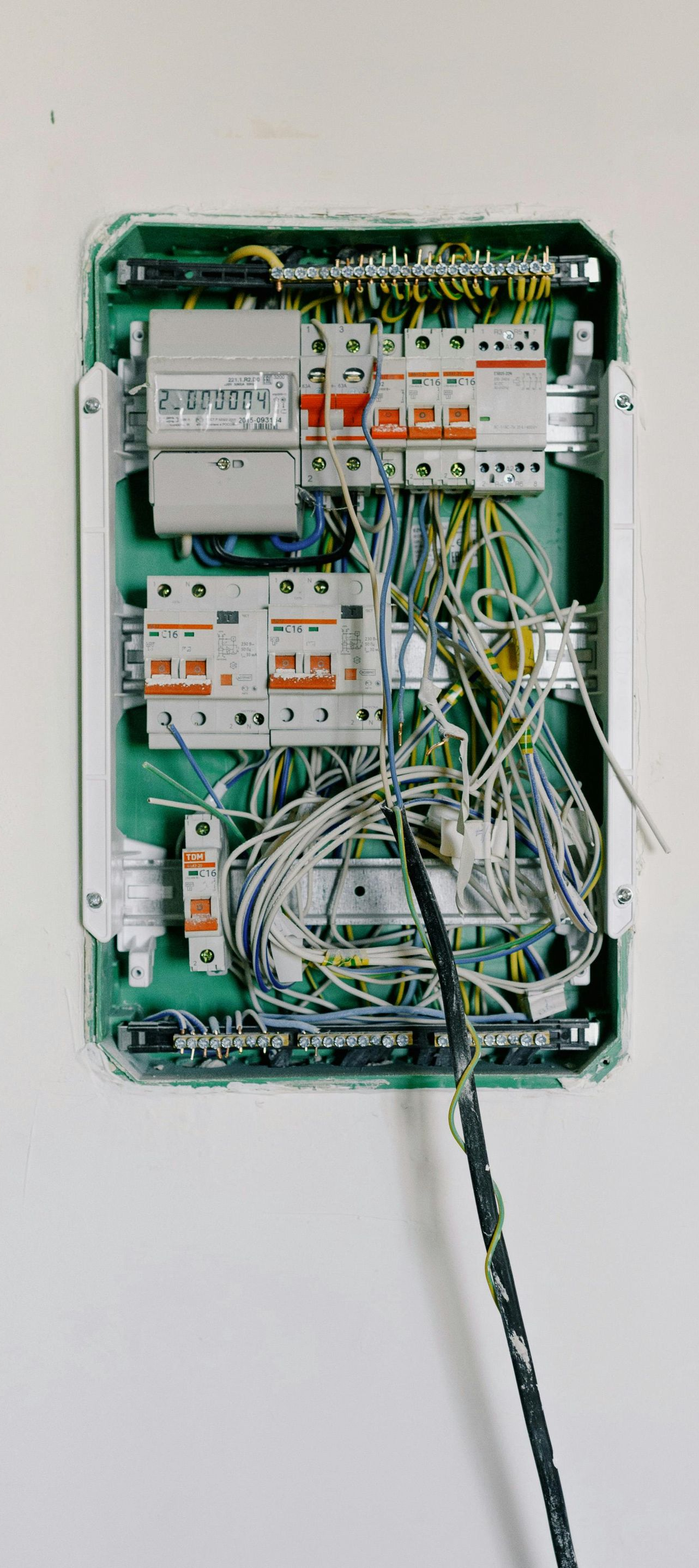
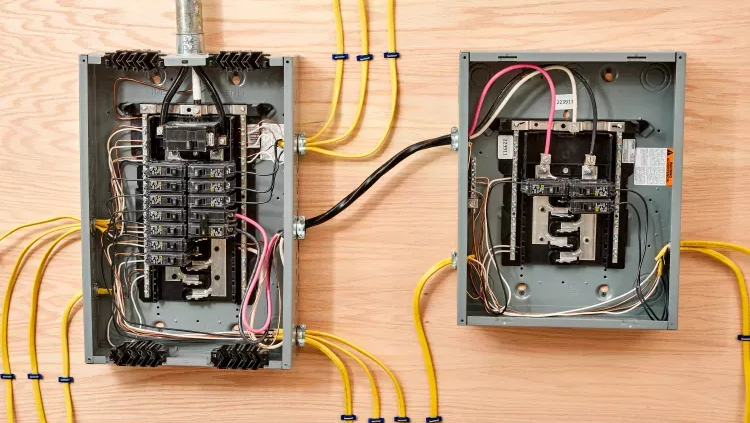
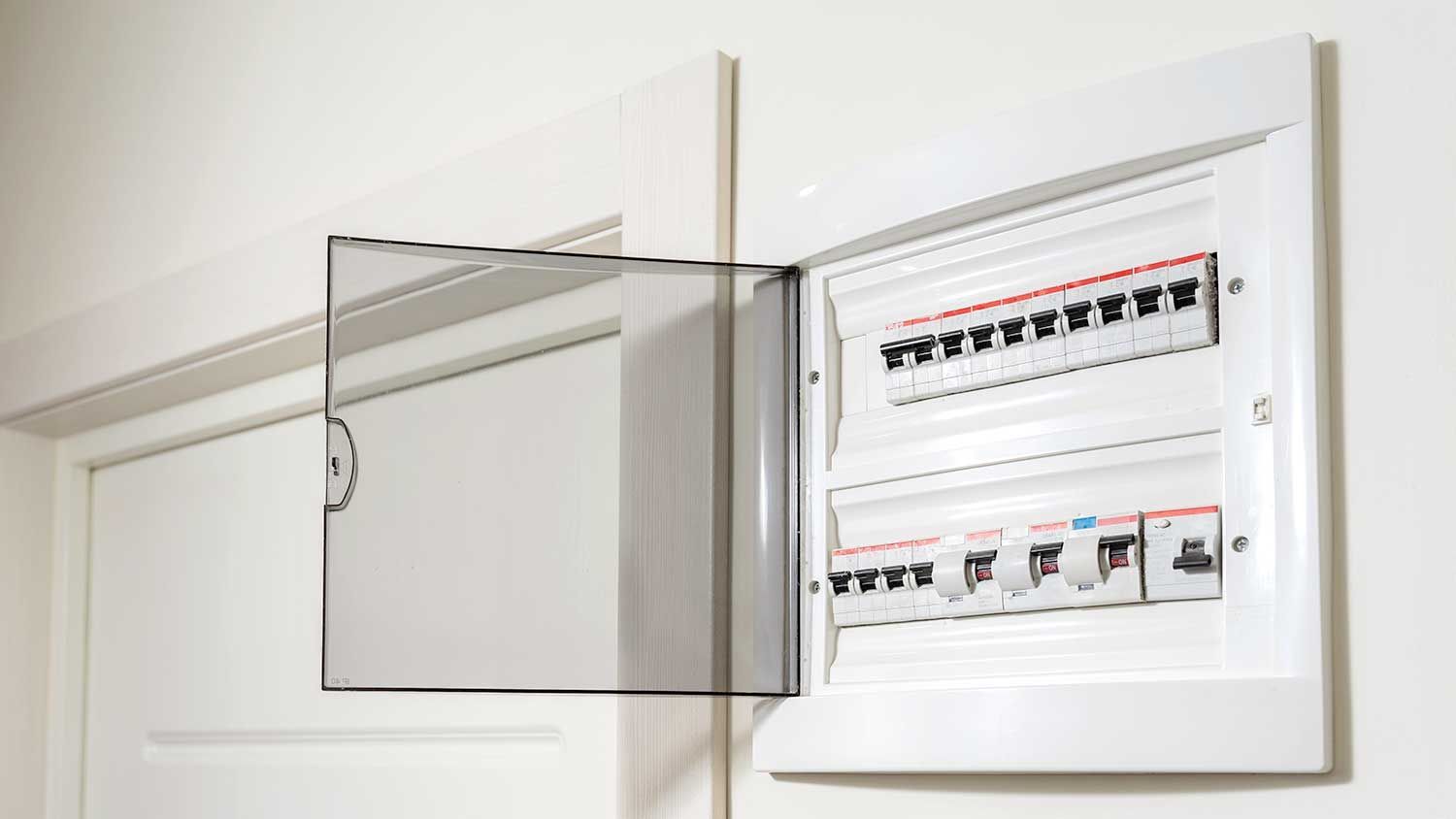
A sub panel is a secondary electrical panel that is connected to the main service panel. While the main panel receives power directly from the utility provider, the sub panel distributes power to specific areas, circuits, or equipment within a property.
Sub panels
do not replace the main panel. Instead, they extend its functionality by providing additional breaker space and localized power distribution. Power flows from the main panel to the sub panel through feeder wires, and individual circuits branch out from there.
How a Sub Panel Works
The main electrical panel acts as the central hub for incoming power. When a sub panel is installed, a dedicated breaker in the main panel supplies electricity to the sub panel. From that point, the sub panel operates much like the main panel by housing breakers that control individual circuits.
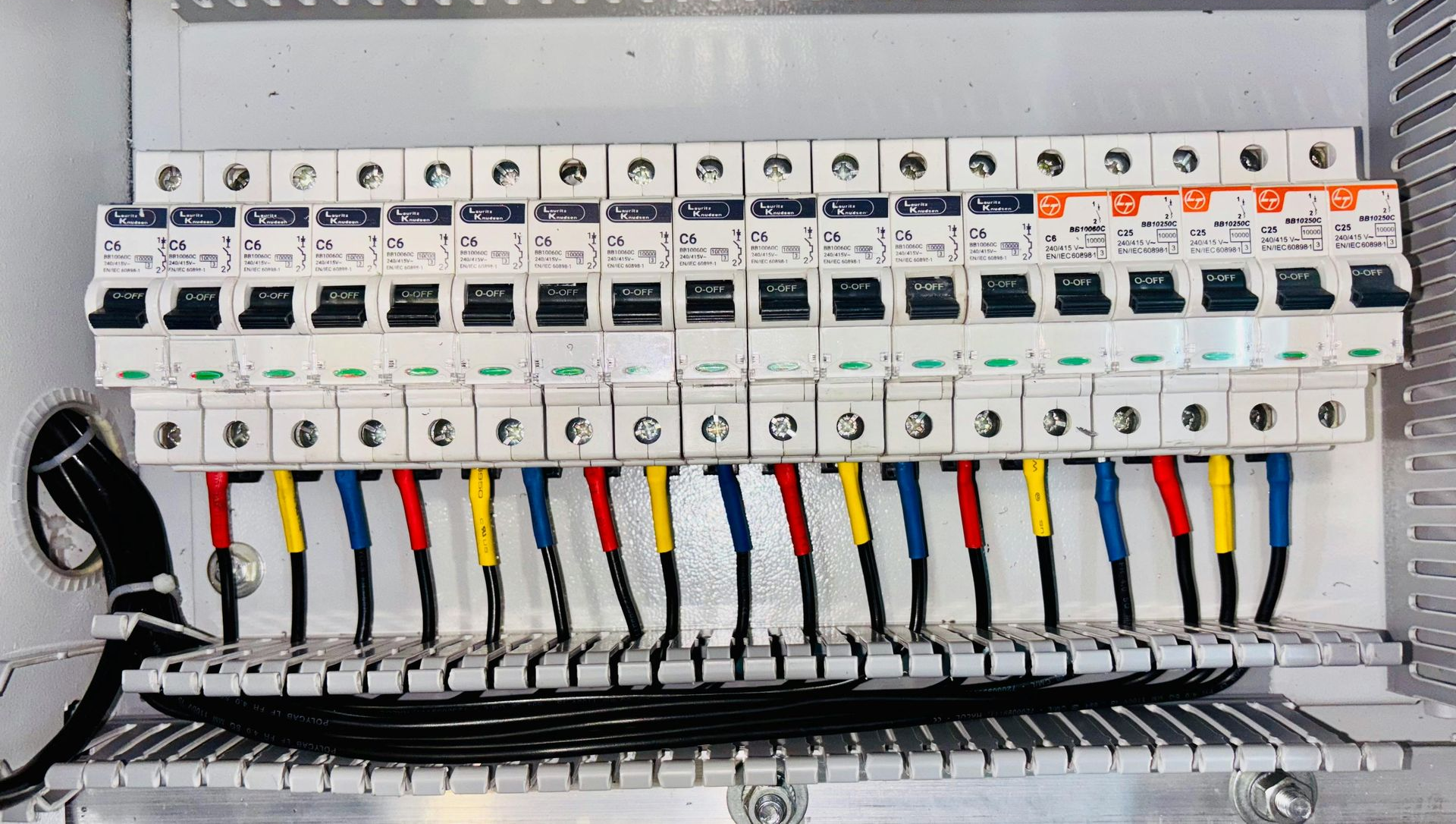
Each breaker in the sub panel protects a specific circuit from overload. If a circuit draws too much power, the breaker trips to prevent overheating and potential damage. This structure allows electrical loads to be spread out more evenly across the system.
Sub panels are grounded and bonded according to code requirements to ensure proper safety and performance.

Why Sub Panels Are Installed
One of the most common reasons for installing a sub panel is a lack of available breaker space in the main panel. As properties add new appliances, workshops, home offices, or remodeled spaces, existing panels may no longer have room for additional circuits.
Rather than replacing the entire main panel, a sub panel provides an efficient way to expand capacity. It also helps organize circuits by grouping related loads together, such as separating garage circuits from interior living spaces.
Who Might Benefit From a Sub Panel
Many types of property owners can benefit from sub panel installation.
Homes with additions or renovations often require additional circuits for lighting, outlets, and appliances. A sub panel allows these new circuits to be managed without overloading existing infrastructure.
Garages and workshops are another common application. Equipment such as air compressors, power tools, and electric heaters often require dedicated circuits. Installing a sub panel in or near the workspace improves convenience and reduces long cable runs from the main panel.
Home offices and media rooms may also benefit from sub panels. Concentrated electronic loads can strain older panels. A sub panel helps manage these demands more efficiently and improves reliability.
Commercial spaces frequently rely on sub panels to serve specific areas or equipment groups. This allows for better load management and easier troubleshooting when issues arise.
Safety and Code Considerations
Sub panel installation must follow electrical code requirements related to wiring size, grounding, breaker selection, and placement. Improper installation can create safety hazards, including overheating, improper grounding, or nuisance tripping.
Professional installation ensures that feeder conductors are correctly sized, breakers are properly rated, and the system operates safely. It also ensures compliance with local codes and inspection requirements.
Benefits Beyond Capacity
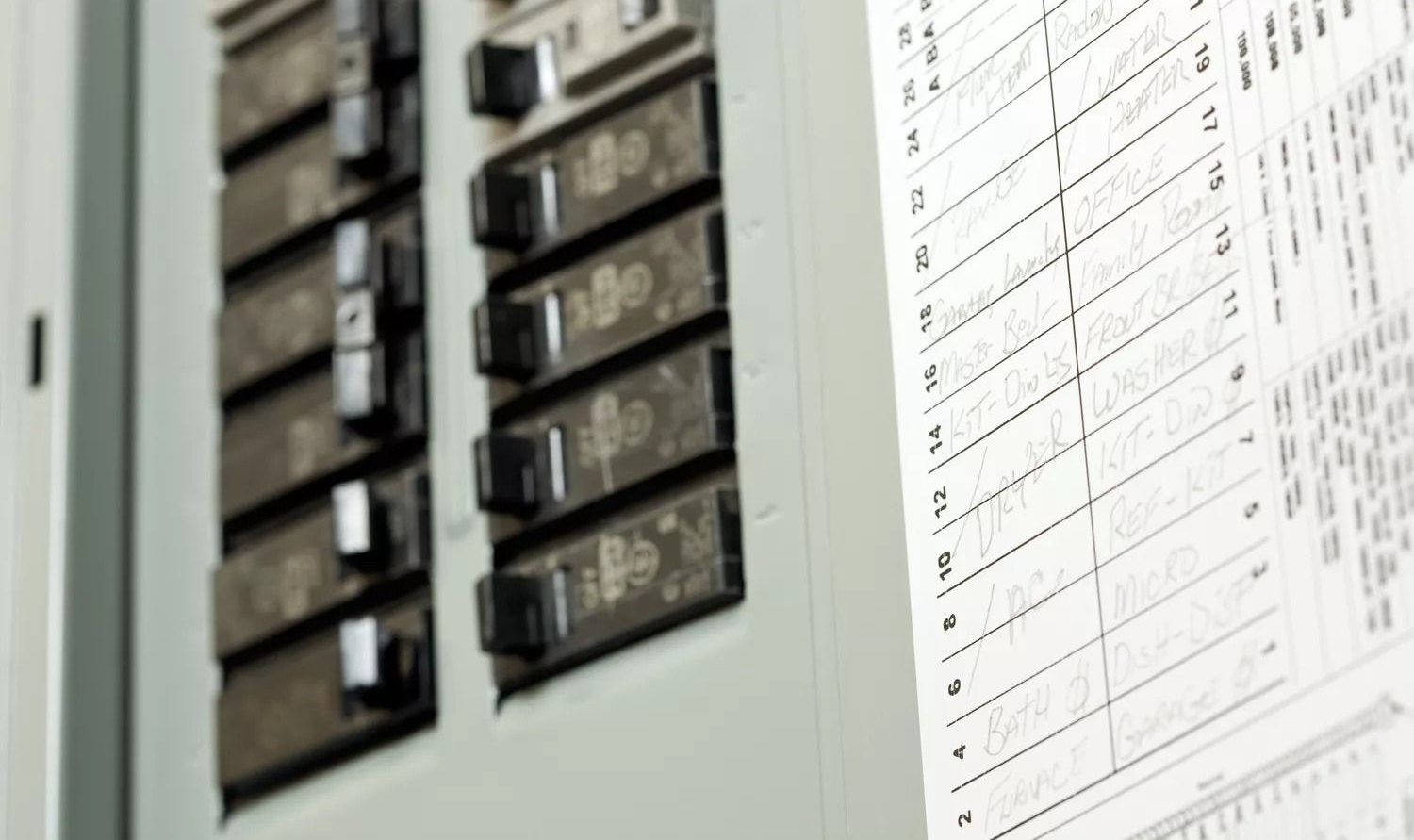
In addition to increasing capacity, sub panels offer organizational benefits. Clearly labeled breakers and grouped circuits make maintenance and troubleshooting easier. When a circuit trips, it is easier to identify and address the issue without affecting unrelated areas.
Sub panels can also reduce voltage drop by placing circuits closer to the loads they serve. This improves performance for sensitive equipment and reduces stress on wiring.

Planning for Future Needs
Sub panel installation is often part of long term electrical planning. It allows properties to adapt to changing needs without major system overhauls. Whether preparing for future equipment, expanding living space, or improving electrical reliability, sub panels offer flexibility.
At Lunar Electric, sub panel installations are approached with careful evaluation of current usage and future demands. Each installation is designed to support safety, performance, and long term reliability.
A Practical Electrical Upgrade
Sub panels are a practical solution for managing increased electrical demand. By expanding capacity and improving organization, they help electrical systems keep pace with modern usage.
Understanding what a sub panel is and how it works allows property owners to make informed decisions about their electrical infrastructure. When additional circuits are needed, sub panel installation can provide a safe and efficient path forward.