What to Consider When Installing Outdoor Electrical Features
Designing for Performance, Durability, and Safety
Outdoor electrical features can significantly enhance how homeowners use and enjoy their property. From patios and decks to landscape lighting and exterior outlets, properly installed outdoor electrical systems add convenience, functionality, and value. However, outdoor installations require more planning than indoor electrical work. Exposure to weather, moisture, and temperature changes means outdoor electrical features must be designed with safety and durability in mind.
Understanding what to consider before installing outdoor electrical features helps homeowners make informed decisions and avoid problems down the road.

Understanding the Purpose of the Installation
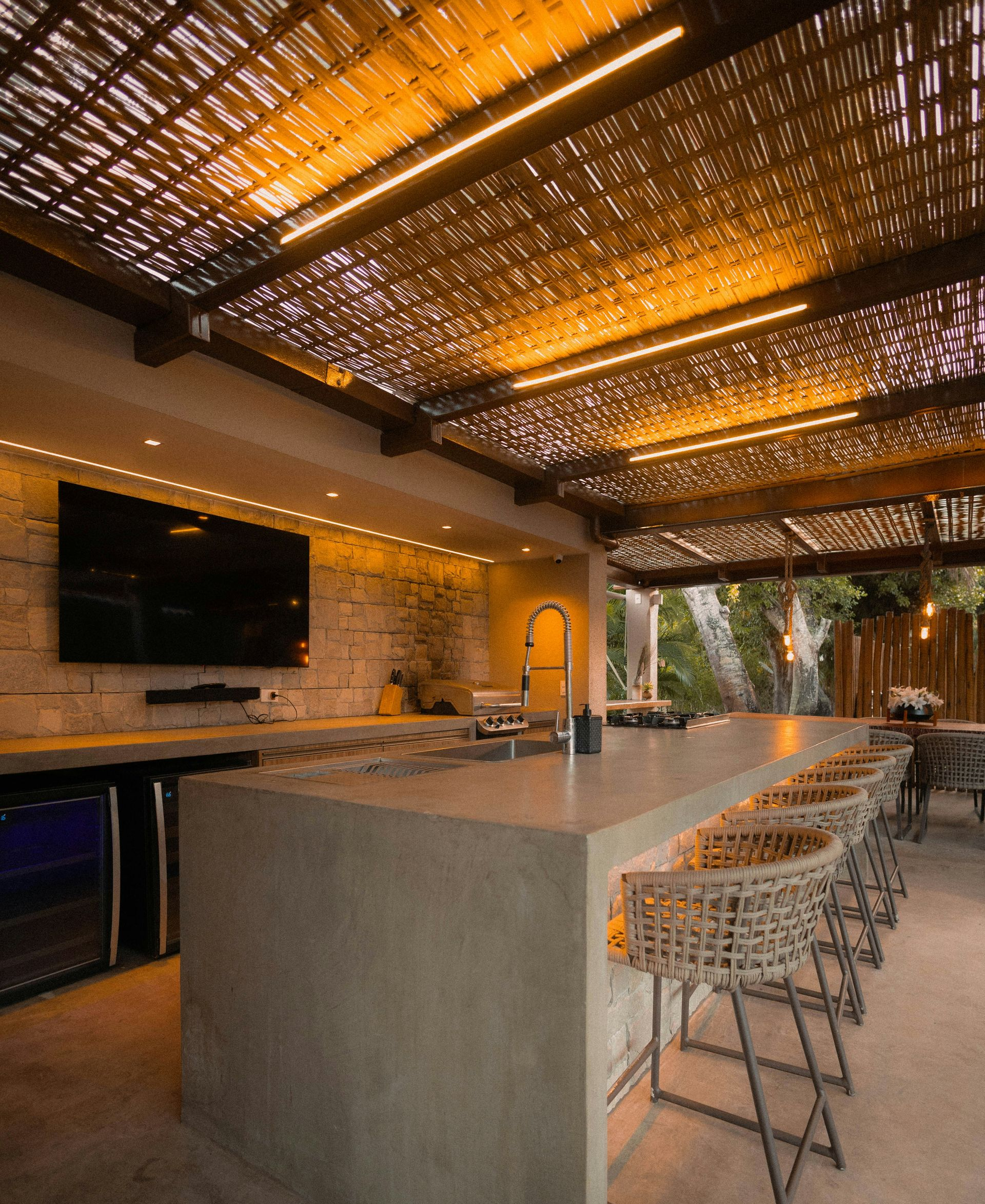
The first step in planning outdoor electrical work is defining how the space will be used. Different features have different power and safety requirements. Landscape lighting, for example, focuses on visibility and aesthetics, while outdoor kitchens or entertainment areas may require higher capacity circuits to support appliances and equipment.
Clarifying the purpose of each feature helps determine electrical load requirements and ensures the system is designed appropriately from the start.

Electrical Capacity and Load Planning
Outdoor electrical features add demand to a home’s electrical system. Even modest additions such as lighting or outlets increase overall load. Before installation, the existing electrical panel and available capacity should be evaluated.
Without proper
load calculations, adding outdoor circuits can strain the system and lead to frequent breaker trips or uneven performance. In some cases, panel upgrades or additional circuits may be necessary to support outdoor features safely and reliably.

Weather Resistance and Material Selection
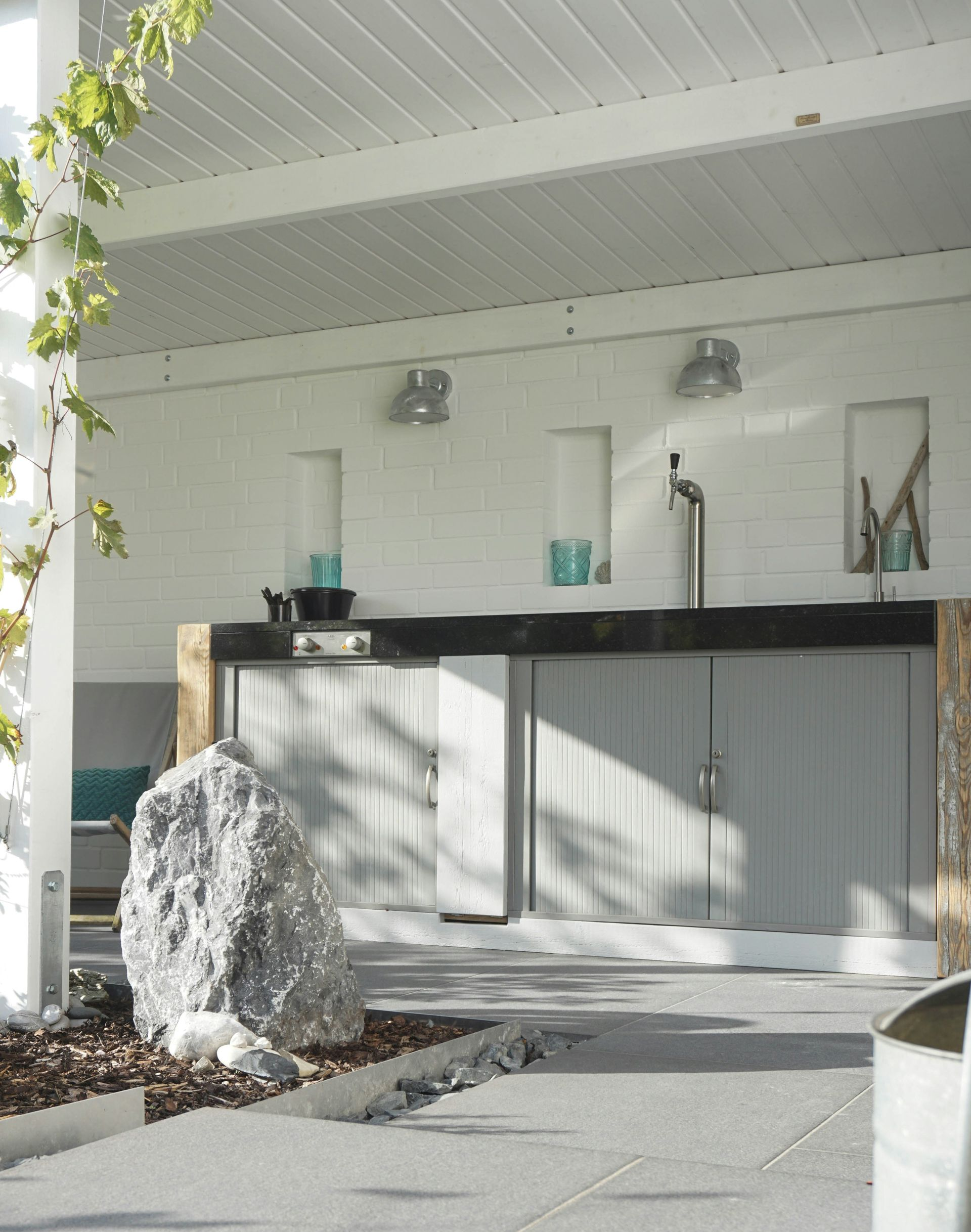
Outdoor electrical components must be rated for exterior use. Exposure to rain, humidity, heat, and cold requires weather resistant materials designed to withstand these conditions. Using indoor rated components outdoors can lead to corrosion, short circuits, and premature failure.
Fixtures, outlets, and wiring should be specifically approved for outdoor environments. Proper enclosures and covers help protect connections from moisture intrusion and debris.

Placement and Accessibility
Where outdoor electrical features are installed matters just as much as what is installed. Outlets and lighting should be placed where they are convenient but not exposed to unnecessary risk. For example, outlets should be positioned to reduce the need for extension cords, which can create tripping hazards or weather exposure.
Accessibility is also important for future maintenance. Electrical components should be installed where they can be inspected and serviced without difficulty. Thoughtful placement supports long term usability and safety.

Code Compliance and Safety Standards
Outdoor electrical installations are subject to specific code requirements designed to reduce risk. These standards address grounding, weather protection, spacing, and circuit design. Compliance helps protect homeowners from electrical hazards and ensures the installation meets legal and safety expectations.
Professional installation ensures that outdoor electrical work aligns with current codes and best practices. This reduces the likelihood of issues during inspections, renovations, or future property transactions.

Lighting Design and Function
Outdoor lighting serves multiple purposes. It can improve safety by illuminating walkways and entrances, enhance security, and highlight landscaping features. Designing lighting systems with these goals in mind leads to better outcomes.
Layered lighting approaches, such as combining pathway lights with accent lighting, create balanced illumination without overwhelming the space. Thoughtful design also helps minimize glare and light spill into unintended areas.
Planning for Future Needs
Outdoor electrical installations should be planned with future use in mind. Homeowners may later add features such as additional lighting, seating areas, or equipment. Designing systems with some flexibility reduces the need for extensive modifications later.
Installing conduit or planning circuit capacity for expansion can save time and expense in the future.

Why Professional Installation Matters
Outdoor electrical work involves variables that are not always obvious to homeowners. Soil conditions, moisture exposure, and system capacity all affect performance and safety. Professional electricians evaluate these factors and design installations that perform reliably over time.
At Lunar Electric, outdoor electrical installations are approached with careful planning and attention to detail. By considering load requirements, material selection, placement, and long term use, we help homeowners create outdoor spaces that are both functional and safe. Thoughtful electrical design allows outdoor features to enhance a home without compromising reliability or peace of mind.