How Backup Power Planning Improves Household Resilience
Protect Your Home
Power outages are no longer rare or isolated events. Severe weather, aging infrastructure, and increased electrical demand have made interruptions more common for many households. While brief outages can be inconvenient, extended power loss can disrupt daily life, compromise safety, and damage sensitive equipment. Backup power planning is one of the most effective ways homeowners can improve household resilience and prepare for the unexpected.
What Household Resilience Really Means
Household resilience refers to a home’s ability to maintain essential functions during disruptions. When electrical power is lost, lighting, heating or cooling systems, refrigeration, medical equipment, communication devices, and security systems may all be affected.
Backup power planning focuses on identifying which systems are most critical and ensuring they can continue operating safely when the primary power source is unavailable. This planning is not about comfort alone. It is about continuity, safety, and peace of mind.

Why Outages Are Becoming More Disruptive
Modern homes rely on electricity more than ever before. Remote work, smart home systems, electric appliances, and connected devices all increase dependence on a stable power supply. Even short outages can interrupt work, damage electronics, or affect food safety.
In longer outages, risks increase. Loss of heating or cooling during extreme temperatures can become a health concern. Homes with
sump pumps, medical devices, or security systems are particularly vulnerable without backup power.
Identifying Critical Electrical Needs
Effective backup power planning starts with understanding what your household cannot function without. This often includes refrigeration, lighting, internet equipment, medical devices, and essential outlets.
Some homeowners may also prioritize heating systems, well pumps, or garage access. The goal is not to power everything, but to support the systems that protect safety and daily function during an outage.
By identifying these needs in advance, we can help design a solution that matches the household rather than relying on guesswork.

Backup Power Options
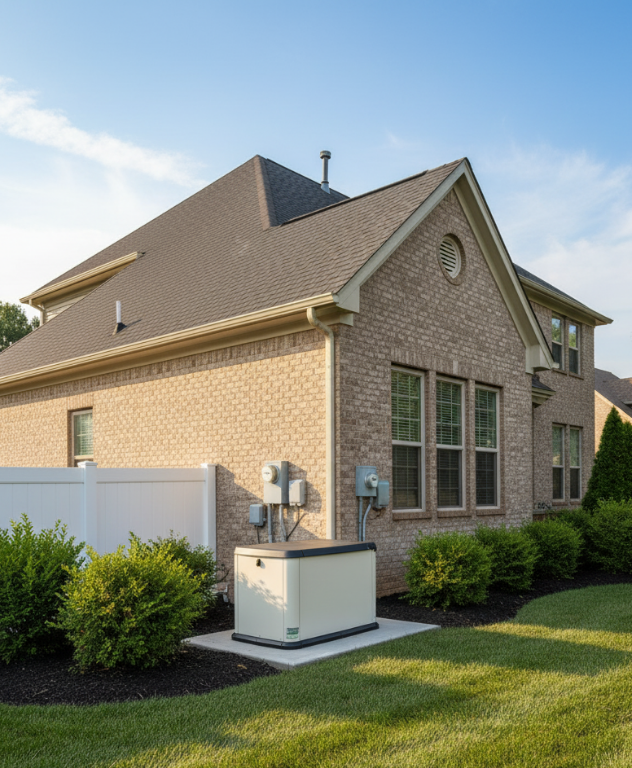
Backup power solutions vary depending on household needs and electrical capacity. Portable generators can provide temporary support for limited systems when used properly. Standby generators are designed to engage automatically during outages and can support more extensive loads.
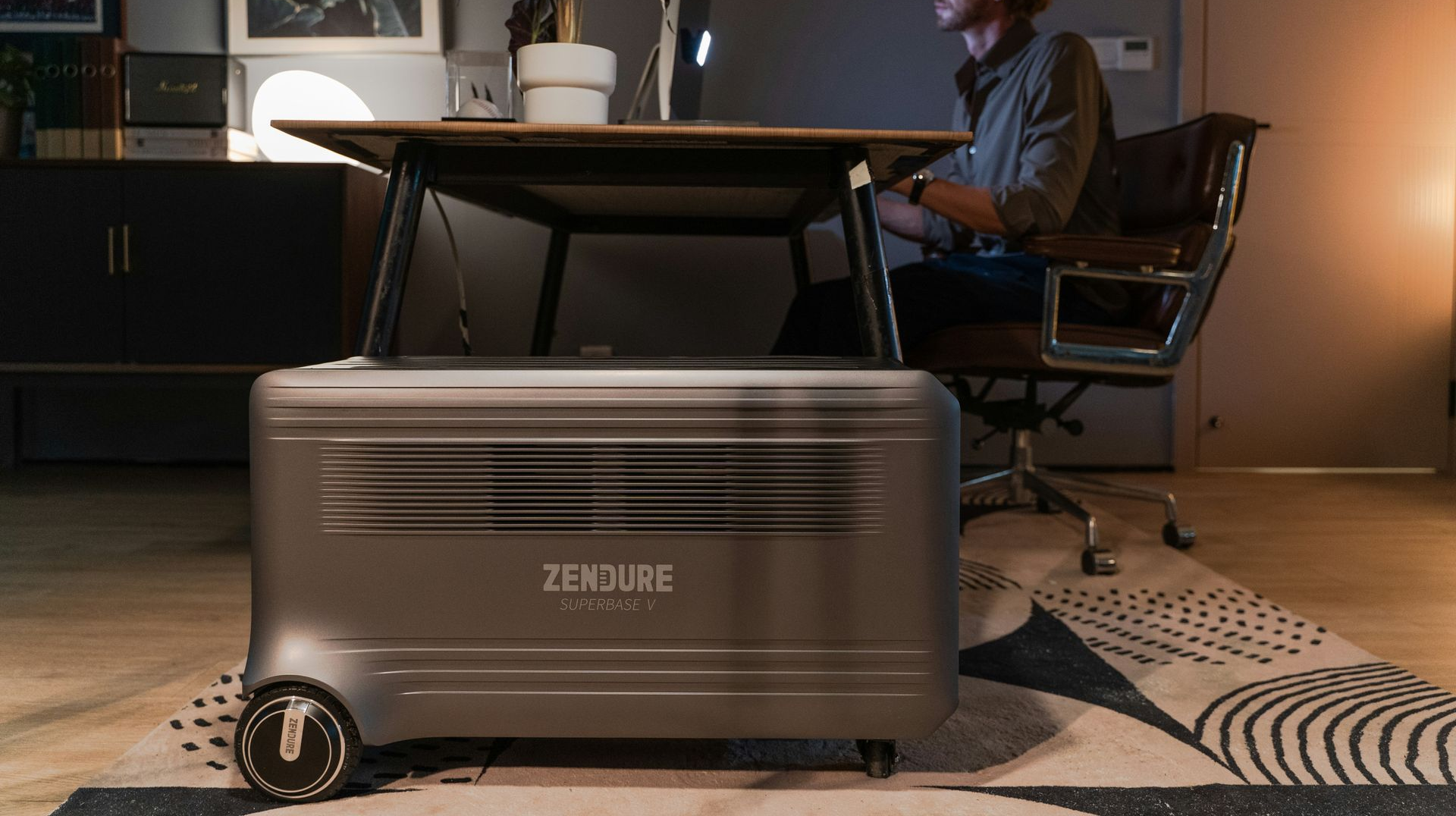
Battery based backup systems are another option, particularly for homes looking to support critical circuits without fuel reliance. Each option has advantages and limitations that should be evaluated carefully.
Proper installation and integration with the existing electrical system are essential for safety and performance.

Why Professional Planning Matters
Backup power systems must be compatible with a home’s electrical infrastructure. Improper connections or overloaded circuits can create hazards during an already stressful situation.
Professional planning ensures that backup systems are installed safely, meet local electrical codes, and function as intended. This includes proper transfer equipment, load management, and system testing.
A professionally designed setup also allows homeowners to understand what their system will and will not support, which prevents surprises during an outage.
Long Term Benefits of Backup Power Planning
Beyond emergency preparedness, backup power planning adds long term value to a home. Homes with well designed backup systems are better prepared for future electrical demands and may be more attractive to buyers who value resilience.
Planning ahead also reduces the need for rushed decisions during emergencies. When outages occur, households with backup systems in place can focus on staying safe rather than scrambling for solutions.

Integrating Backup Power Into Overall Electrical Strategy
Backup power should not be treated as a standalone upgrade. It works best when integrated into a broader electrical strategy that considers panel capacity, circuit layout, and future needs.
This approach allows homeowners to expand or adjust systems over time as usage patterns change.
Building Confidence Through Preparation
Electrical outages are unpredictable, but preparation does not have to be. Backup power planning allows households to maintain control during disruptions and reduce the impact of power loss.
At Lunar Electric, we help homeowners evaluate their electrical needs and design backup power solutions that support safety, reliability, and long term resilience. Thoughtful planning today helps ensure your home is ready for tomorrow, no matter what challenges arise.