What Happens During a Professional Electrical Inspection
What Inspectors Check and Why It Matters
Many homeowners are unsure what actually takes place during a professional electrical inspection. Some assume it is a quick visual check, while others worry it will be disruptive or complicated. In reality, an electrical inspection is a structured, methodical process designed to evaluate safety, performance, and compliance. Understanding what happens during an inspection helps homeowners see its value and know what to expect.
The Purpose of an Electrical Inspection
An electrical inspection is intended to identify potential hazards, code concerns, and performance issues within a home’s electrical system. Electrical problems are not always obvious. Worn components, overloaded circuits, or improper installations can exist behind walls or inside panels without immediate symptoms.
A professional inspection helps uncover these issues before they lead to outages, equipment damage, or safety risks. It also provides homeowners with a clearer picture of the condition of their electrical system.

Initial Assessment and Discussion
The inspection process typically begins with a conversation. We ask homeowners about the age of the home, recent renovations, known electrical issues, and any changes in usage. Flickering lights, frequently tripped breakers, or new high demand appliances can all provide important context.
This discussion helps guide the inspection and ensures that areas of concern receive appropriate attention.
Electrical Panel Evaluation
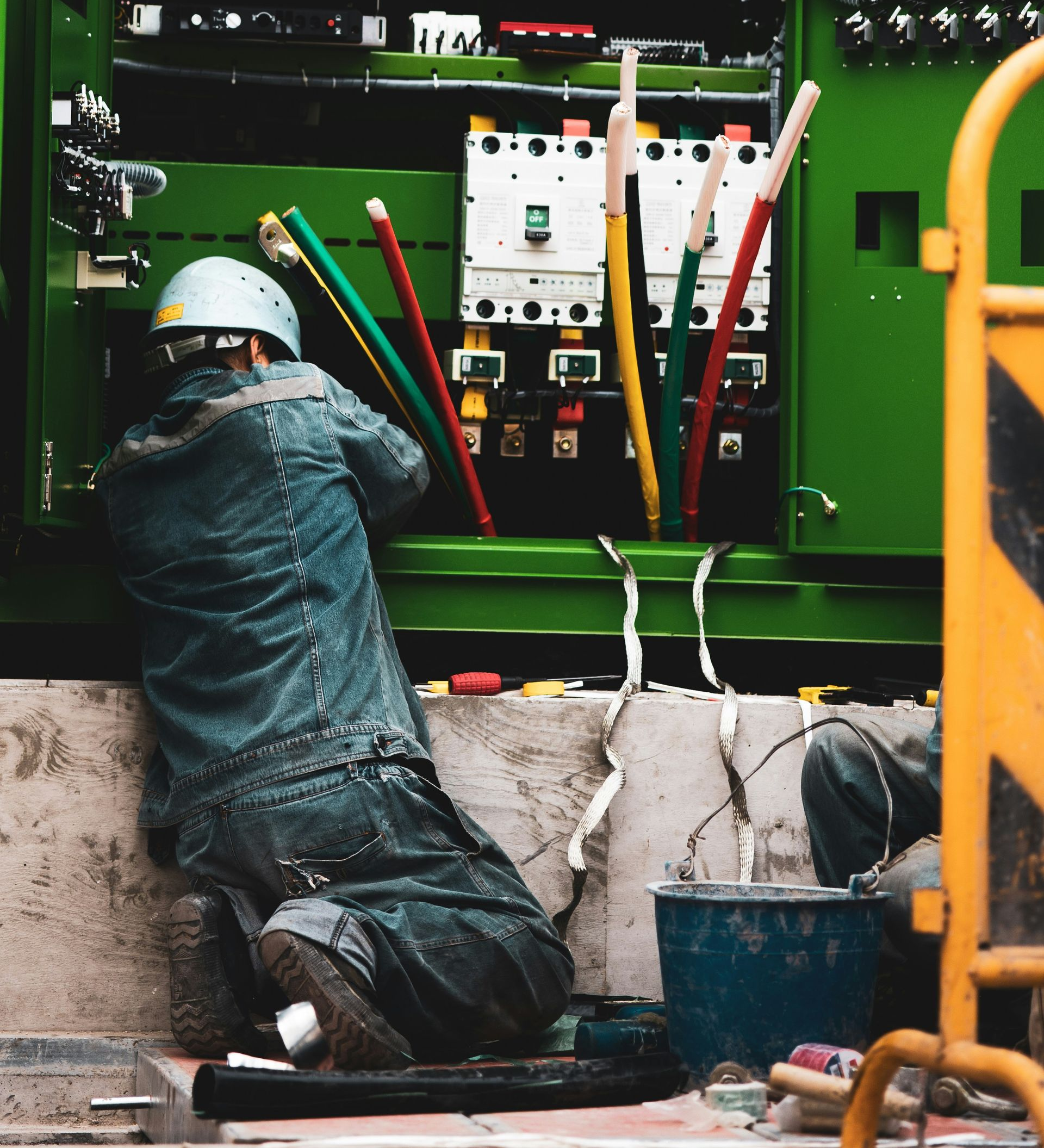
One of the most important parts of an inspection is the electrical panel. The panel serves as the control center for the home’s electrical system, distributing power to individual circuits.
During the inspection, we examine the panel for signs of wear, corrosion, overheating, or improper wiring. We check breaker sizing, labeling, and overall capacity to determine whether the system is adequately supporting the home’s electrical demands. Improper breaker sizing or overcrowded panels can increase the risk of electrical issues.
Wiring and Connections
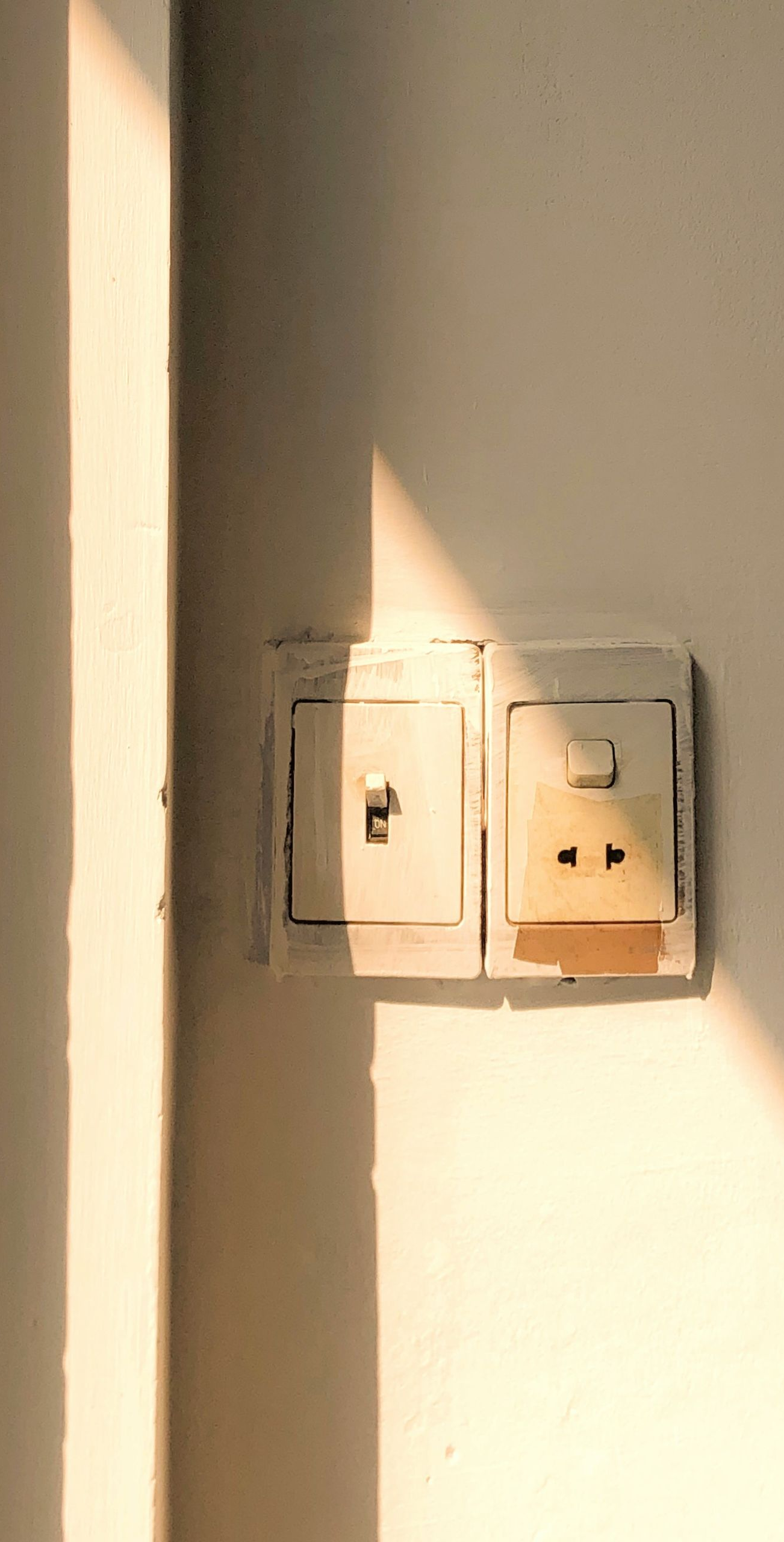
We also evaluate visible wiring and connections throughout the home. This includes checking outlets, switches, junction boxes, and accessible wiring for signs of damage or improper installation.
Loose connections, deteriorated insulation, or outdated wiring methods can contribute to safety concerns. While not all wiring is visible, inspecting accessible areas provides valuable insight into the overall condition of the system.
Grounding and Bonding
Proper grounding and bonding are essential for electrical safety. These systems help direct excess electrical energy safely into the ground and reduce the risk of shock.
During an inspection, we verify that grounding and bonding components are present and correctly installed. Deficiencies in this area are common in older homes and may not be immediately noticeable without professional evaluation.

Testing Outlets and Devices
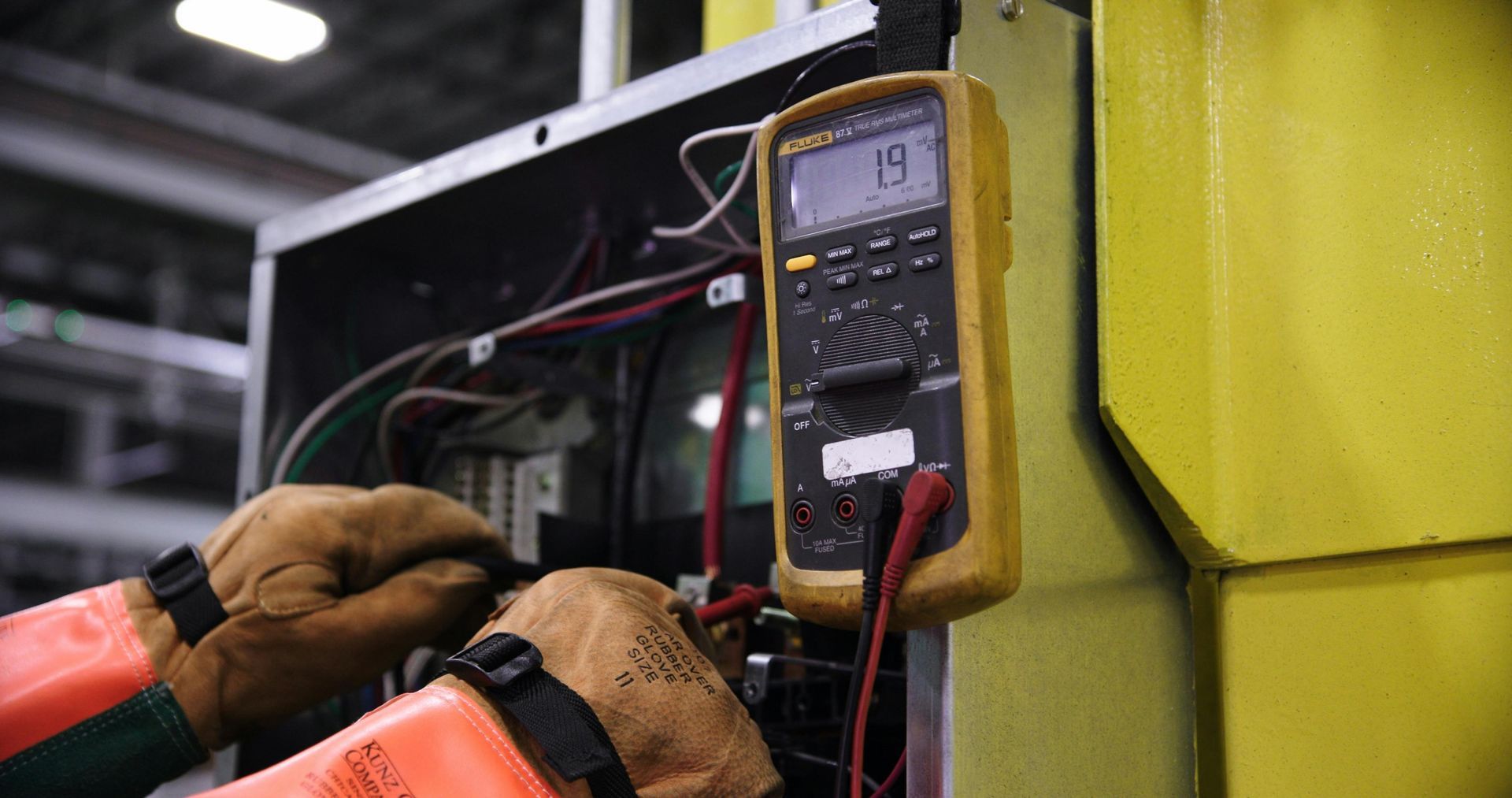
Electrical inspections often include testing outlets and devices to ensure they function correctly. This helps identify wiring issues such as reversed polarity or improper grounding.
Testing also helps confirm that outlets are delivering power safely and consistently. Issues found during testing may indicate deeper wiring problems that require attention.
Identifying Load and Usage Concerns
Modern homes often place higher demands on electrical systems than those built decades ago. An inspection helps assess whether the system is keeping pace with current usage.
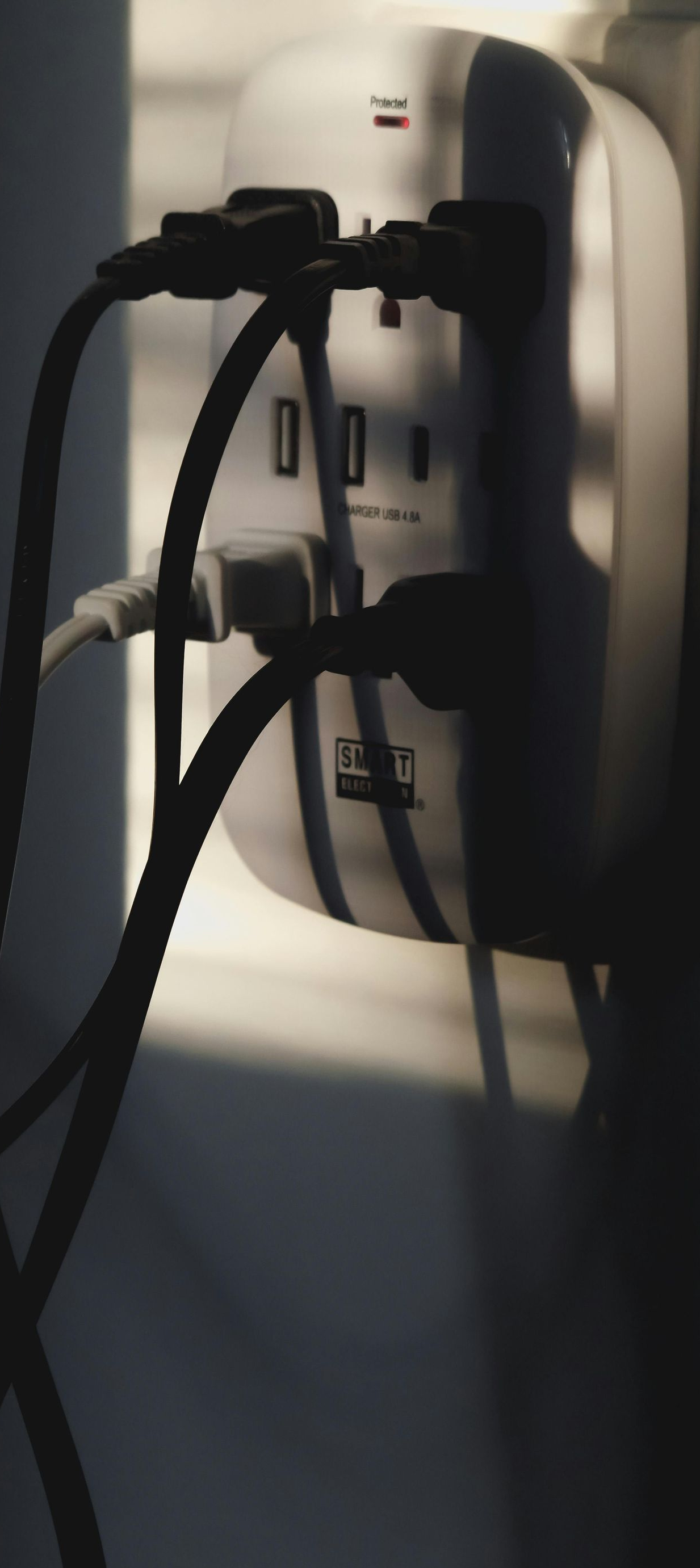
We look for signs of overloaded circuits, extension cord reliance, or makeshift solutions that may indicate the need for upgrades. Addressing load concerns supports both safety and system reliability.
Code Awareness and Best Practices
While electrical codes evolve over time, inspections focus on identifying conditions that may pose safety risks based on current best practices. This does not always mean a home must be brought entirely up to modern code, but it does highlight areas where improvements may significantly enhance safety.
Clear explanations help homeowners understand what is recommended, why it matters, and how to prioritize next steps.

Documentation and Recommendations
At the conclusion of the inspection, homeowners receive a summary of findings and recommendations. This information helps guide decision making and planning.
Some issues may require prompt attention, while others can be addressed over time. Having clear documentation allows homeowners to make informed choices rather than reacting to emergencies.
A Proactive Approach to Electrical Safety
Electrical inspections are a proactive way to protect a home and the people inside it. They provide insight, clarity, and peace of mind.
At Lunar Electric, we approach inspections with transparency and care. Our goal is to help homeowners understand their electrical systems and feel confident about their safety, performance, and long term reliability.