
How GFCI and AFCI Protection Work Together to Reduce Electrical Fire Risk
Reducing Shock and Fire Risks With Advanced Circuit Protection
Modern electrical safety relies on more than just circuit breakers and proper wiring. As homes and commercial buildings have become more electrically complex, additional layers of protection have been introduced to reduce the risk of shock and fire. Two of the most important safety technologies are GFCI and AFCI protection. While these devices serve different purposes, they are designed to work together to improve overall electrical safety. At Lunar Electric, we help property owners understand how these protections function and why both are essential in today’s electrical systems.

Understanding GFCI Protection
GFCI stands for ground fault circuit interrupter. GFCI devices are designed to protect people from electric shock. They monitor the flow of electricity through a circuit and quickly shut off power if they detect an imbalance. This imbalance may occur when electricity is flowing through an unintended path, such as through water or a person.
GFCI protection is especially important in areas where moisture is present. Kitchens, bathrooms, garages, laundry rooms, and outdoor outlets are common locations where GFCI devices are required by electrical codes. In these environments, the risk of shock increases due to the presence of water or damp conditions.
When a GFCI device
senses a ground fault, it cuts power in a fraction of a second. This rapid response can significantly reduce the risk of serious injury. However, while GFCI protection is excellent at preventing shock, it is not designed to detect all types of electrical hazards.
Understanding AFCI Protection
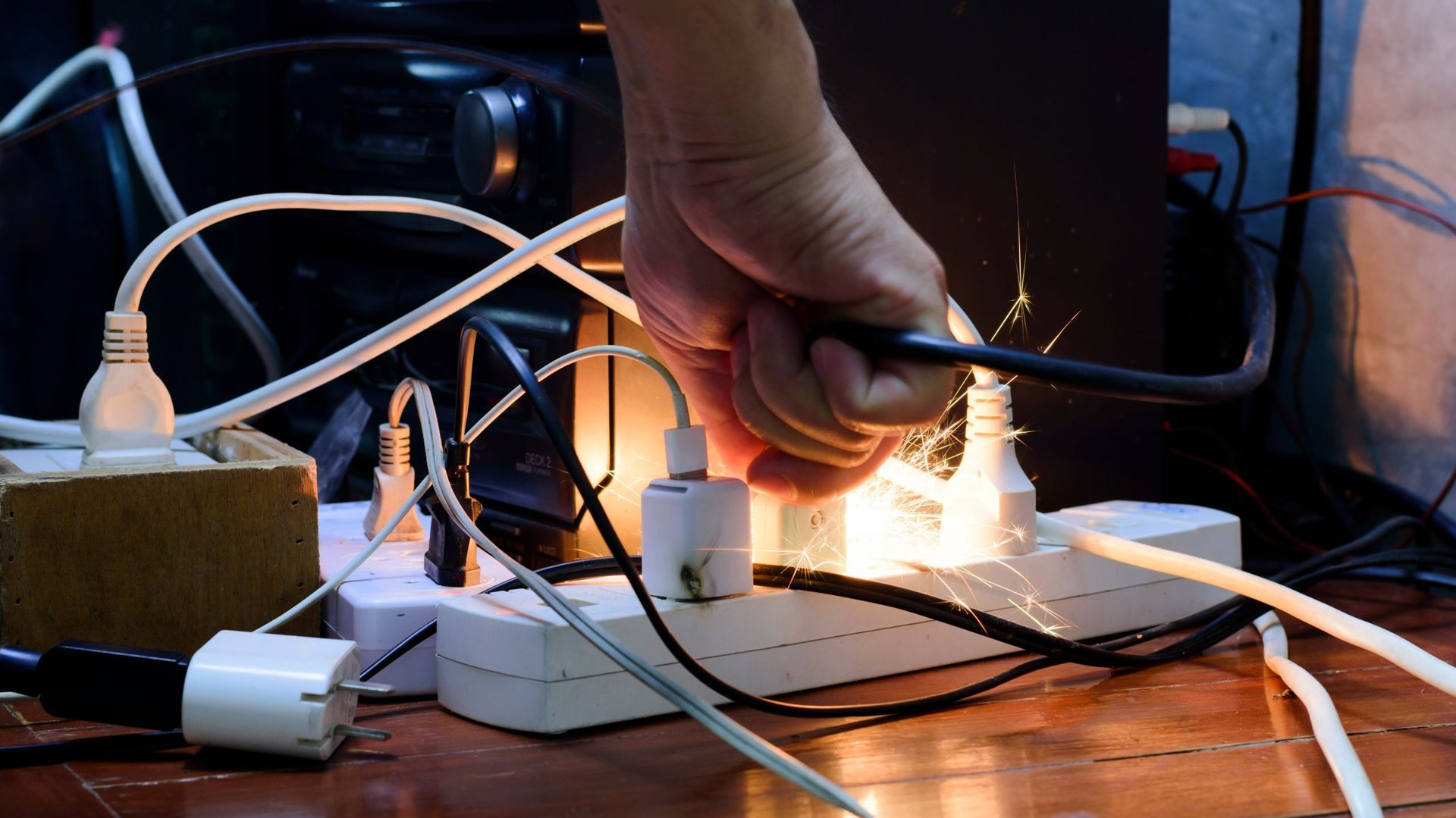
AFCI stands for arc fault circuit interrupter. AFCI devices are designed to reduce the risk of electrical fires. Arc faults occur when electricity jumps across damaged or loose wiring connections, creating heat. Over time, this heat can ignite surrounding materials such as insulation or framing.
Arc faults may be caused by aging wiring, damaged cords, loose connections, or improper installations. These faults are often hidden inside walls or ceilings, making them difficult to detect without specialized protection.
AFCI devices continuously monitor the electrical waveform in a circuit. When they detect patterns associated with dangerous arcing, they shut off power to prevent overheating and fire.
AFCI protection is commonly required in living areas, bedrooms, and other spaces where electrical fires may otherwise go unnoticed.

Why Both Types of Protection Are Necessary
GFCI and AFCI devices address different hazards. GFCI protection focuses on preventing electric shock, while AFCI protection focuses on preventing fires. Because these risks are not the same, relying on only one type of protection leaves gaps in safety coverage.
For example, a ground fault near a sink may not produce the arcing patterns that an AFCI device is designed to detect. Similarly, a damaged wire inside a wall may cause arcing that does not create a ground fault. By using both types of protection where appropriate, electrical systems can respond to a wider range of dangerous conditions.
In many modern installations, dual function breakers are used. These breakers provide both GFCI and AFCI protection in a single device. This approach simplifies installation while maintaining comprehensive safety coverage.

Code Requirements and Evolving Standards
Electrical codes have evolved to reflect a better understanding of residential and commercial fire risks. As a result, GFCI and AFCI requirements have expanded over time. New construction and renovation projects often require both forms of protection in various circuits throughout the building.
Understanding these requirements can be challenging for property owners. Improper installations or outdated panels may not meet current standards. This can increase safety risks and complicate inspections or insurance considerations.
How Lunar Electric Helps
At Lunar Electric, we evaluate electrical systems to determine where GFCI and AFCI protection is needed based on current codes and real world usage. We assess panels, circuits, and outlets to identify gaps in protection and recommend solutions that align with safety standards.
Our work includes installing new devices, upgrading panels to support modern breakers, and correcting improper or outdated wiring. We also ensure that protection is applied appropriately so that circuits function reliably without unnecessary interruptions.
A Smarter Approach to Electrical Safety
Electrical safety is most effective when multiple safeguards work together. GFCI and AFCI protection each play a distinct role, and their combined use helps reduce the risk of shock, fire, and hidden electrical hazards. As electrical demands continue to grow, layered protection becomes increasingly important.
At Lunar Electric, we believe informed decisions lead to safer properties. By understanding how GFCI and AFCI devices work together, property owners can take meaningful steps toward protecting people, structures, and long term electrical reliability.