How to Plan Safe and Efficient Electrical Upgrades During a Kitchen Renovation
Powering a Successful Kitchen Renovation with Smart Electrical Planning
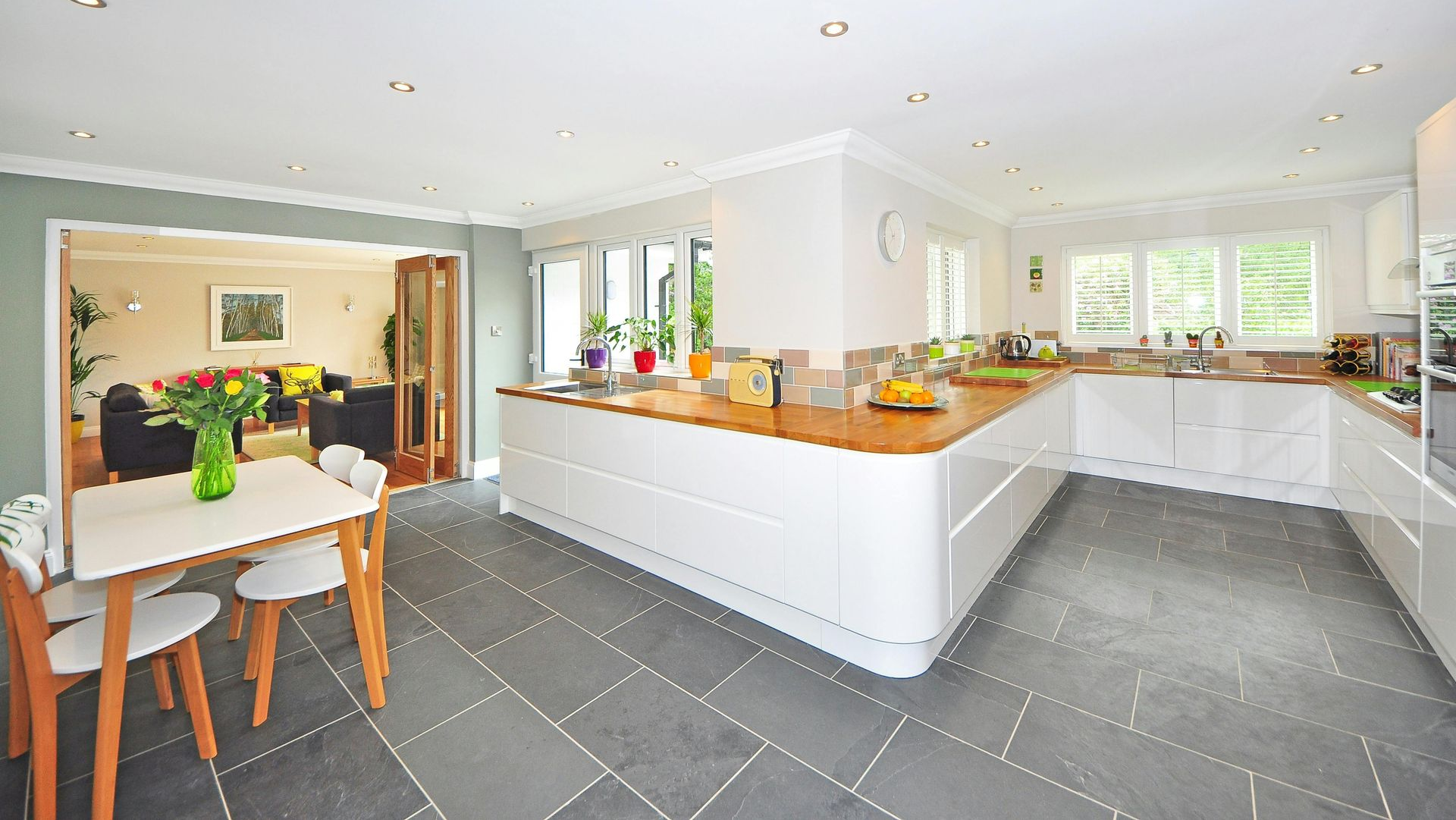
A kitchen renovation offers an opportunity to improve both the appearance and the functionality of one of the most important rooms in a home. Electrical planning is a major component of this process because a modern kitchen depends on reliable power, safe circuits, and well designed lighting. At Lunar Electric, we help homeowners design electrical systems that support their appliances, enhance their workspace, and meet current safety standards. Careful planning during a renovation prevents future problems and ensures that the kitchen operates efficiently once the project is complete.

Evaluating Existing Electrical Capacity
Before new fixtures or appliances are selected, it is important to understand the capacity of the existing electrical system. Kitchens require more power than many other areas of the home because of the number of appliances they contain. Items such as refrigerators, dishwashers, microwaves, and cooktops draw significant amperage, and older electrical panels may not be equipped to handle these demands.
A load calculation determines whether the current panel has the capacity to support new circuits. If the panel is outdated or near its limit, an upgrade may be necessary. This step helps prevent overloaded circuits, nuisance tripping, and long term strain on the system.
Installing Dedicated Circuits for Major Appliances
Many kitchen appliances require dedicated circuits to operate safely. Dedicated circuits ensure that high demand appliances do not compete with other devices for power. Refrigerators, microwaves, dishwashers, garbage disposals, and electric ranges typically need their own circuits based on current electrical codes.
We work with homeowners to identify which appliances will be included in the renovation and ensure that each receives the appropriate circuit size and protection. This planning helps prevent issues such as dimming lights, tripped breakers, or overheating wires. It also supports long term safety and appliance performance.

Incorporating GFCI and AFCI Protection
Kitchens contain a combination of moisture, heat, and high power usage. These conditions make proper circuit protection essential. Ground Fault Circuit Interrupter protection is required for outlets located near sinks or water sources. GFCI devices monitor electrical current and shut off power when an imbalance is detected, which helps reduce the risk of shock.
In addition to GFCI protection, Arc Fault Circuit Interrupter protection is required for many kitchen circuits. AFCIs monitor for hazardous arcing within the wiring, which can occur from damaged conductors or loose connections. This type of protection helps reduce the risk of electrical fires.
During a renovation, we make sure that all required circuits meet modern GFCI and AFCI standards. Some circuits may require dual function breakers that provide both forms of protection. Including these devices in the design phase helps ensure that the completed kitchen complies with current safety codes.

Planning Effective Lighting Design
Lighting plays a major role in the function and atmosphere of a kitchen. Proper lighting design includes three categories: task lighting, ambient lighting, and accent lighting. Task lighting is essential over work areas such as countertops, cooktops, and sinks. Recessed fixtures, under cabinet lights, and pendant lighting are common solutions.
Ambient lighting provides general illumination that fills the room. This lighting helps reduce shadows and creates a comfortable working environment. Accent lighting adds visual interest and highlights design features such as open shelving or architectural details.
We help homeowners design a layered lighting plan that enhances both visibility and aesthetics.
Energy efficient LED fixtures provide long lasting performance and consistent illumination without producing excessive heat.

Outlets, Switches, and Countertop Accessibility
Modern electrical codes require a specific number of outlets along countertops to reduce the need for extension cords. These outlets must be spaced at intervals that ensure appliances can be used safely. Additional outlets may be needed for islands, appliance garages, or charging stations.
Thoughtful switch placement also improves usability. Switches can control individual lighting zones, under cabinet lights, or accent fixtures. Creating intuitive controls makes the kitchen easier to navigate and enhances the overall experience of the space.

Supporting a Safe and Functional Kitchen
Electrical planning is a foundational component of any kitchen renovation. By upgrading circuits, improving lighting, and adding appropriate protective devices, homeowners create a space that is safe, reliable, and tailored to their needs. At Lunar Electric, we guide homeowners through each step of the electrical design, ensuring that the finished kitchen meets modern standards and supports long term performance. With careful planning and professional installation, the renovated kitchen becomes a space that is both beautiful and dependable.