Preparing Your Home for Power Outages and Electrical Emergencies
Electrical Emergency Preparedness
Power outages and electrical emergencies are unpredictable, but their impact does not have to be overwhelming. Severe weather, aging infrastructure, accidents, and increased electrical demand can all interrupt power unexpectedly. Preparing your home in advance helps protect safety, comfort, and essential systems when outages occur. Thoughtful preparation also reduces stress and prevents rushed decisions during emergencies.
Understanding Common Causes of Power Outages
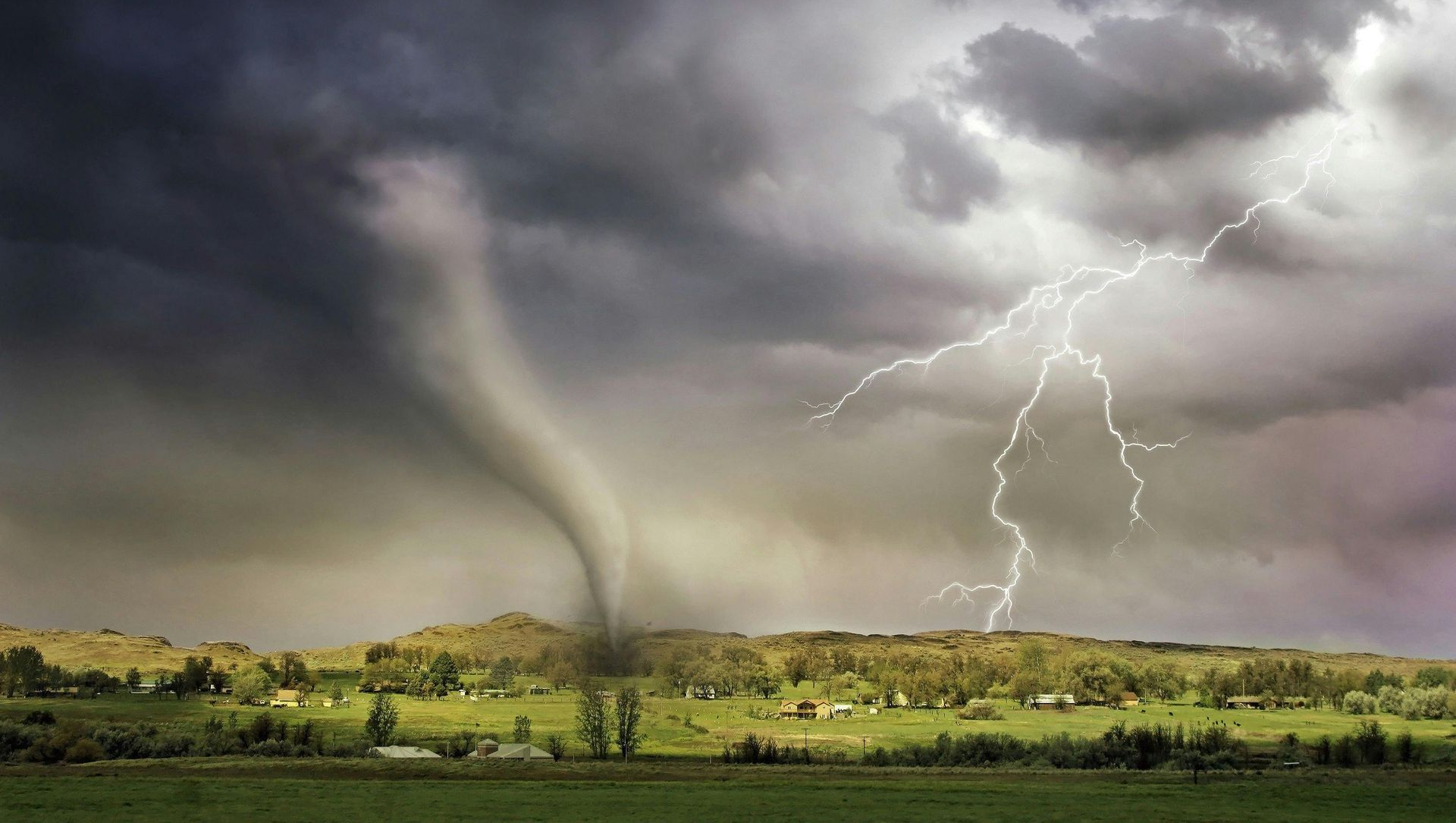
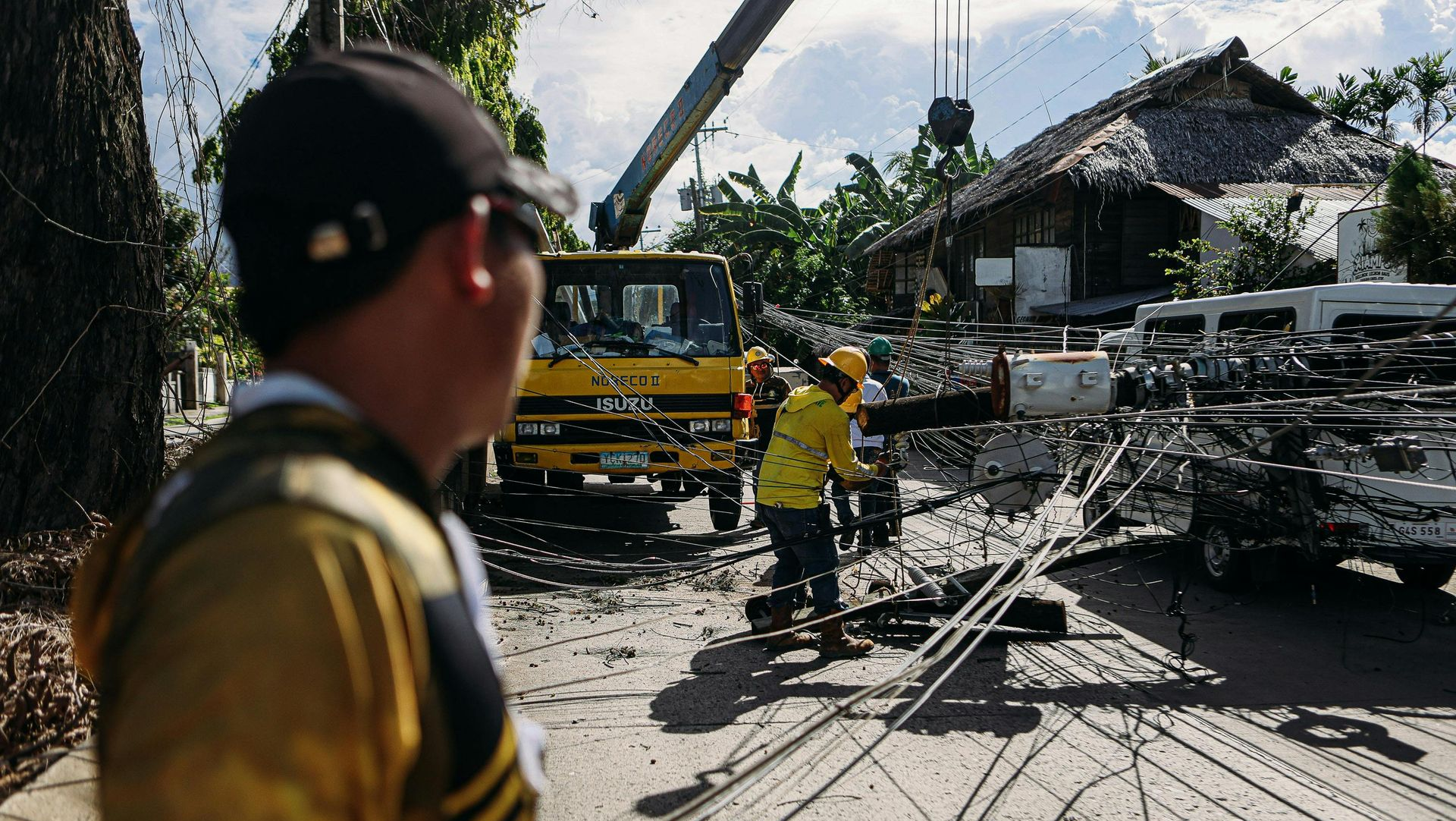
Electrical outages can result from a variety of factors. Storms may damage power lines or transformers. Extreme heat or cold can strain electrical grids. Vehicle accidents and construction incidents can interrupt service without warning. Even internal electrical issues within a home can lead to loss of power or localized outages.
Understanding that
outages are not rare events helps homeowners approach preparation as a practical necessity rather than a remote possibility.
Identifying Critical Electrical Needs
The first step in preparation is identifying which systems and devices are essential. Refrigeration, heating or cooling, medical equipment, lighting, and communication devices often top the list. Knowing which circuits support these needs helps determine how your home should be prepared.
This assessment also reveals whether your existing electrical system can safely support backup solutions or if upgrades are needed beforehand.
Backup Power Planning
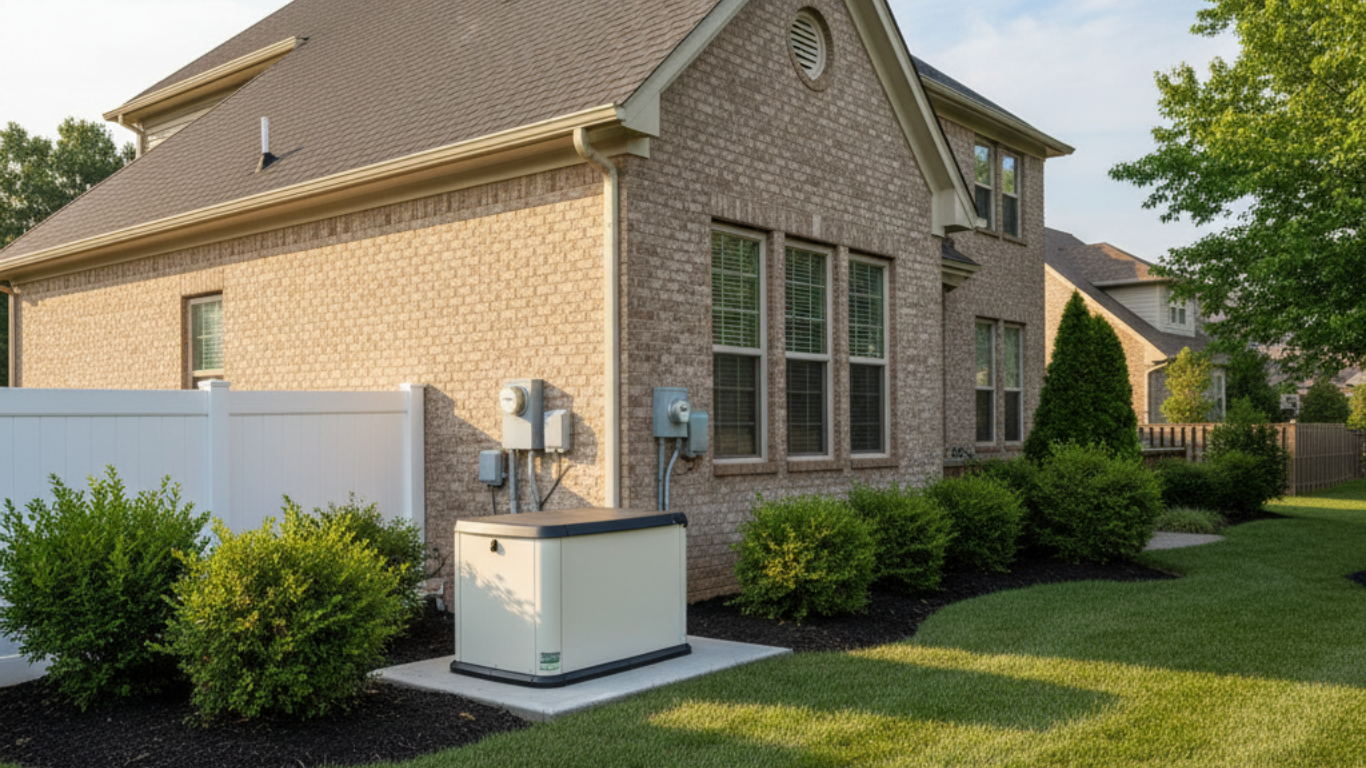
Many homeowners consider portable or standby power options as part of emergency planning. Regardless of the solution, proper electrical integration is critical. Improper connections or unsafe setups can create serious hazards, including fire risks and electrical backfeed that endangers utility workers.
Professional evaluation ensures that backup power options align with your home’s electrical system and local safety requirements. Preparation should always prioritize safety over convenience.
Electrical Panel Readiness
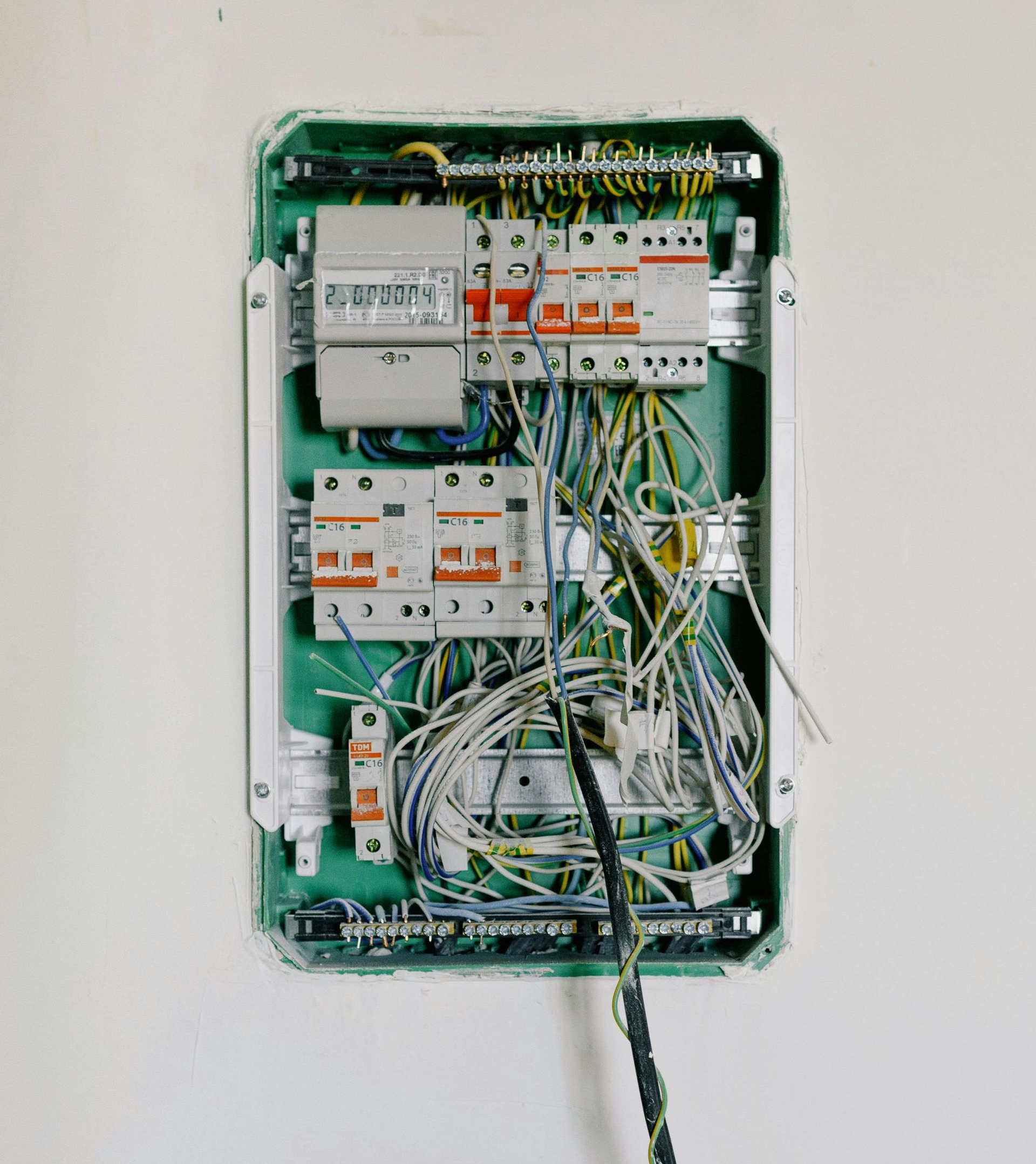
An electrical panel plays a central role during emergencies. Panels that are outdated or overloaded may struggle during power restoration or backup operation. Signs such as frequent breaker trips, overheating, or limited capacity indicate that preparation should begin with panel evaluation.
Ensuring that the panel is properly labeled and organized also supports quicker responses during outages. Clear labeling helps homeowners identify circuits and manage loads safely when power is restored.

Lighting and Visibility During Outages
Loss of lighting is often the most immediate challenge during a power outage. While temporary lighting options can help, planning permanent or strategically placed solutions improves safety. Stairways, exits, and essential work areas should remain navigable even during extended outages.
Exterior lighting considerations also matter. Safe access around the home reduces risk during nighttime outages and supports security.
Protecting Sensitive Electronics
Power restoration can cause voltage fluctuations that damage electronics. Surge protection and thoughtful system design help reduce this risk. Preparing your electrical system to manage these fluctuations protects appliances, communication devices, and control systems.
This preparation is especially important in homes with modern electronics or home office equipment that depends on consistent power quality.
Developing a Household Response Plan
Electrical preparation works best when combined with a clear household plan. Knowing where flashlights are stored, how to safely shut off circuits if needed, and when to call a professional helps everyone respond calmly and effectively.
Clear communication within the household ensures that electrical safety remains a priority during stressful situations.
Preventive Inspections Reduce Emergency Risk
Many electrical emergencies are preventable. Routine inspections help identify aging components, loose connections, or capacity concerns before they escalate into outages or hazards. Preventive attention supports reliability during both normal operation and emergencies.
Inspections also provide an opportunity to discuss preparedness options tailored to the specific layout and needs of the home.

Preparing With Professional Guidance
Electrical emergencies require preparation, not improvisation. Thoughtful planning, system evaluation, and professional guidance help ensure that your home is ready when the unexpected occurs.
At Lunar Electric, we help homeowners prepare their electrical systems with safety and reliability in mind. Preparing ahead of time supports peace of mind, protects property, and helps ensure that when power is interrupted, your home remains as safe and functional as possible.