The Importance of Code Compliance in Residential Electrical Work
Ensuring Every Installation Meets Safety Standards
Electrical systems play a central role in every home, yet they are often overlooked until something stops working or begins to show signs of failure. Behind every switch, outlet, and panel is a network of wiring that must be installed correctly in order to operate safely. At Lunar Electric, we prioritize code compliant work because electrical codes exist to protect homeowners from preventable hazards. When electrical installations or repairs do not meet the standards established by the
National Electrical Code and local jurisdictions, the risks increase significantly. Understanding why code compliance matters can help homeowners make informed choices about the work performed in their homes.

Why Electrical Codes Exist
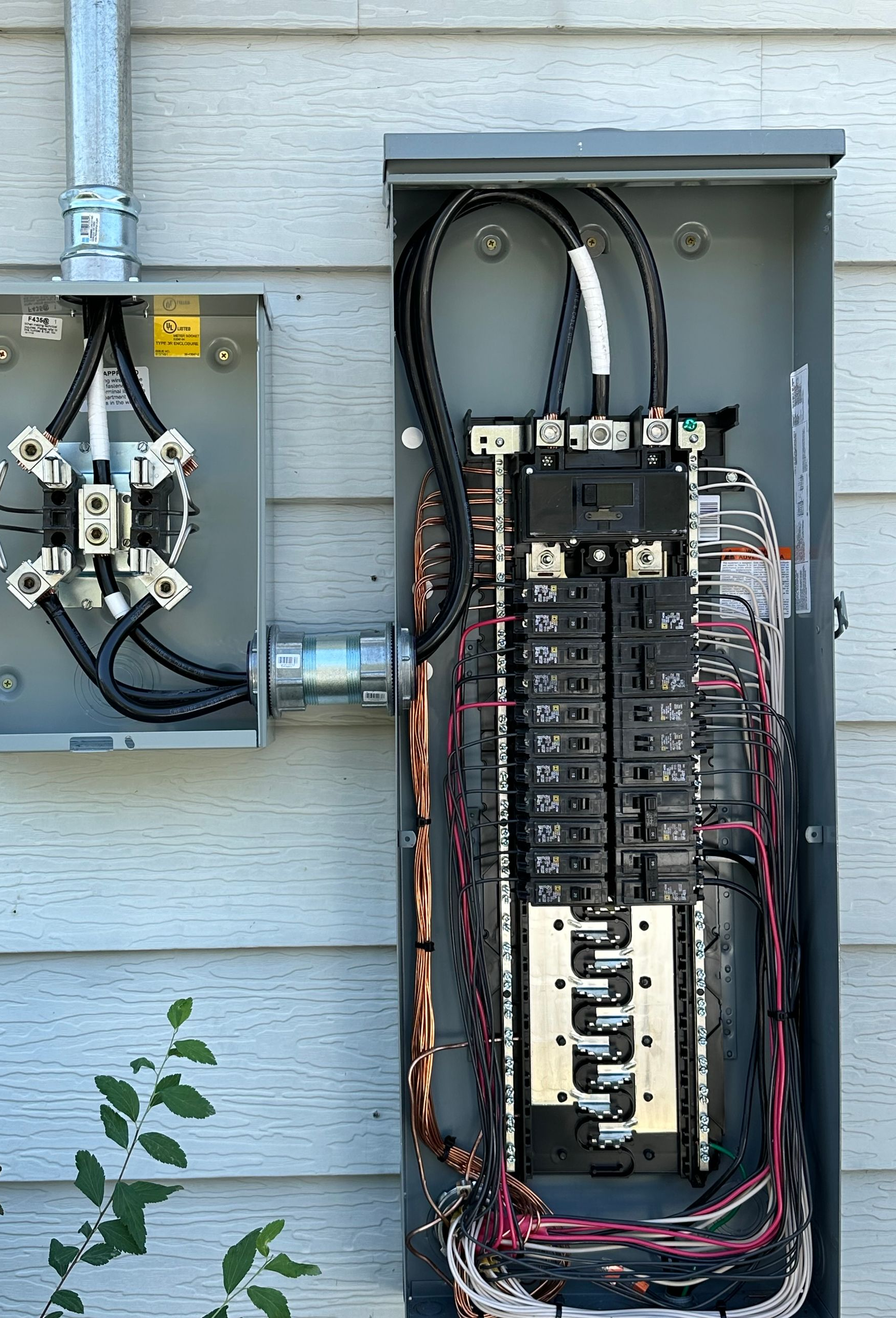
Electrical codes are developed to create a uniform standard of safety. These standards govern how wiring should be installed, how panels must be configured, what types of outlets belong in certain rooms, and how grounding and bonding systems should function. Codes are regularly reviewed and updated in response to new technology, emerging research, and real world electrical failures. Their purpose is to minimize fire hazards, reduce shock risk, and protect property from electrical damage.
When work does not follow code requirements, the electrical system may function temporarily, but it lacks the built in protections that prevent dangerous failures. Homeowners may not see the problems immediately, but hidden hazards can develop behind walls, inside fixtures, and within panels over time.

Reducing the Risk of Fire
Faulty electrical work is a leading cause of residential fires. Incorrect wire sizing, overloaded circuits, unprotected splices, and improper breaker installations are common issues when repairs are performed by unlicensed individuals. Electrical codes exist specifically to eliminate these types of risks.
For example, codes require that circuits be matched correctly to breaker sizes so that wires do not overheat. They require junction boxes for wire connections so that sparks cannot ignite surrounding materials. They also outline specific requirements for outlets in kitchens, bathrooms, laundry rooms, and outdoor areas due to the increased presence of moisture. When these rules are followed, the likelihood of electrical fire decreases significantly.

Preventing Shock Hazards
Shock risks are another reason electrical codes are essential. Grounding and bonding requirements help direct fault current safely away from the body during abnormal electrical events. Codes specify the placement of ground fault circuit interrupters in areas where water and electricity may come into contact. These protective devices shut down power immediately if an unsafe condition occurs.
When unlicensed work bypasses or incorrectly installs these systems, individuals may be exposed to dangerous conditions without any warning.
Code compliance ensures that all protective measures are in place and functioning as intended.
Ensuring Proper Load Management
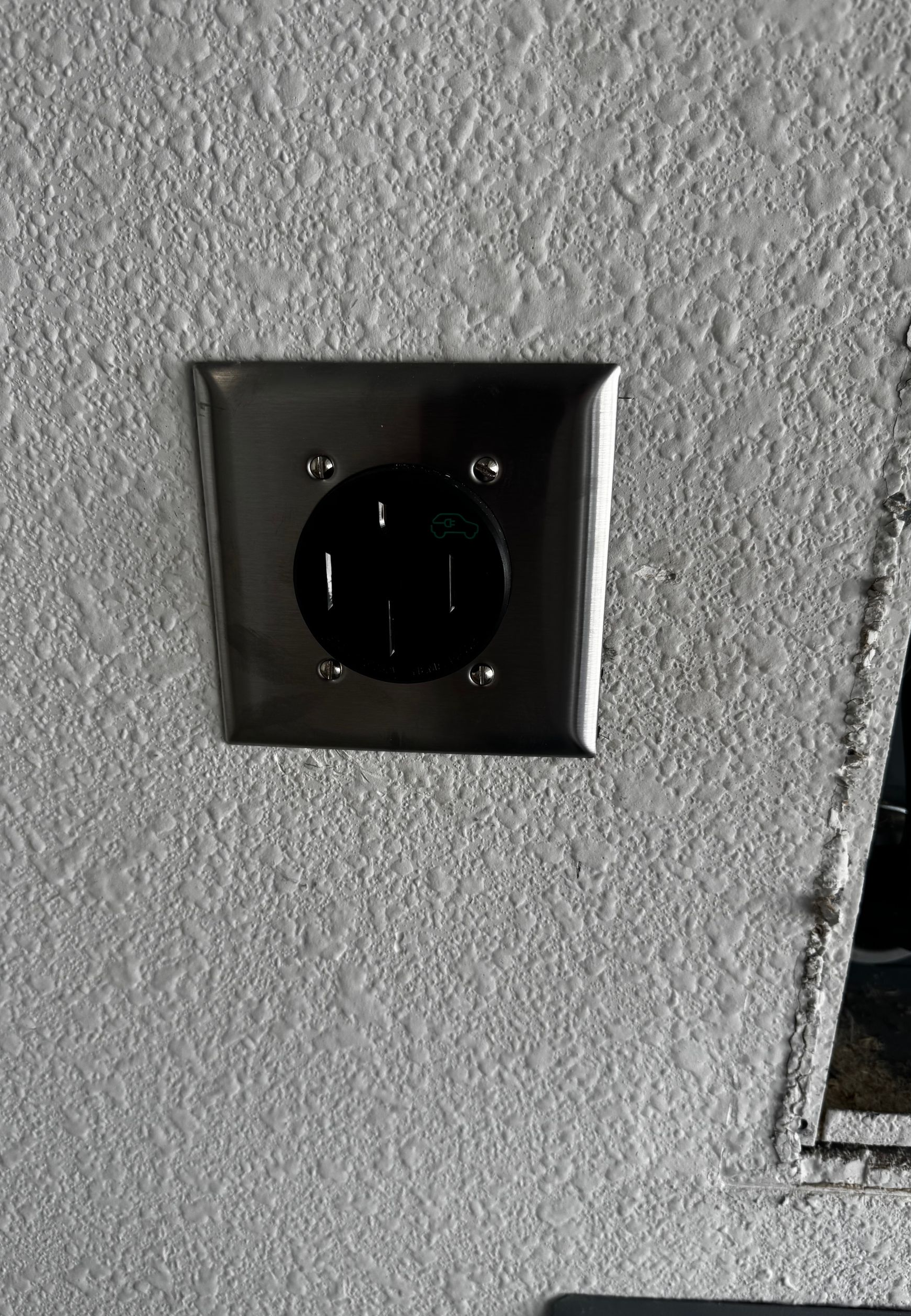
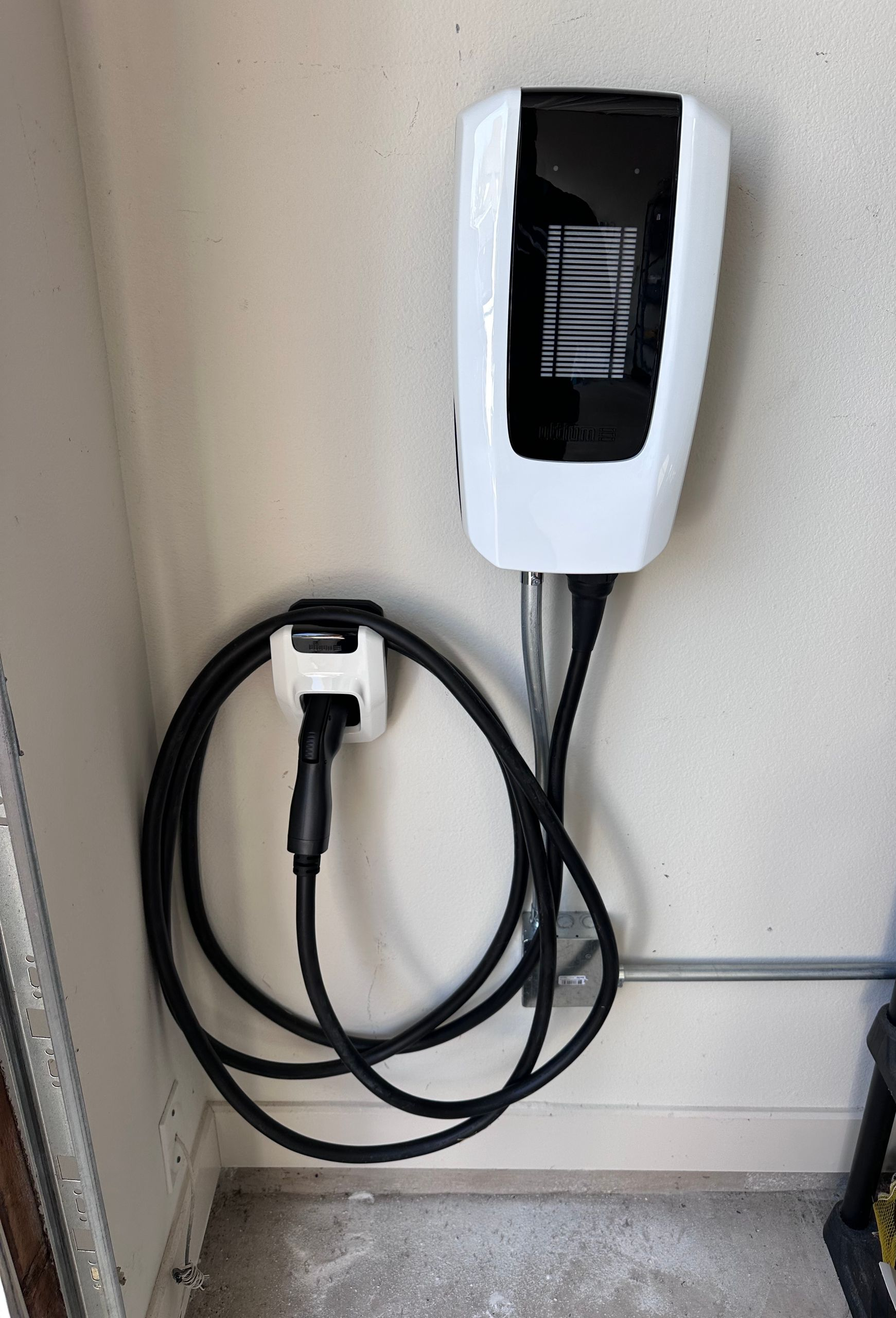
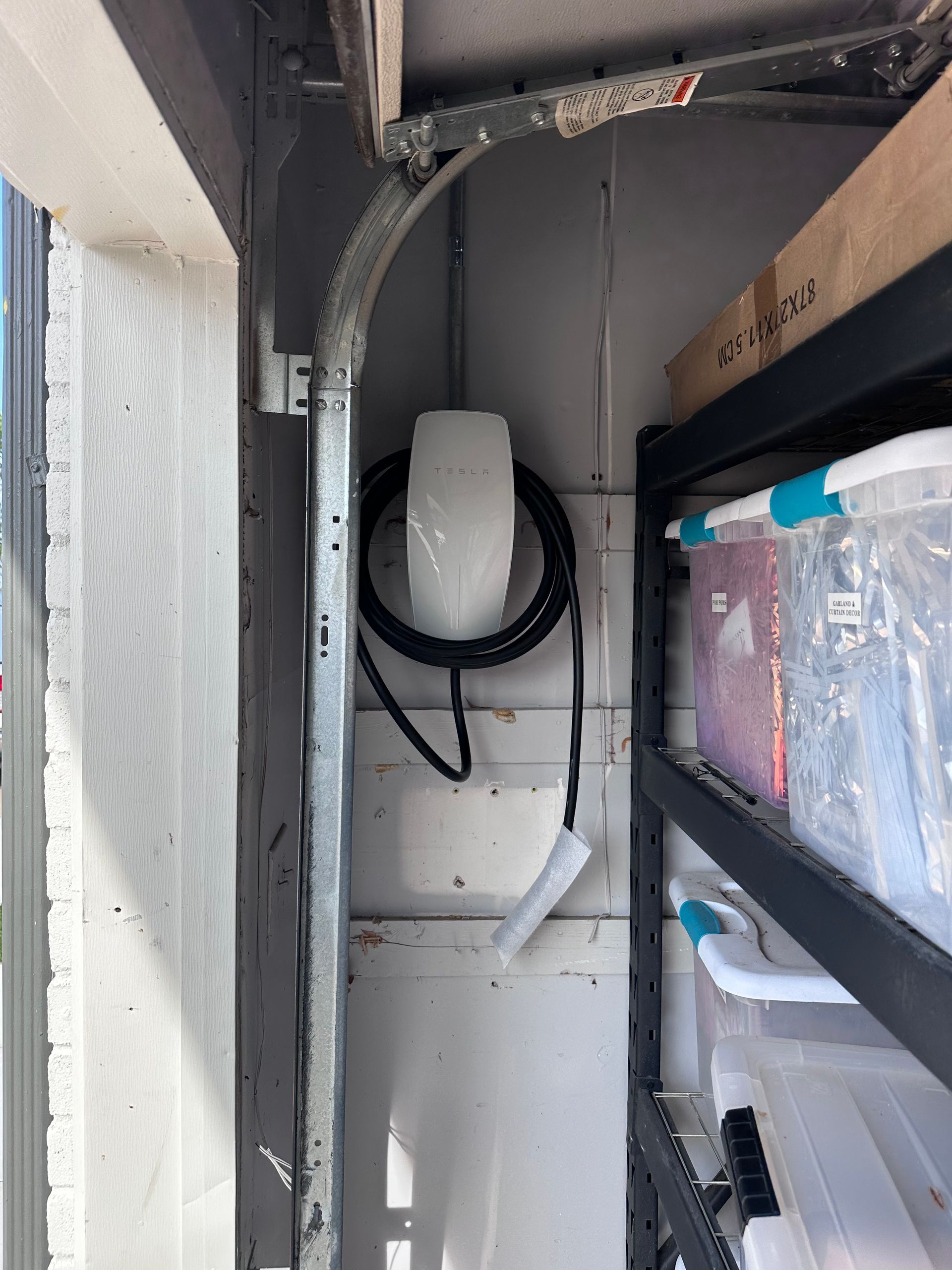
Modern homes contain more electrical devices than ever before. Large appliances, HVAC systems, electric vehicle chargers, computers, and smart home features all demand reliable electrical capacity. Electrical codes help determine how many devices a circuit can support, how panels must be sized, and where dedicated circuits are required.
If a home’s electrical system has been altered without following these guidelines, it may become overloaded. Overloaded circuits frequently trip breakers, stress equipment, and damage wiring. A properly designed system that meets code requirements ensures that each circuit carries a safe and appropriate load.

Protecting Property Value
When a home undergoes renovations or electrical upgrades, inspectors evaluate the work to confirm that it meets local electrical codes. If non compliant work is discovered, homeowners may be required to correct the deficiencies before selling the property. These corrections can become costly, especially if wiring needs to be accessed behind finished surfaces.
Code compliant work protects property value by ensuring that the electrical system meets recognized safety standards. It gives buyers confidence that the home has been properly maintained and reduces the risk of unexpected issues that can disrupt a sale.

Avoiding Insurance and Liability Issues
Insurance companies may deny claims if fires or electrical failures are traced to unlicensed or non compliant installations. Homeowners who attempt to perform electrical work themselves, or who hire unqualified individuals, may unknowingly create liability problems that appear only after damage occurs. Code compliant work performed by licensed electricians provides documentation and assurance that the system meets safety standards.
Building a Safer Home for the Future
Electrical codes ensure that homes remain safe, functional, and prepared for modern electrical needs. By choosing licensed professionals, homeowners protect their investment and reduce the risk of preventable hazards. At Lunar Electric, we are committed to providing work that meets or exceeds code requirements at every level. We believe that electrical safety begins with proper installation, thorough inspections, and a commitment to long term reliability.
If you are planning a renovation or concerned about the condition of your electrical system, we are ready to help you bring your home up to code and ensure that it remains safe for years to come.