Why Electrical Safety Education Helps Homeowners Prevent Everyday Hazards
Empowering Homeowners to Make Safer Electrical Decisions
Electricity supports nearly every part of modern living, yet many homeowners are not fully aware of the potential risks that arise from everyday electrical use. While electrical systems are designed to be safe, hazards can develop when components age, become overloaded, or are used improperly. At our company, we believe that electrical safety education is one of the most effective ways to reduce preventable accidents in the home. When homeowners understand how their electrical systems function and how common issues develop, they are better equipped to make safe decisions, identify early warning signs, and know when to call for professional assistance.
Understanding the Basics of Electrical Load and Capacity
One of the most important topics in electrical safety education is system capacity. Every home has a limit to how much electrical demand it can support safely. When too many devices operate on a single circuit, or when a circuit is not designed to accommodate high demand appliances, the system may overload. This can result in tripped breakers or, in more serious situations, overheating that could lead to electrical damage.
By learning about
load distribution, homeowners become more aware of how everyday actions affect electrical safety. Simple knowledge about which appliances draw the most power, how outlets are grouped, and how circuits are arranged helps homeowners use their systems responsibly. Education also encourages individuals to recognize when certain upgrades, such as additional circuits or panel improvements, may be needed.

Recognizing Warning Signs Before Problems Develop
Electrical hazards often reveal early signs before they become more serious. Flickering lights, frequently tripping breakers, warm outlets, buzzing sounds, and burning odors may indicate issues with wiring or failing components. Homeowners who understand these indicators are more likely to address problems early.
Educational efforts help homeowners learn what these signs mean and why they should not be ignored. When individuals know how to identify symptoms of distress in their electrical systems, they feel more confident in addressing concerns promptly. Early detection may prevent damage and reduce the risk of hazardous situations developing.

Proper Use of Outlets, Extension Cords, and Power Strips
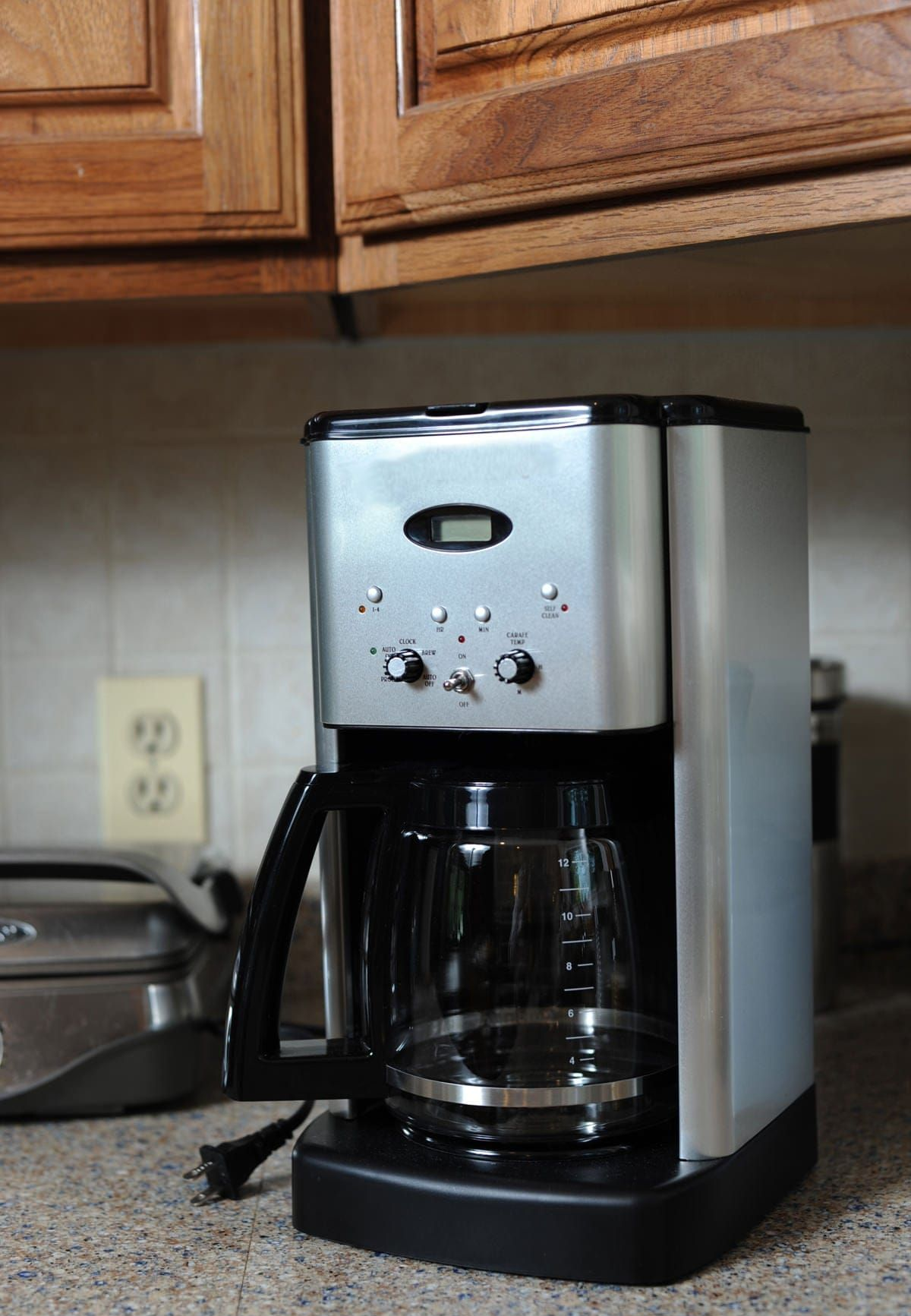
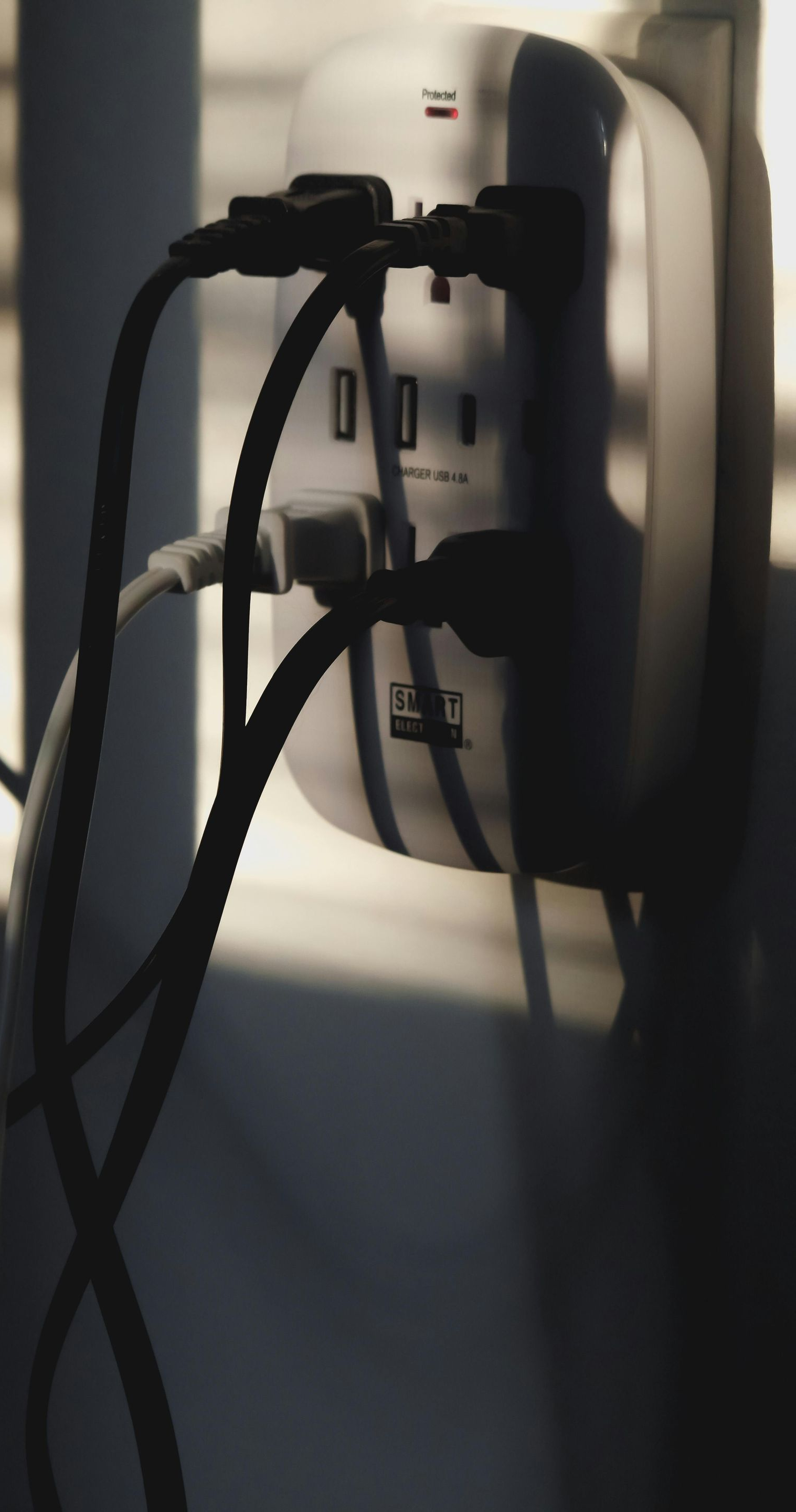
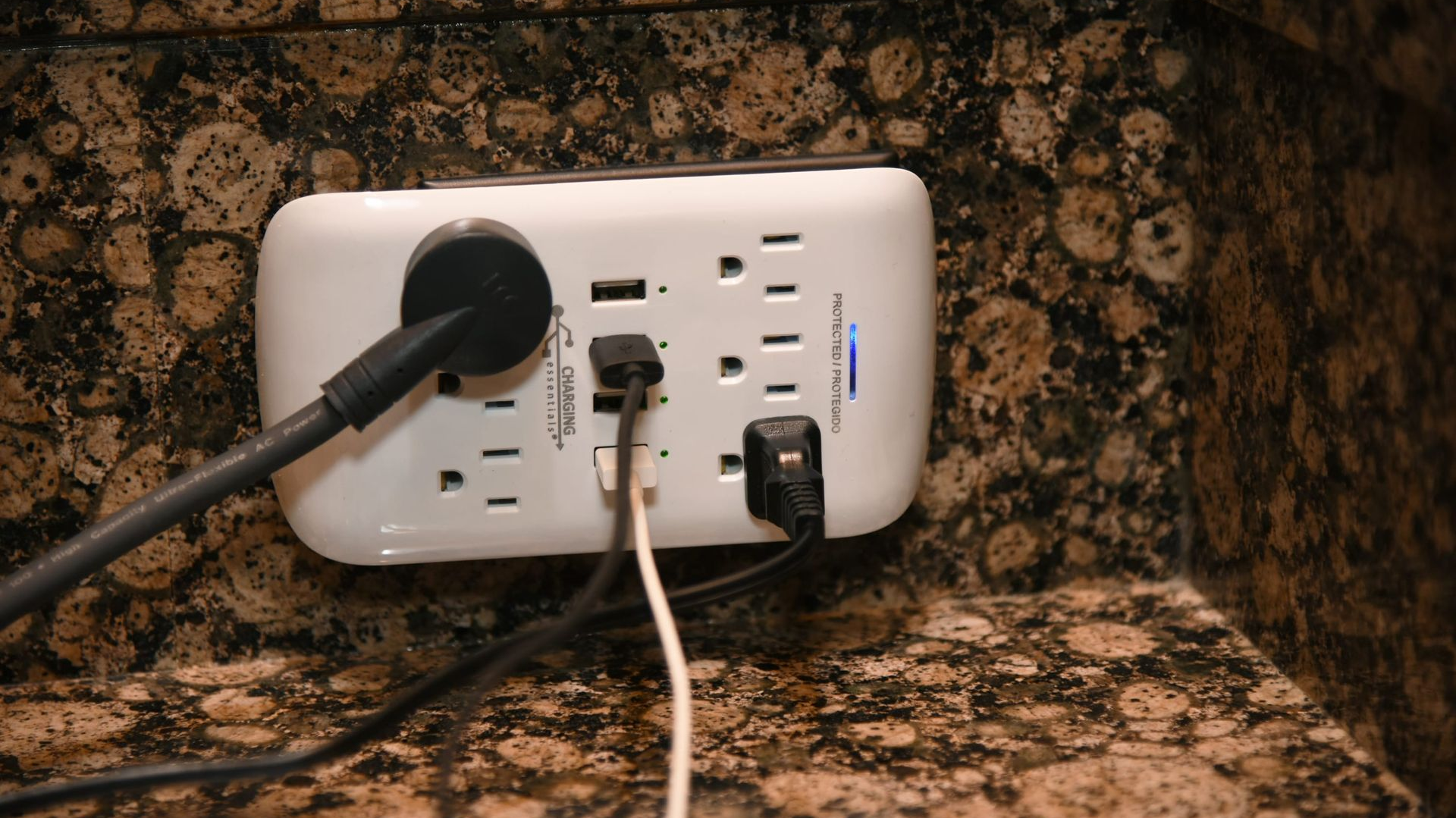
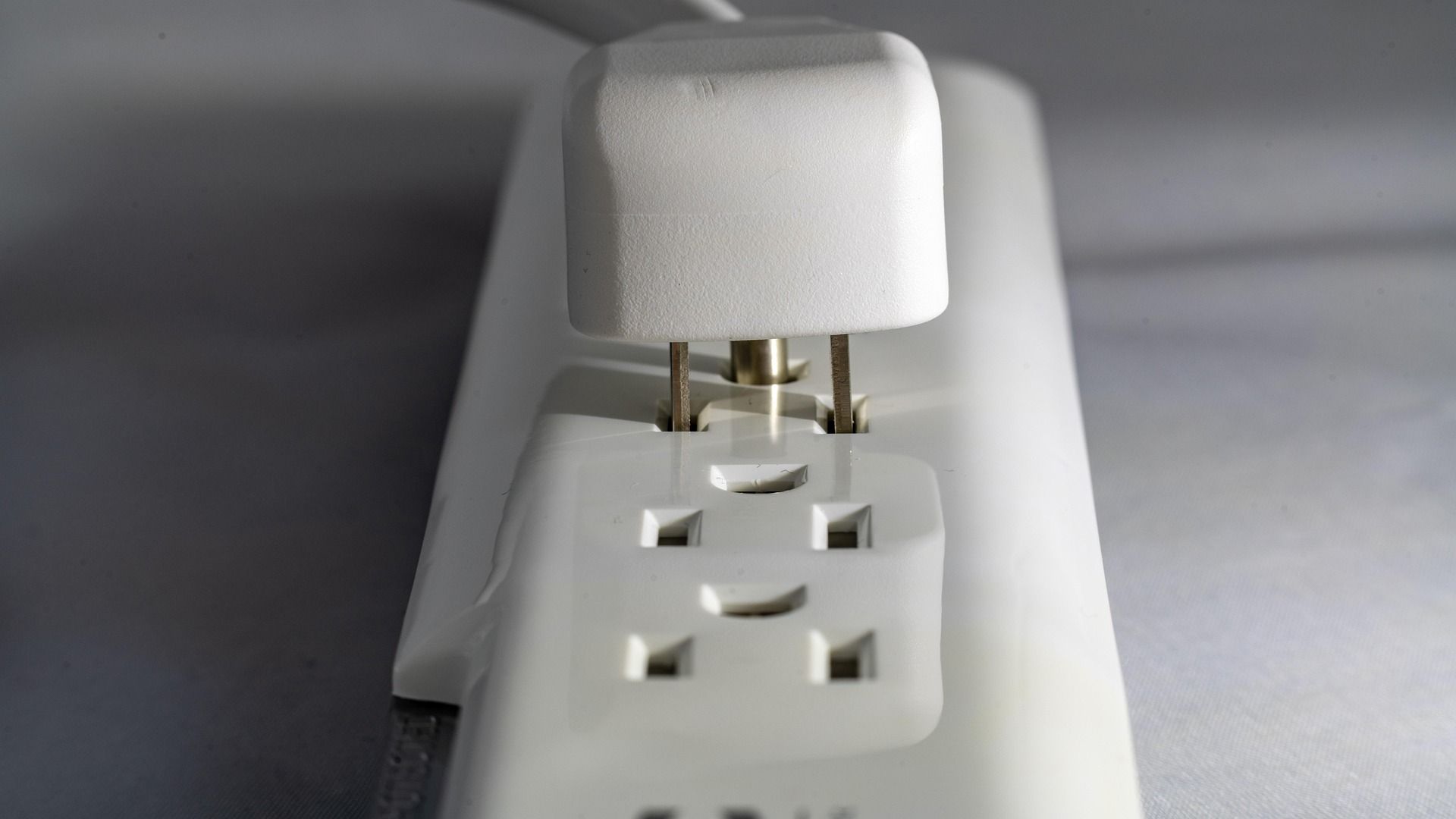
Misuse of cords, outlets, or power strips is one of the most common sources of electrical hazards. Many homeowners unknowingly overload power strips, use damaged cords, or run extension cables under rugs or in high traffic areas. These actions increase the risk of overheating or wire damage.
Through safety education, we help homeowners understand the correct use of cords and power distribution devices. This includes learning when extension cords are acceptable, when they should be avoided, and why certain practices increase risk. Correct usage helps maintain safety for both the home and its occupants.
Knowing Where Protection Devices Are Located
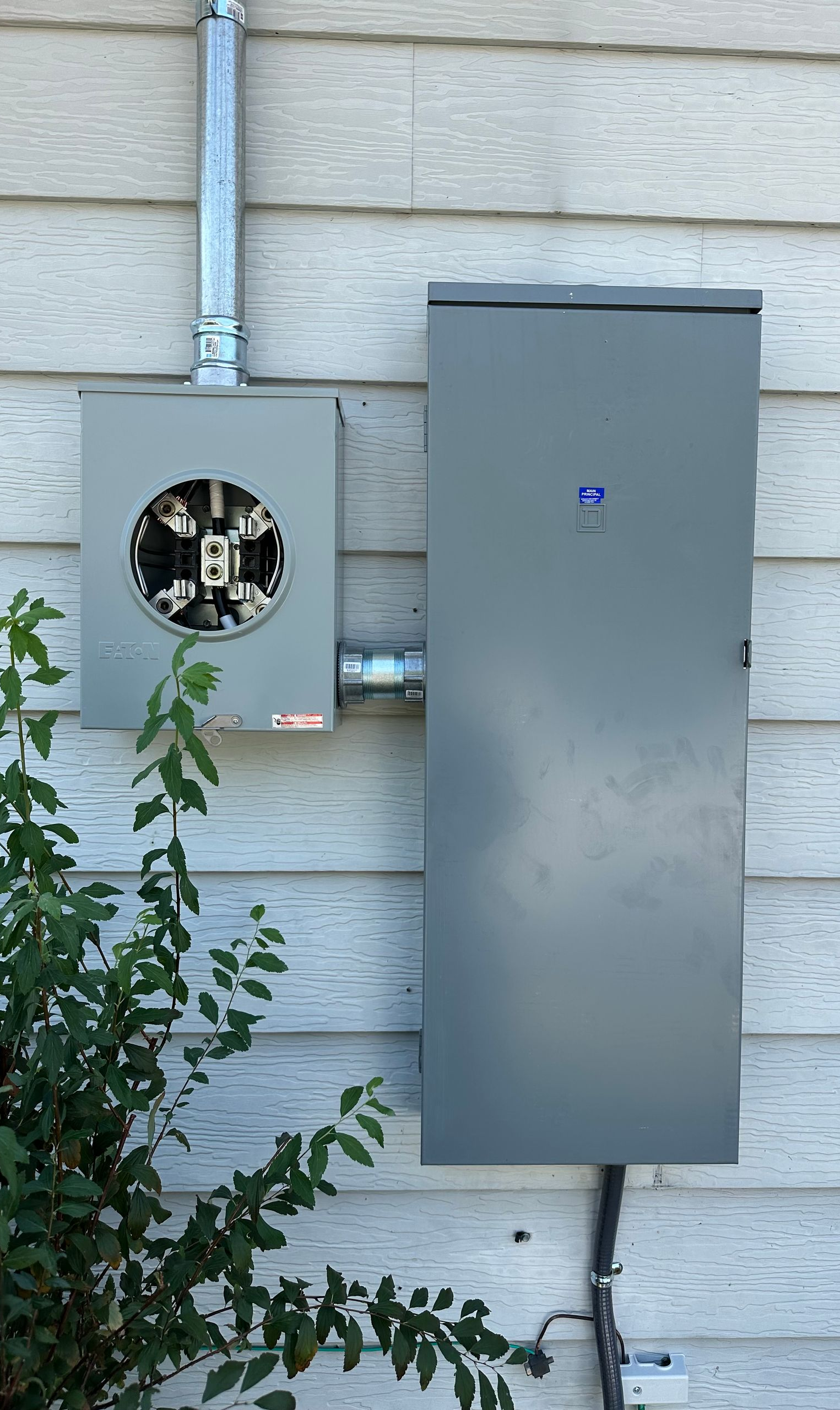
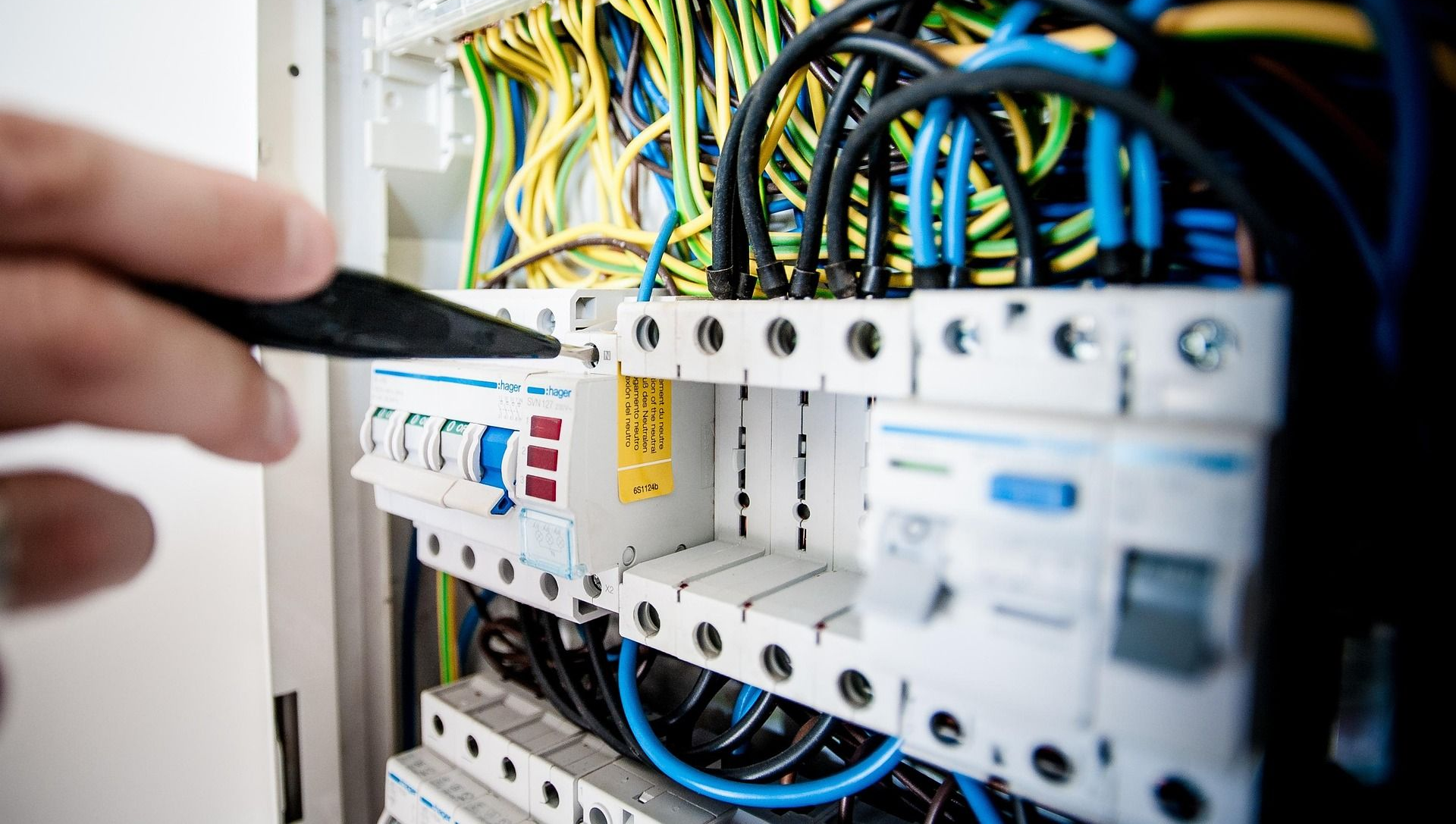
Devices such as circuit breakers, GFCI outlets, and AFCI protection are essential safety features in modern electrical systems. However, many homeowners are not familiar with how these devices work or where they are located. Without basic knowledge of these components, homeowners may overlook important safety responsibilities.
By teaching individuals how to identify and test GFCI outlets, how breakers function, and why AFCI protection matters, we empower them to take simple steps that support ongoing safety. This knowledge encourages routine checks and helps homeowners understand when these devices require professional attention.
Preventing DIY Mistakes Through Better Understanding
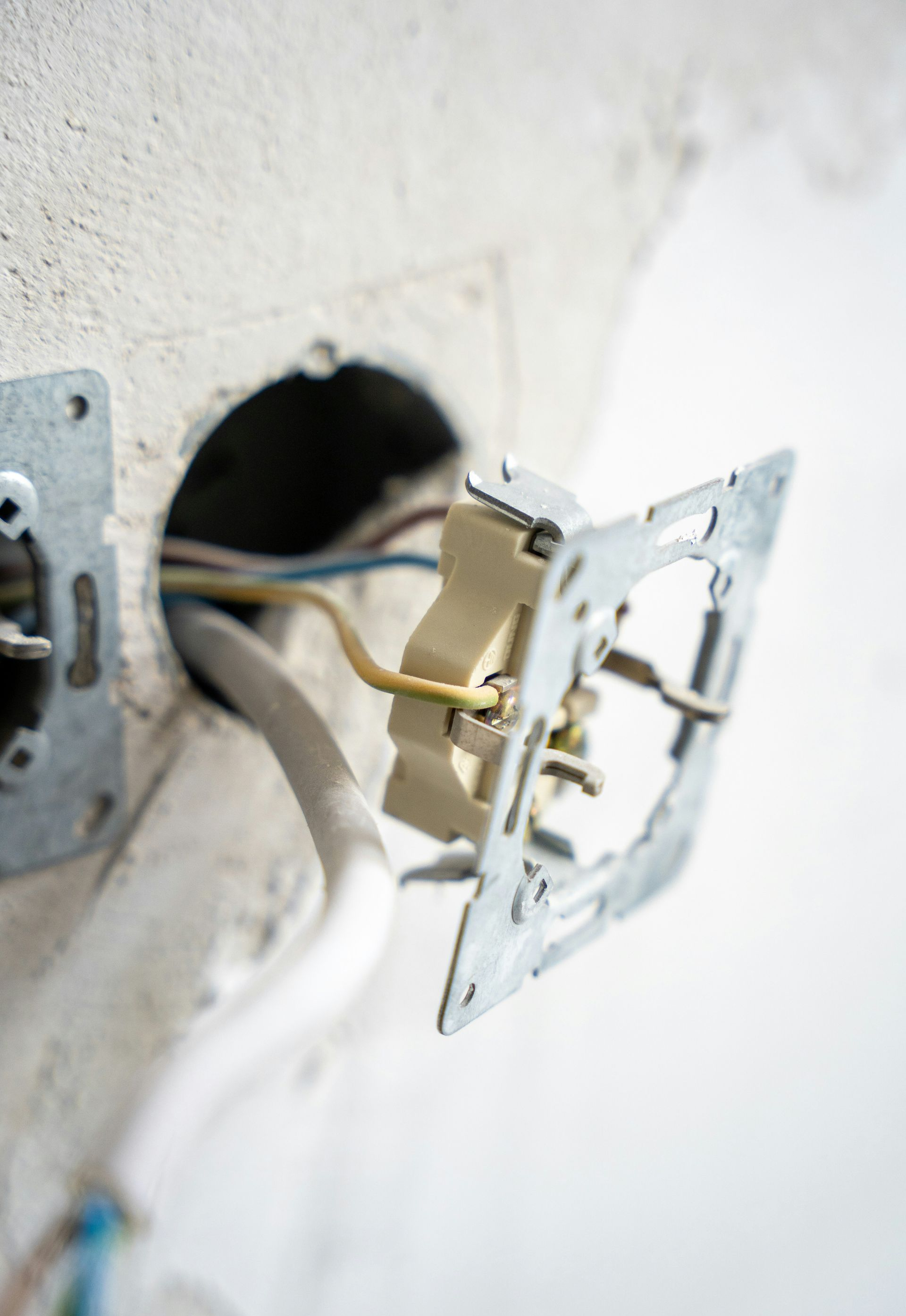
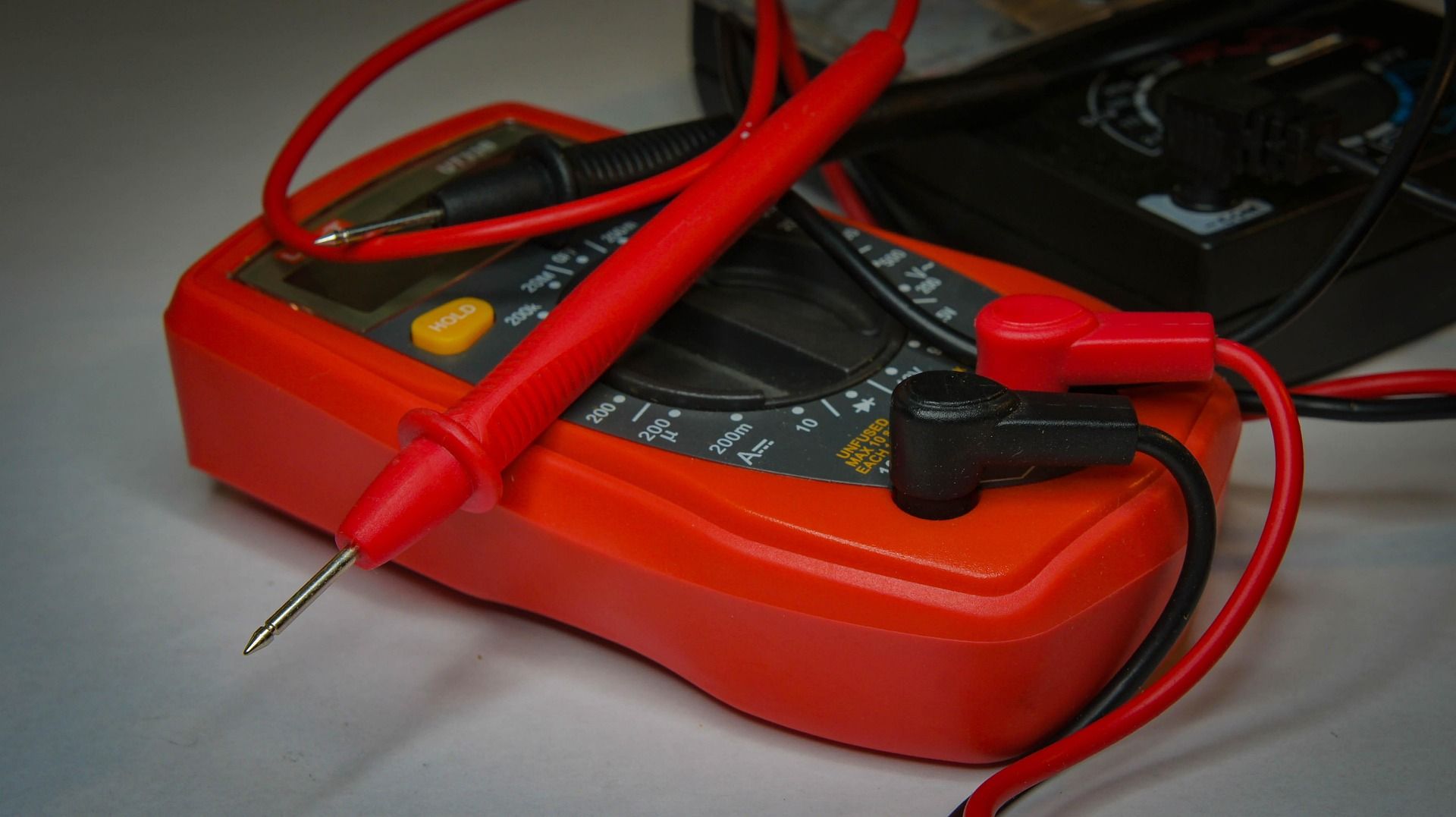
DIY electrical work is one area where safety education makes a meaningful difference. Without proper training, simple mistakes can create significant hazards. Incorrect wiring, improper grounding, and unsecured connections can lead to overheating or electrical malfunction.
Education helps homeowners understand what they can safely handle and what requires licensed expertise. When individuals recognize the limits of DIY tasks, they are more likely to call a professional for complex or high risk work. This results in safer homes and fewer preventable incidents.
Building Confidence Through Knowledge
Electrical safety education is not about creating worry. It is about giving homeowners the knowledge they need to support a safe and functional home. When individuals understand how their electrical system operates and how everyday habits affect it, they can make informed decisions that protect their property and their families. At our company, we remain committed to helping homeowners build confidence through clear, practical guidance and reliable professional service.
A Safer Home Starts With Awareness
Knowledge plays a central role in preventing electrical hazards. By learning the basics of capacity, recognizing warning signs, using outlets responsibly, and understanding key safety devices, homeowners can support a safer environment every day. Our goal is to provide the information and expertise needed to help individuals maintain electrical systems that are both reliable and safe, so their homes remain comfortable, functional, and protected.