How Homeowners Can Benefit From Adding Dedicated Circuits for High Demand Appliances
Modern Appliances Need Modern Power
As modern households continue to rely on increasingly powerful electrical devices, many homes no longer have the capacity to support all appliances safely on standard circuits. High demand appliances place significant strain on electrical systems, and when they share circuits with other devices, problems may arise. Dedicated circuits provide a safer and more reliable solution by ensuring that major appliances receive the power they need without competing with other electrical loads. At Lunar Electric, we help homeowners strengthen their electrical systems by installing dedicated circuits designed to support today’s technology and prevent avoidable hazards.

Why Certain Appliances Require Dedicated Circuits
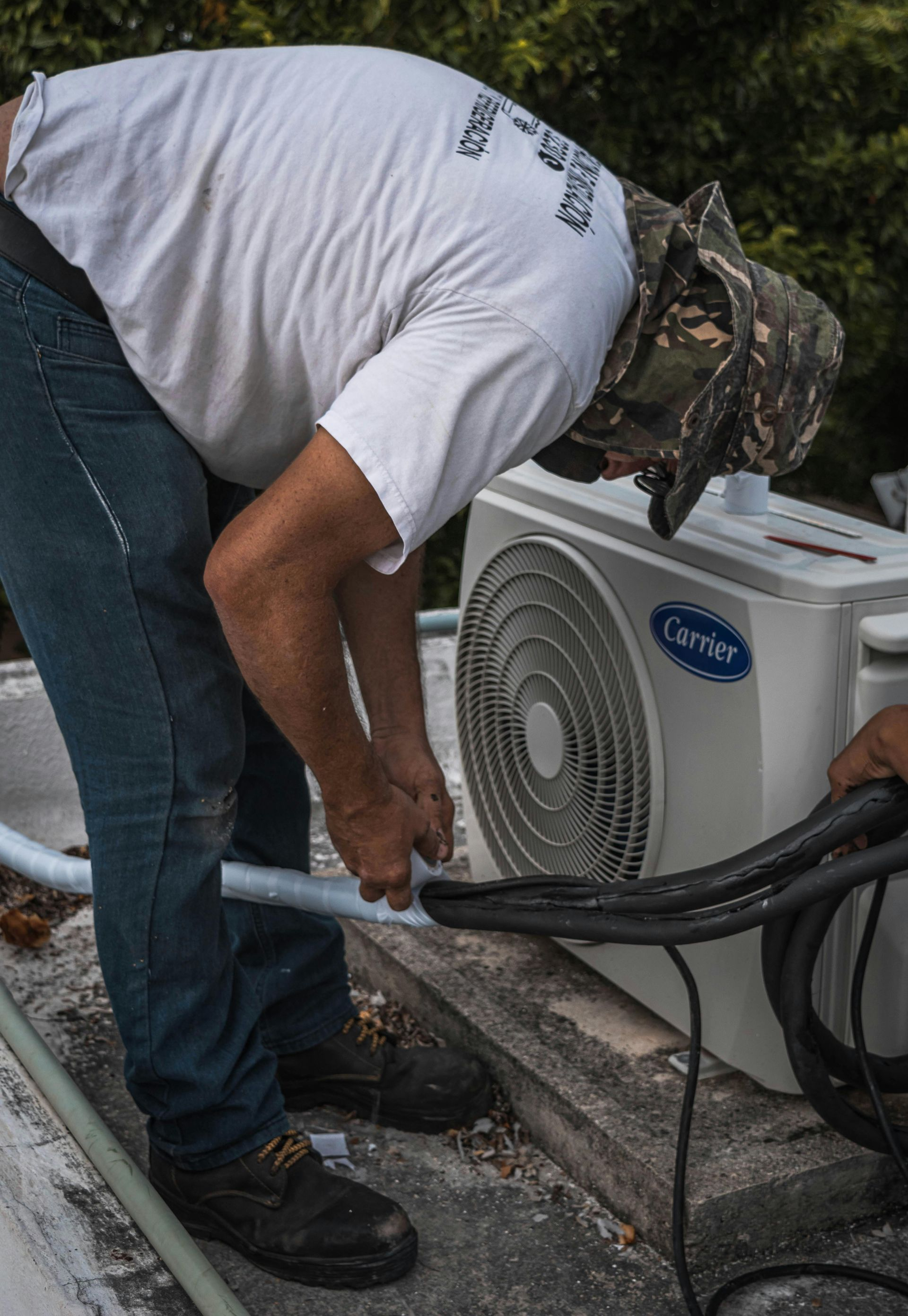
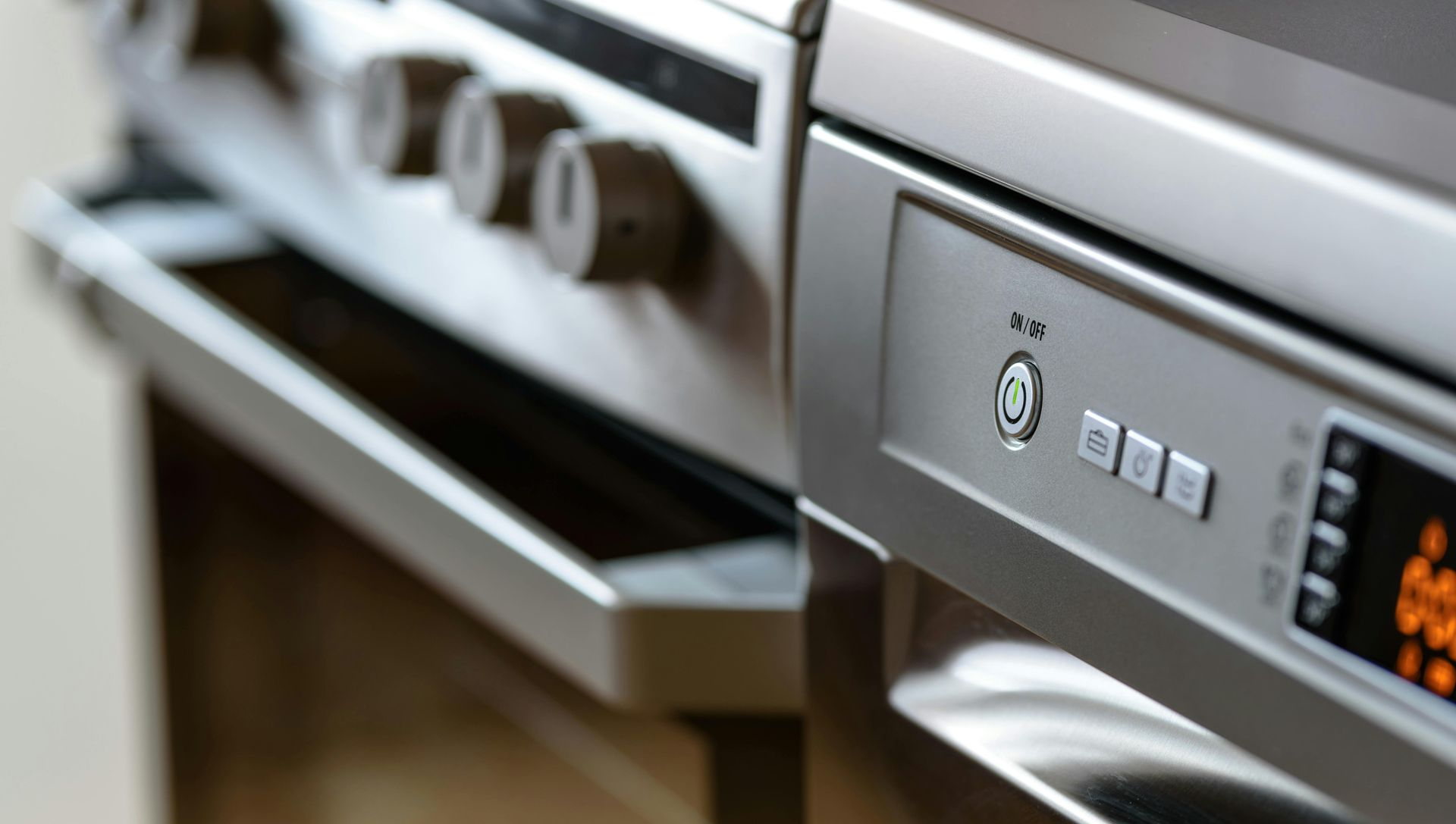
A dedicated circuit is a single circuit that serves only one appliance. Its sole purpose is to provide consistent power without sharing capacity with other devices. High demand appliances such as air conditioners, electric dryers, ovens, microwaves, space heaters, water heaters, and garage equipment typically draw more electricity than a standard circuit can support. When these appliances share circuits, the system may overload. This can lead to tripped breakers, overheating, or in extreme cases, electrical damage.
Many of these appliances are essential to daily living, and interruptions in their performance can be inconvenient or costly. By installing dedicated circuits, homeowners ensure that these devices operate effectively and safely.
Reducing the Risk of Overloaded Circuits
Overloaded circuits are one of the most common electrical issues in homes. When too many appliances draw power from a single circuit, the breaker trips to prevent potential hazards. While this safety mechanism is essential, frequent tripping signals that the electrical system is under strain. Homeowners may experience flickering lights, reduced appliance performance, or outlets that feel warm to the touch.
Dedicated circuits help eliminate these problems by isolating high demand appliances. With their own circuit, these appliances do not compete with other devices, reducing the likelihood of overloads. This creates a more stable electrical environment and reduces the risk of damage to both the appliances and the home’s wiring.
Improving Appliance Performance and Longevity
Appliances that receive insufficient or inconsistent power may not perform correctly. For example, an air conditioner may struggle to cool efficiently, or a microwave may take longer to heat food. These performance issues often occur because the appliance is sharing a circuit that cannot meet its needs.
By installing dedicated circuits, homeowners provide a steady and appropriate power supply. This consistent flow improves performance and may help extend the lifespan of the appliance. Appliances that do not experience electrical stress are less likely to suffer internal damage or premature failure. This contributes to fewer repairs and improved long term value.
Enhancing Safety Throughout the Home
Electrical safety is one of the most important reasons to consider dedicated circuits. High demand appliances generate heat and require significant power. When wiring is not equipped to handle the load, the risk of overheating increases. Over time, this may lead to damaged wiring insulation or electrical faults. Dedicated circuits ensure that wiring is appropriately sized for the appliance it supports.
Safety is further improved by reducing reliance on extension cords or power strips, which are not intended to handle the continuous load of large appliances. By installing proper circuits directly from the electrical panel, homeowners create safer operating conditions and minimize avoidable hazards.
Supporting Home Renovations and Lifestyle Changes
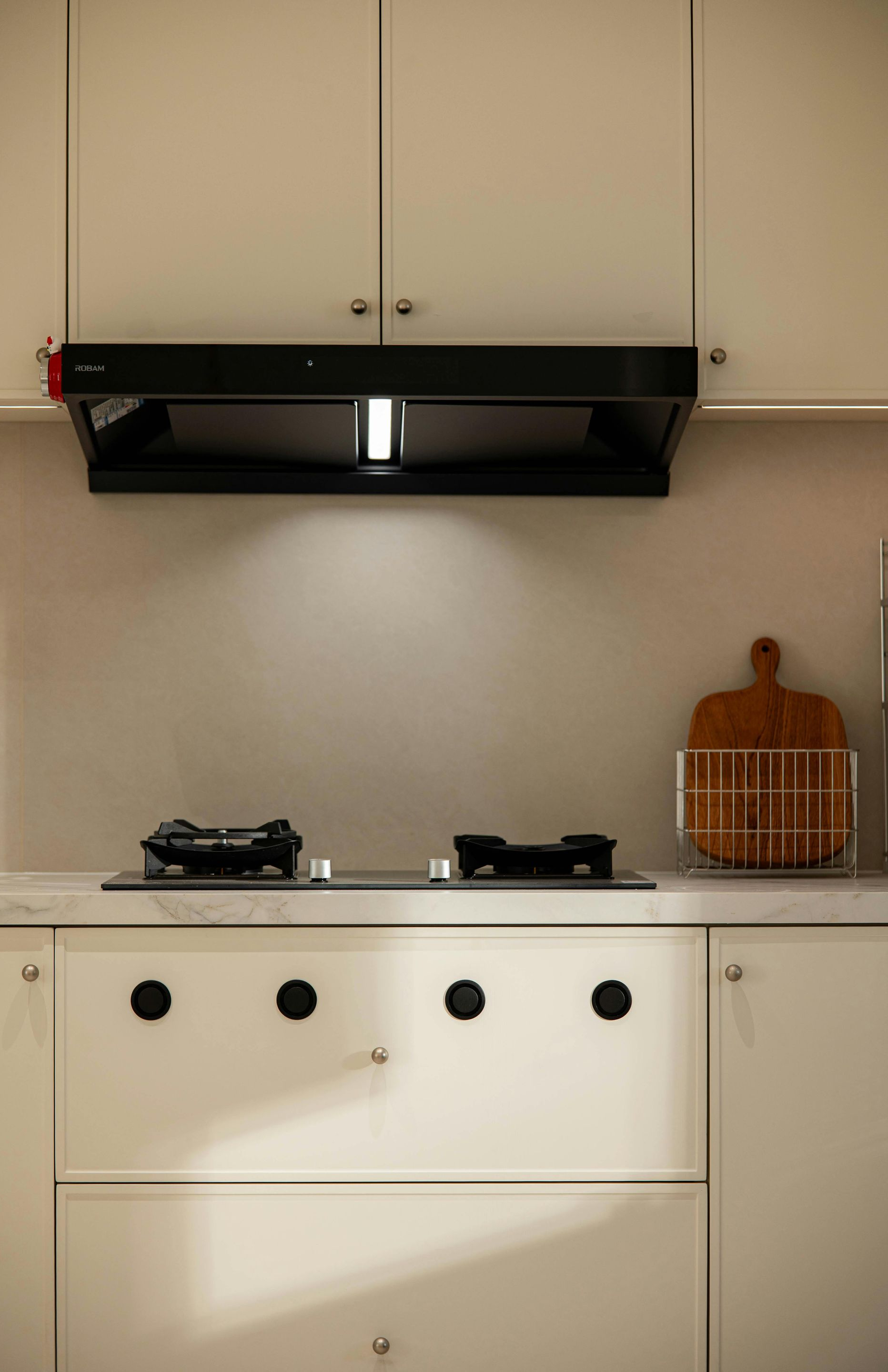
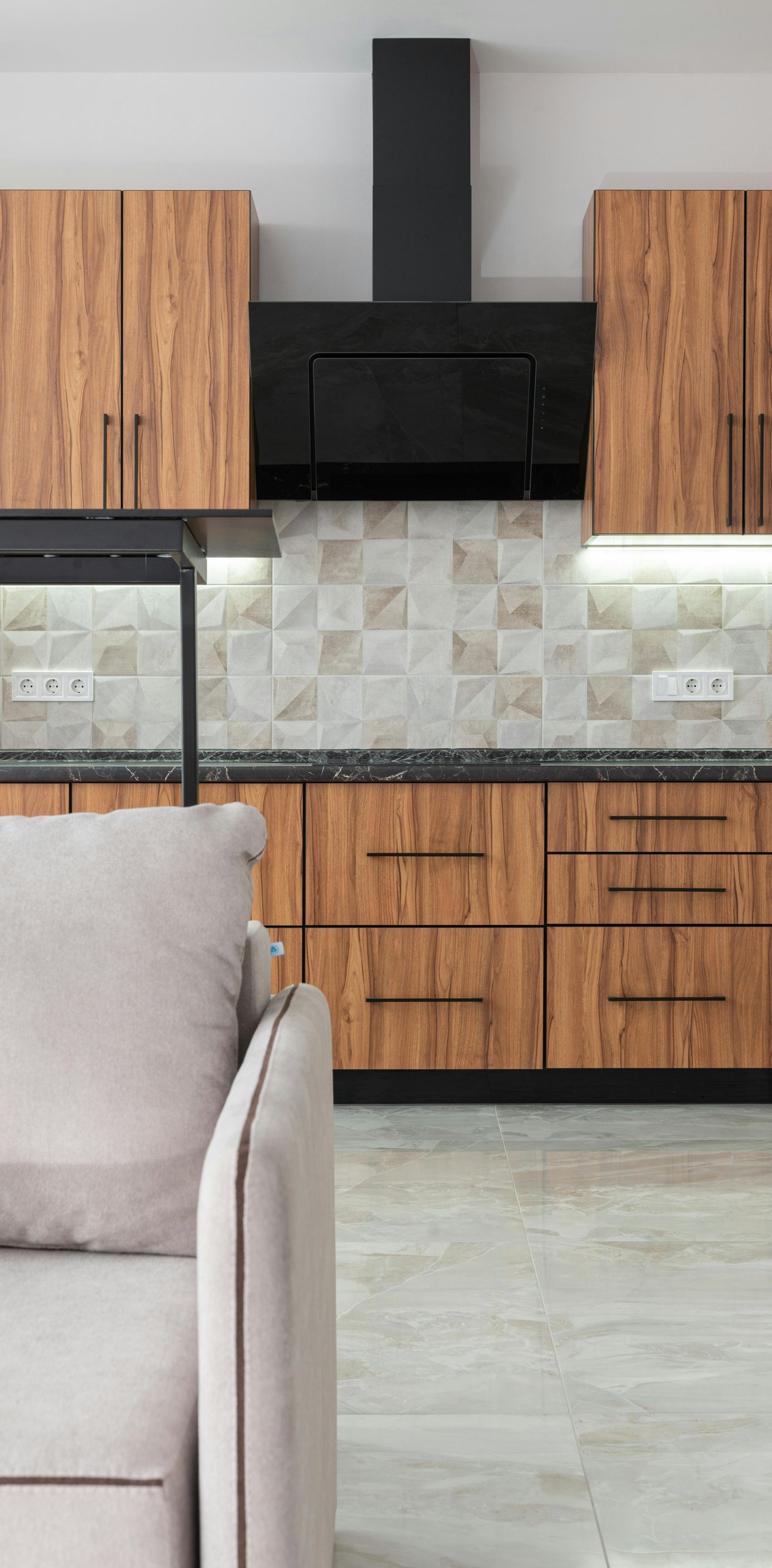
As homeowners upgrade their living spaces, they often add new appliances or equipment. Home offices, workshops, fitness rooms, and remodeled kitchens frequently include devices that draw substantial power. Without dedicated circuits, these additions may strain the existing electrical system.
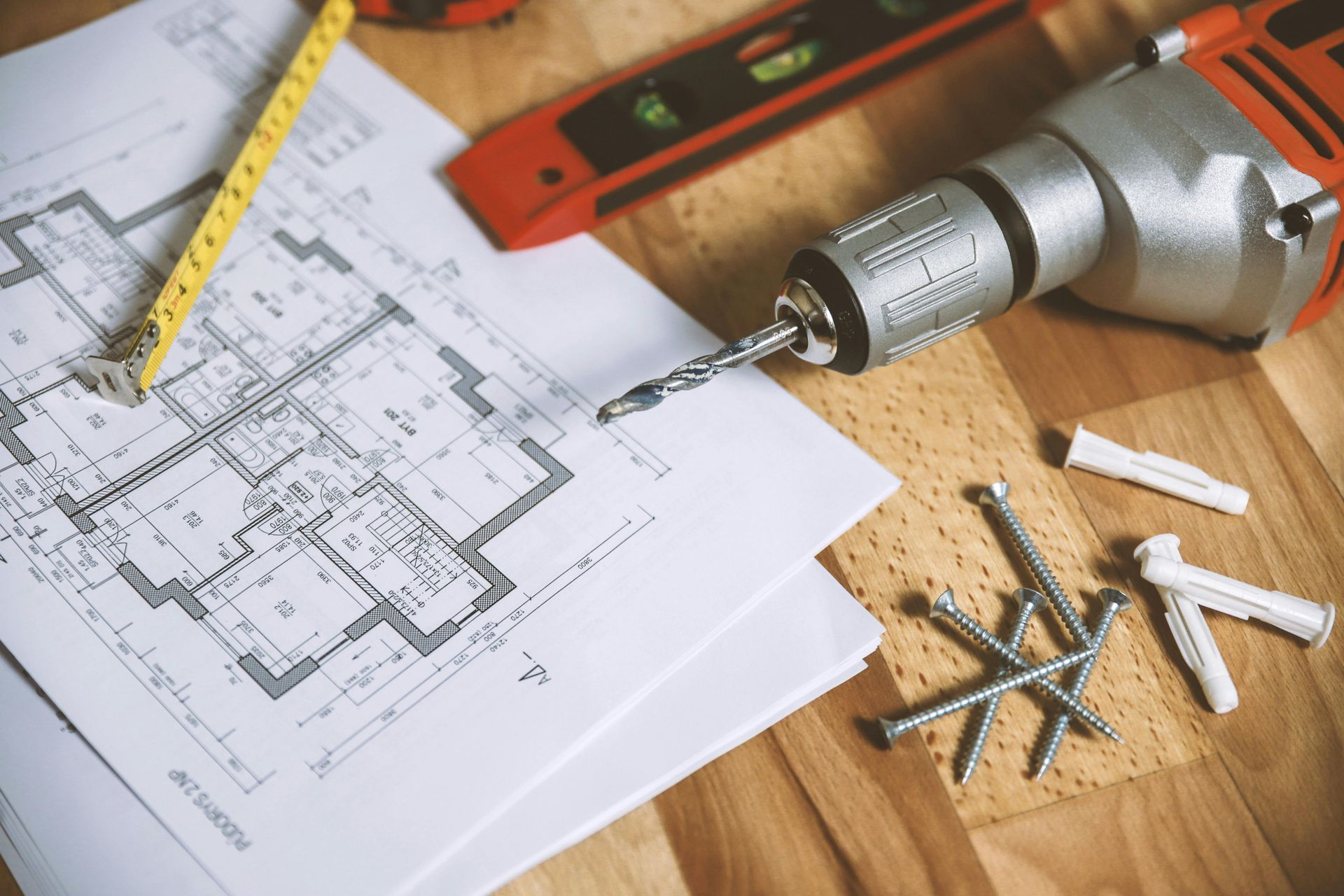
We help homeowners evaluate their electrical needs during renovations and identify which new devices require dedicated circuits. This planning ensures that new appliances operate safely and that the home remains compliant with
electrical codes. Dedicated circuits also support modern living by accommodating technologies that were not common when older homes were built.

Preparing the Home for Future Demand
Electrical needs continue to evolve, and homeowners benefit from preparing for future demand. Adding dedicated circuits improves a home’s overall electrical capacity and creates flexibility for future upgrades. Whether a homeowner installs new equipment, purchases energy intensive appliances, or adds entertainment or workshop areas, dedicated circuits provide a reliable foundation for these enhancements.
Building a Safer and More Capable Electrical System
Dedicated circuits offer safety, reliability, and improved performance for high demand appliances. By reducing electrical strain, supporting efficient operation, and protecting the home from potential hazards, they form a crucial part of a modern electrical system. At Lunar Electric, we help homeowners assess their electrical needs and install dedicated circuits that support both current requirements and future aspirations. Thoughtful electrical planning creates a safer and more comfortable home environment for years to come.